The Family Atlas |
| Processing Status: | ||
| 93 / 95 | 98% | |
| Size of Species: 1.3 - 18.0 mm |
| Tarsal Formula: 5-5-5 |
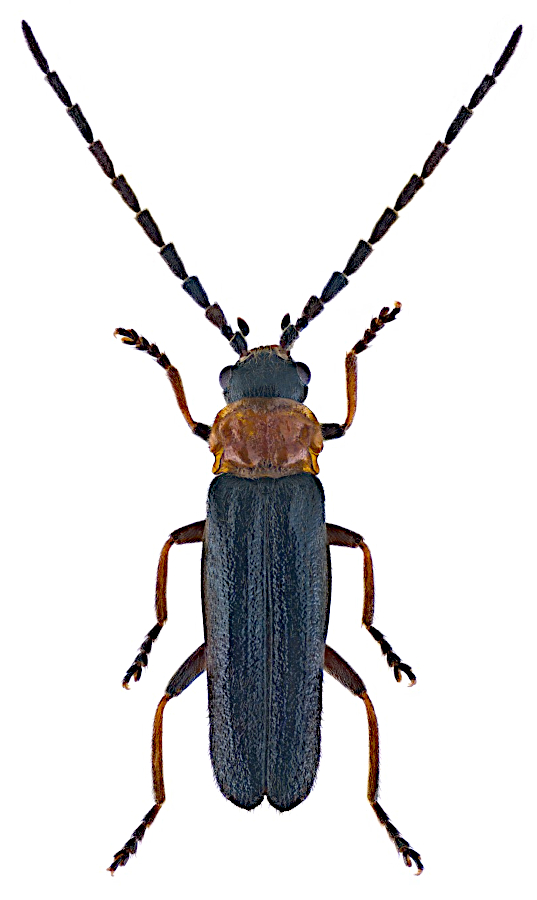
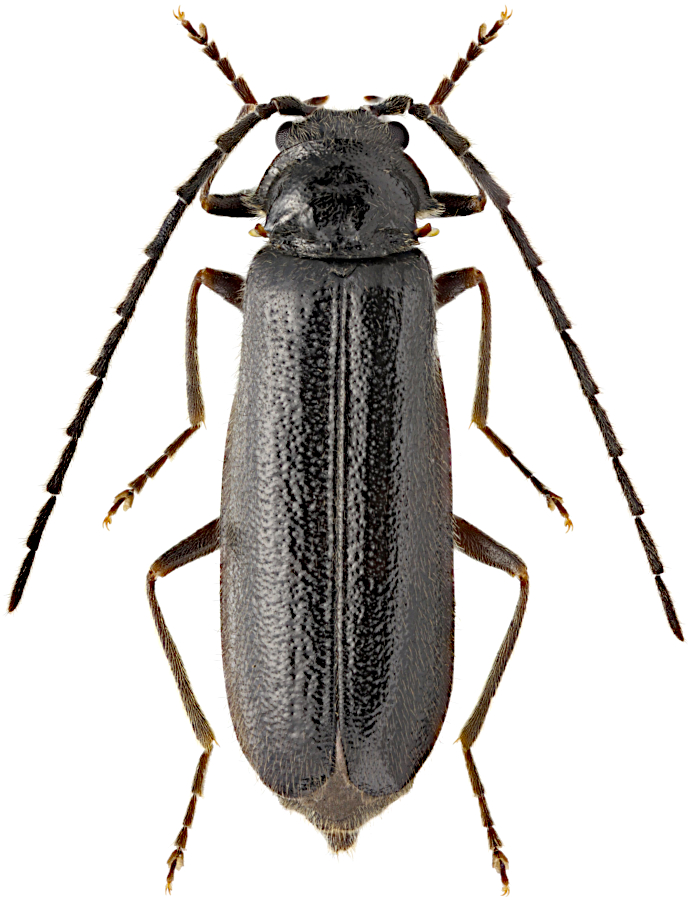
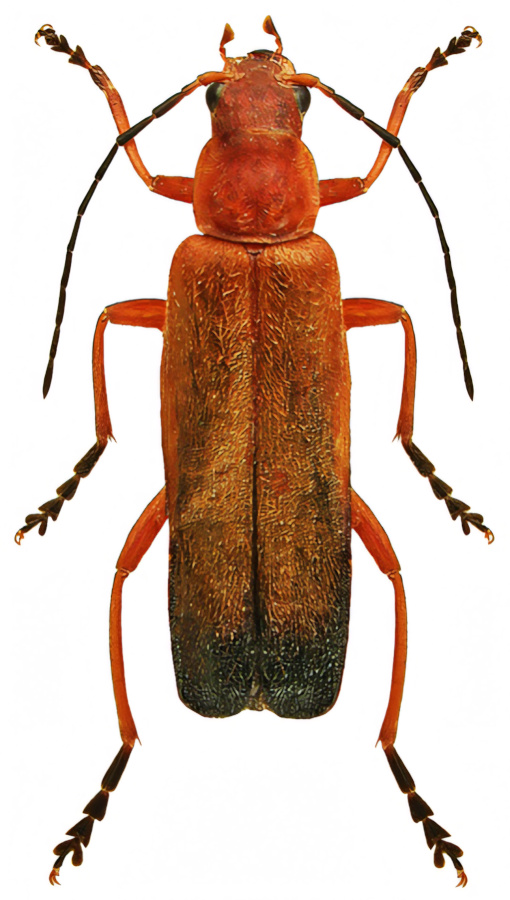
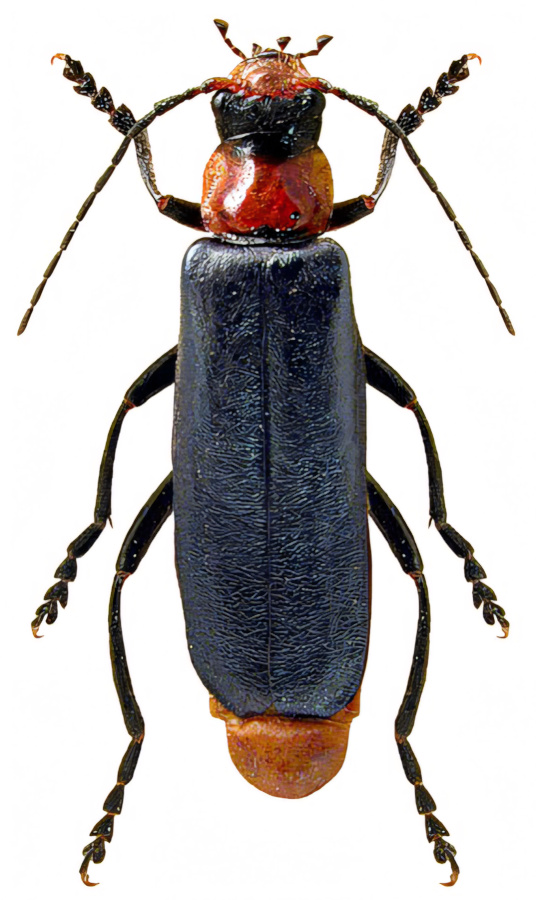
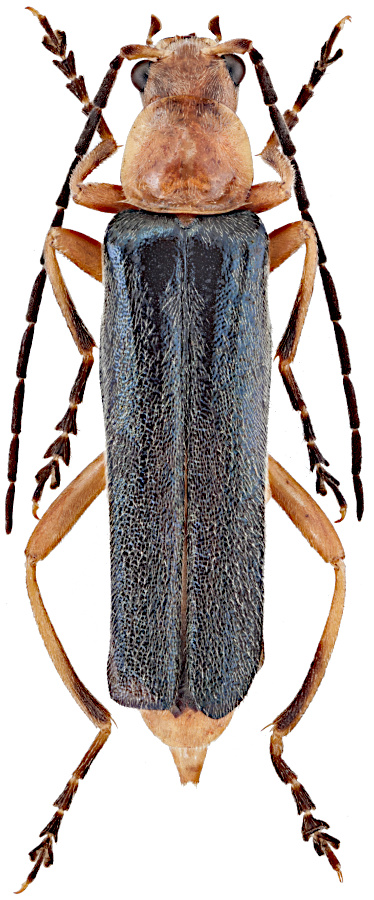
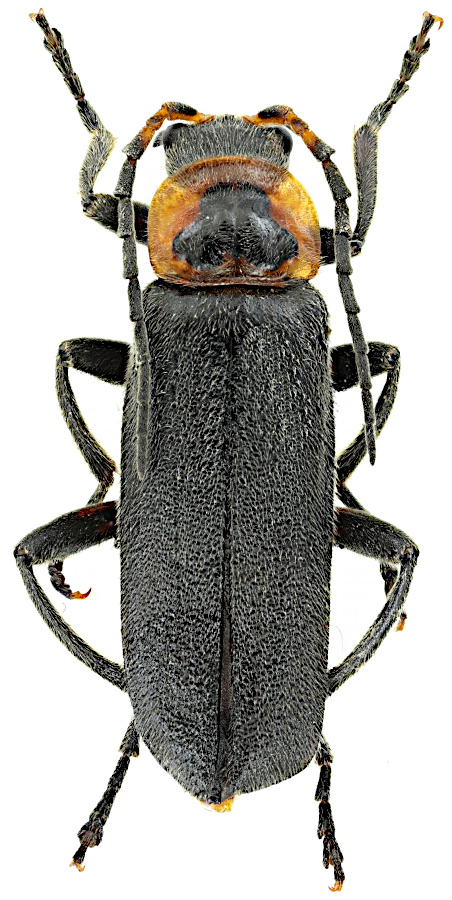
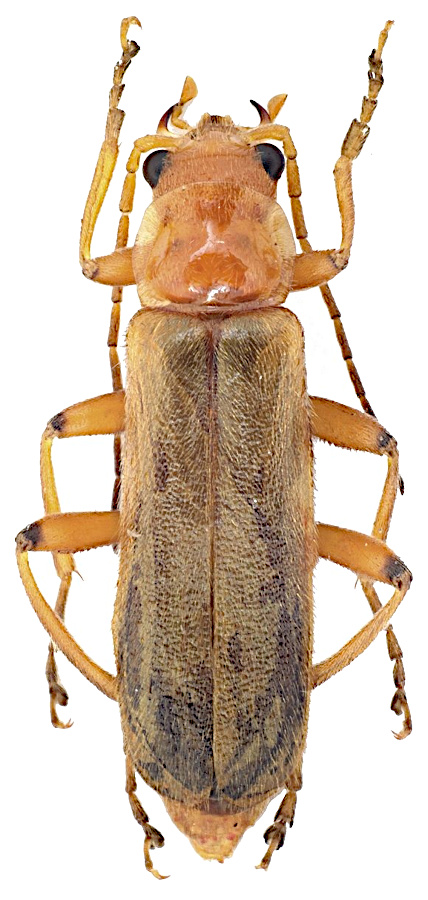
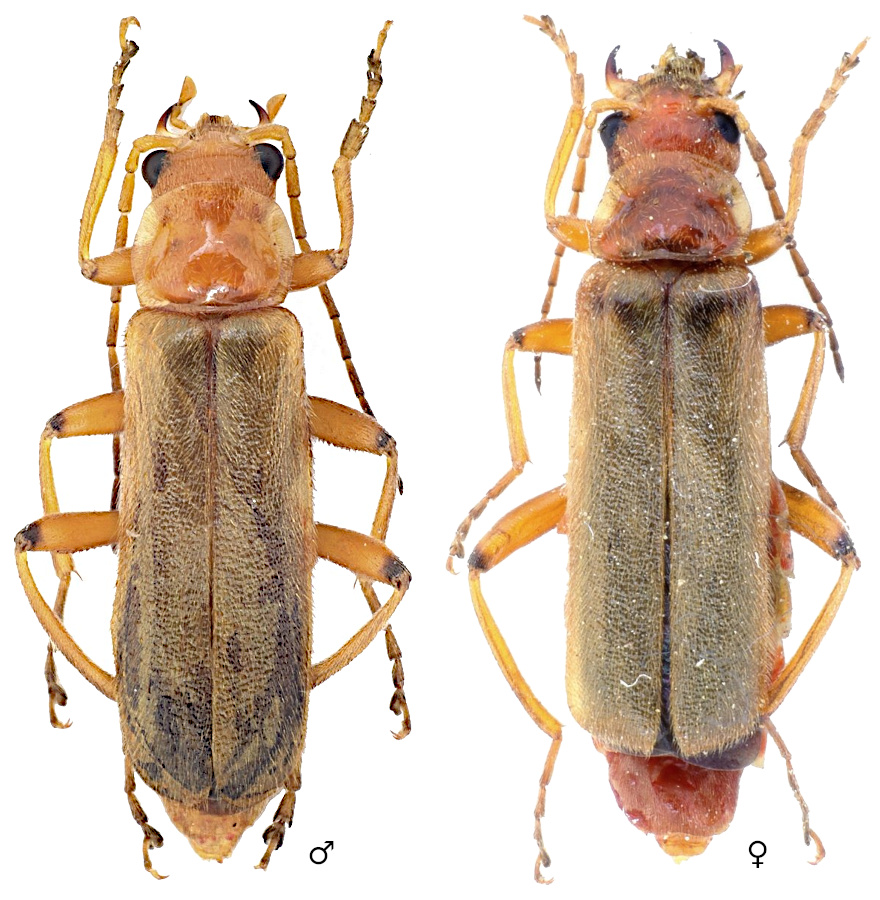
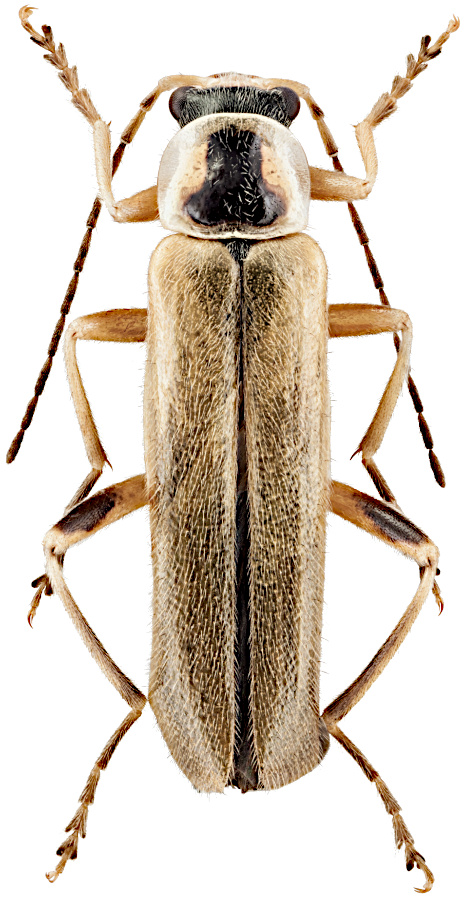
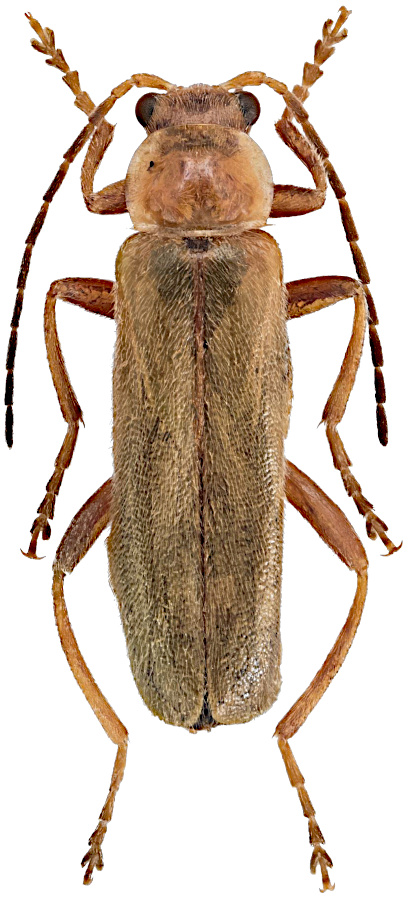
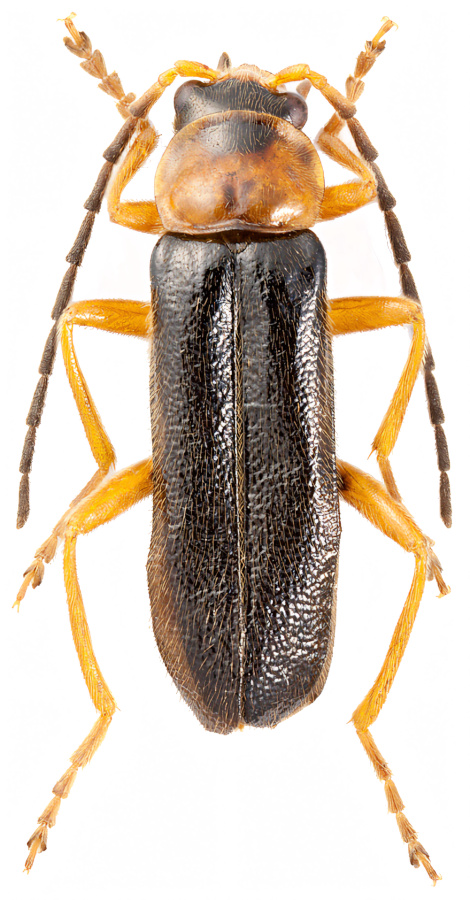
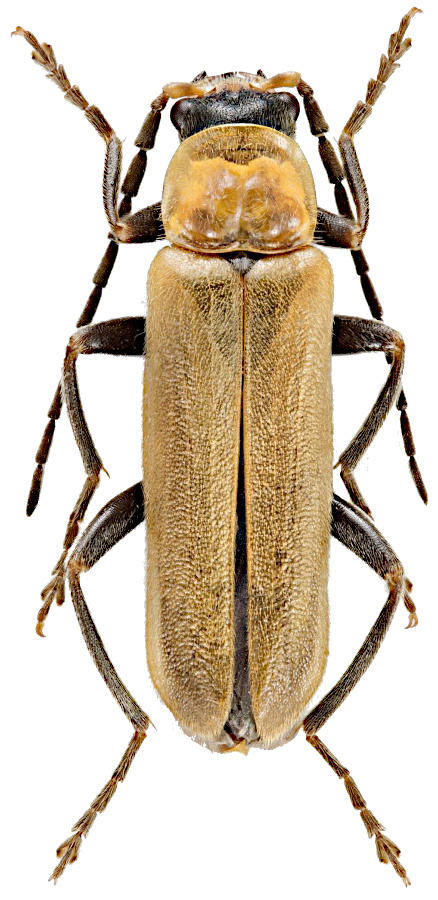
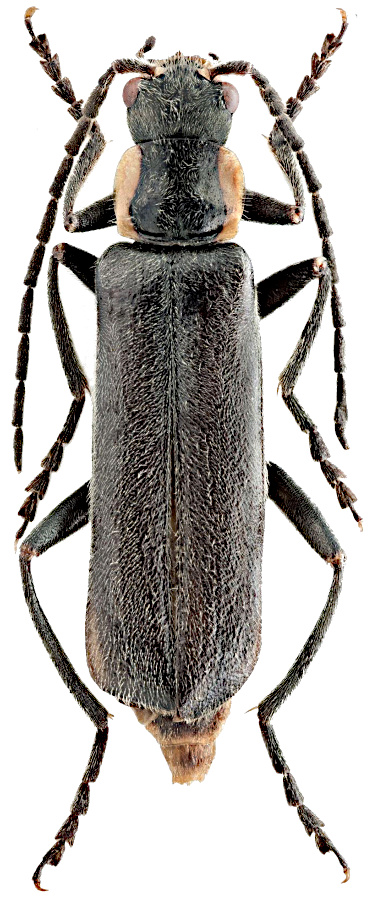
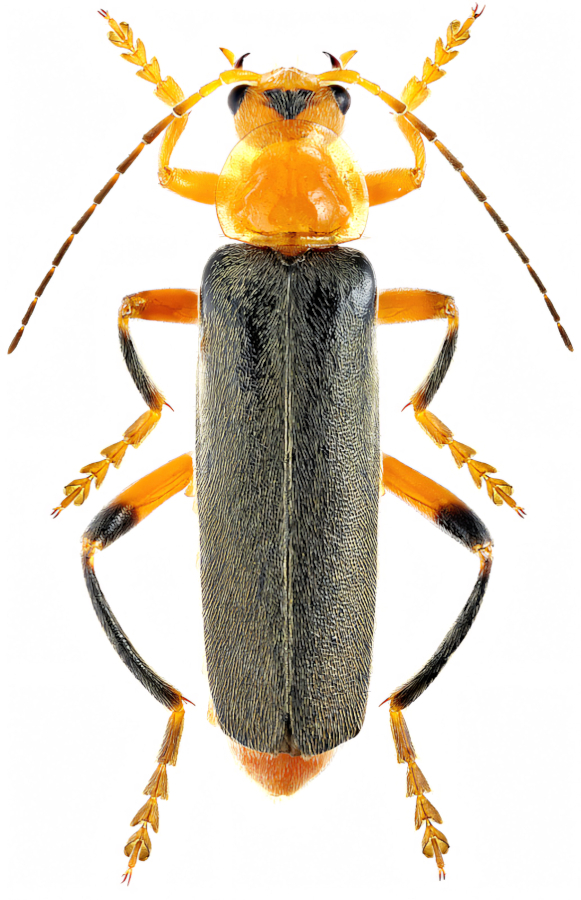
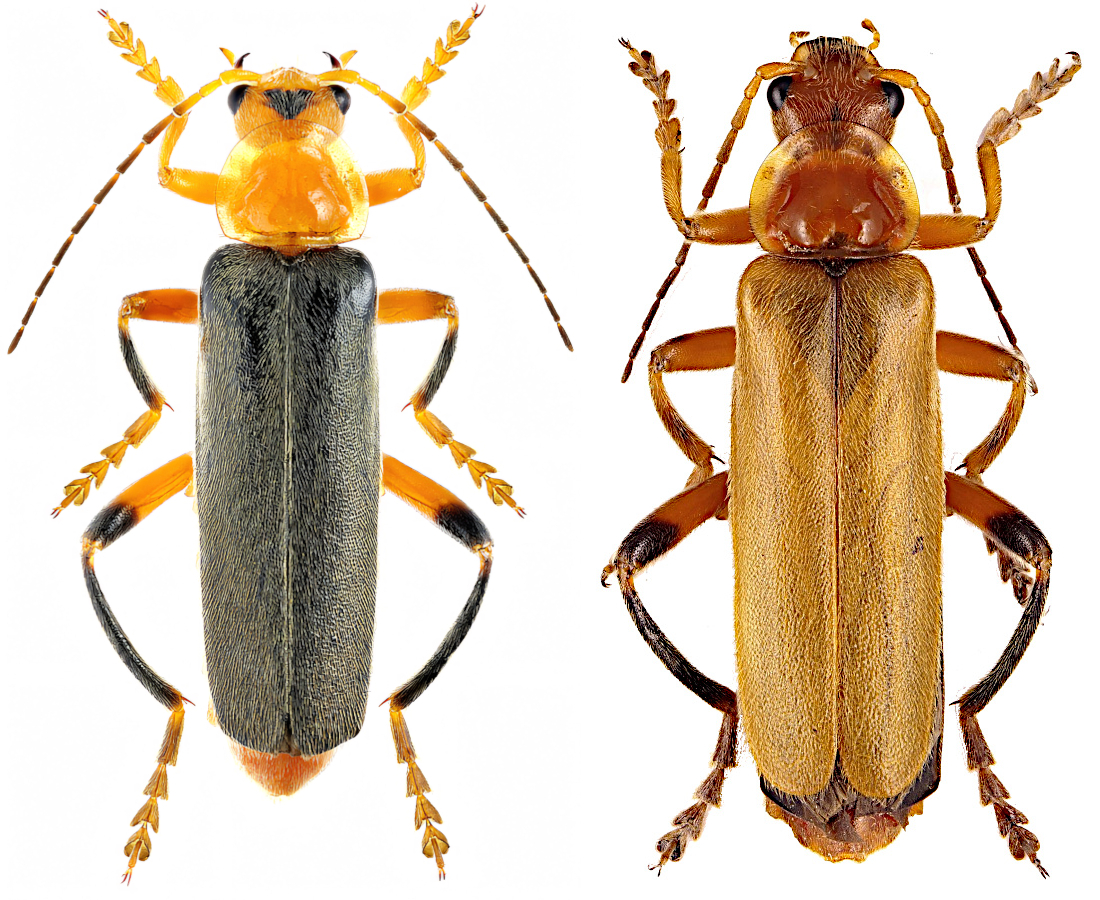
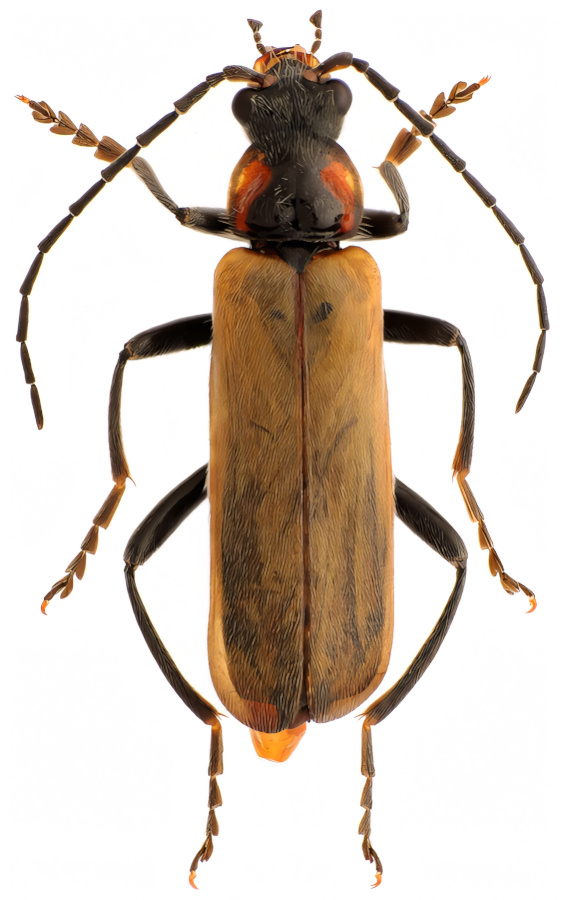
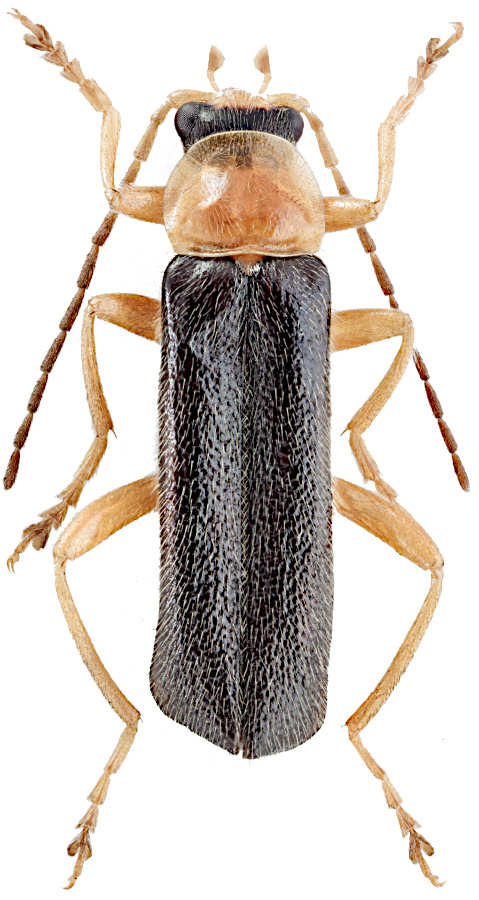
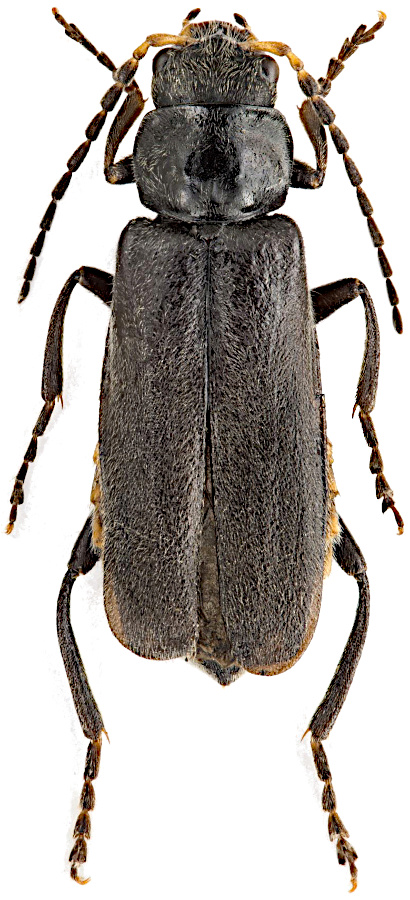
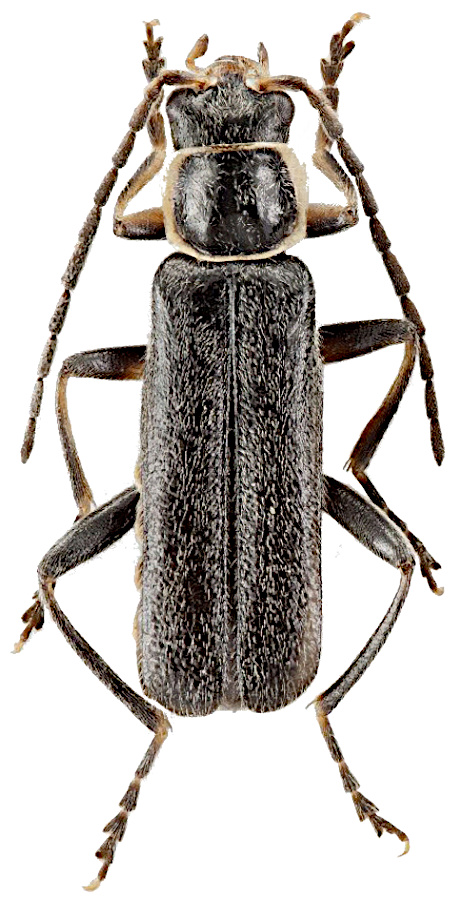
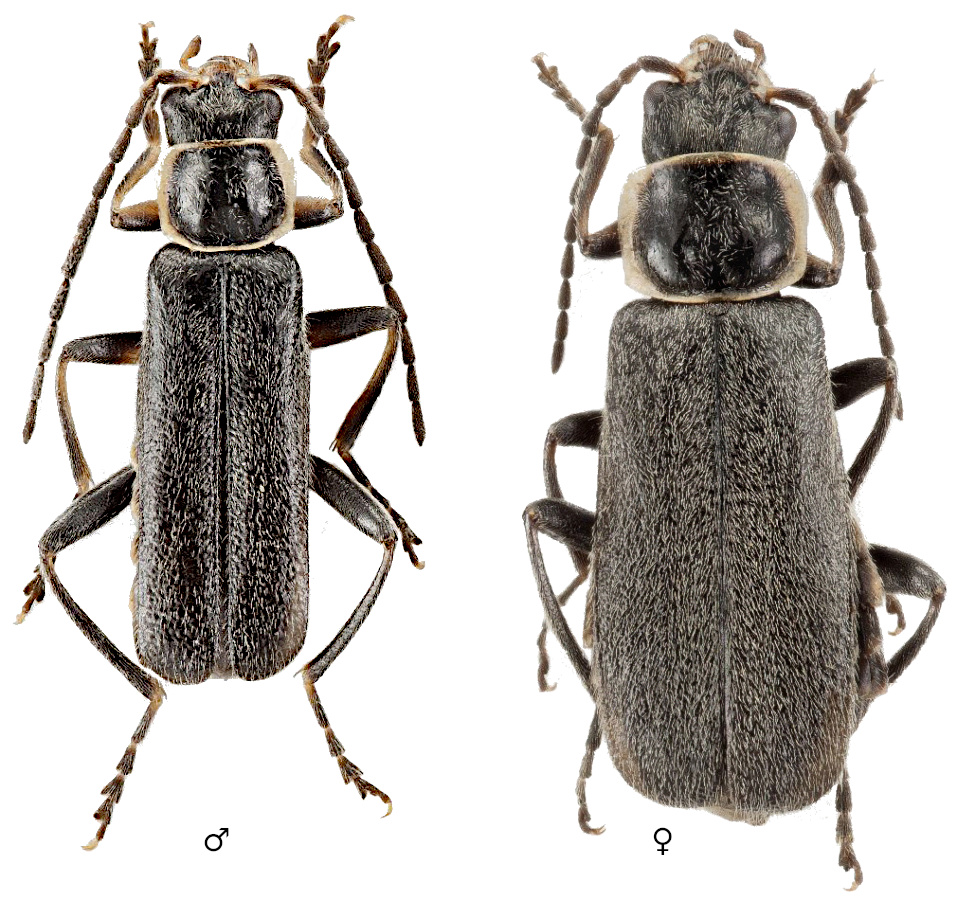
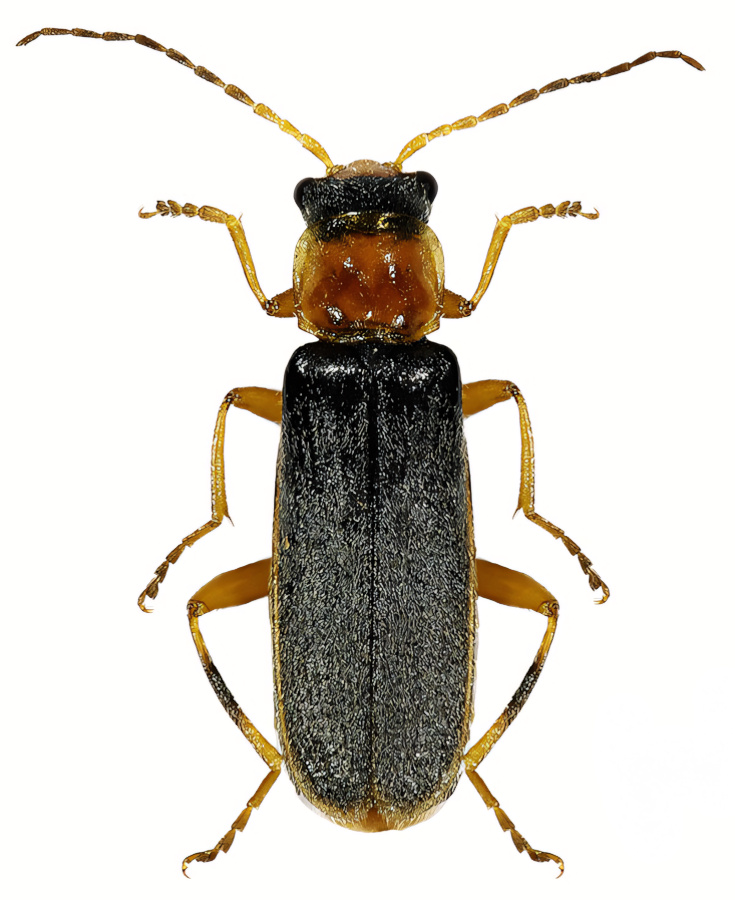
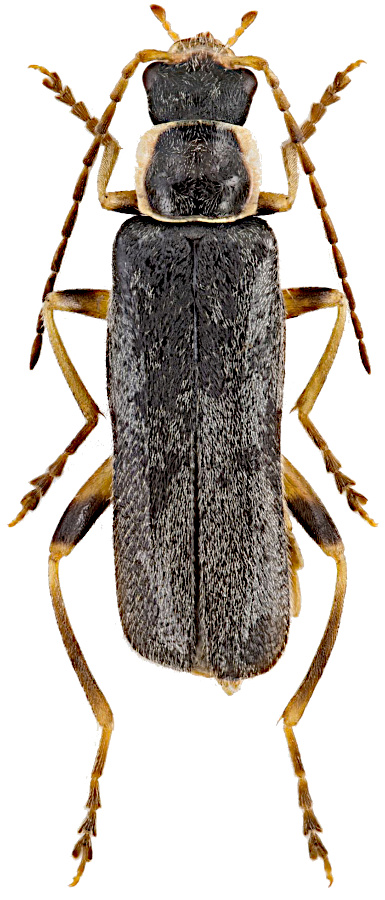
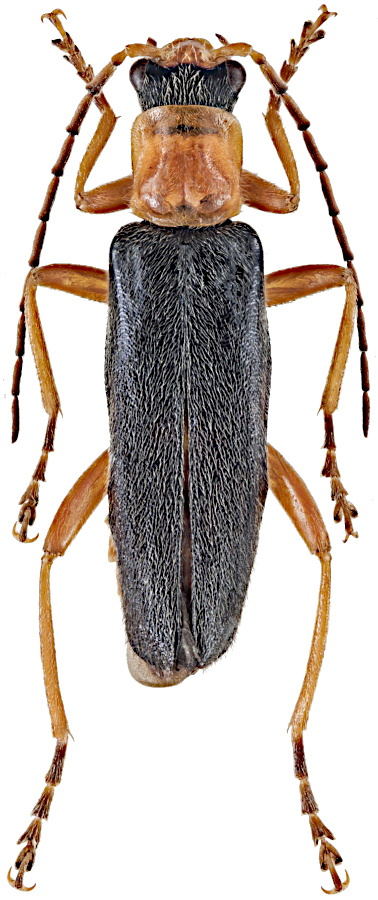
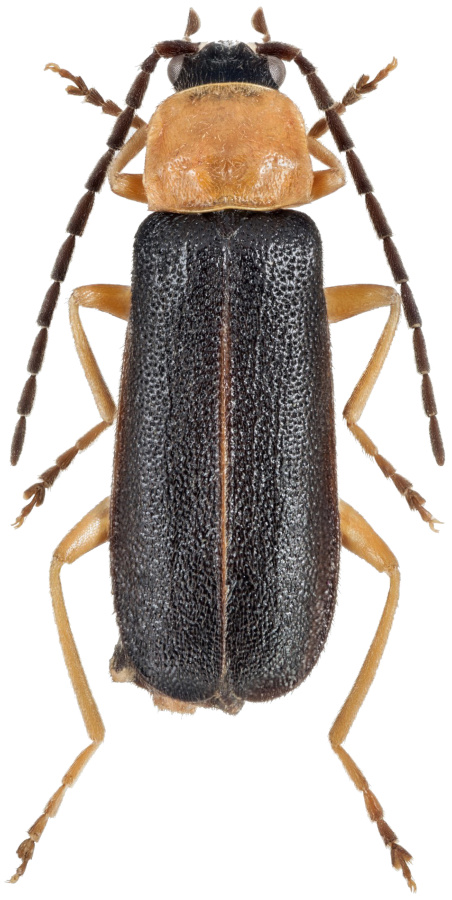
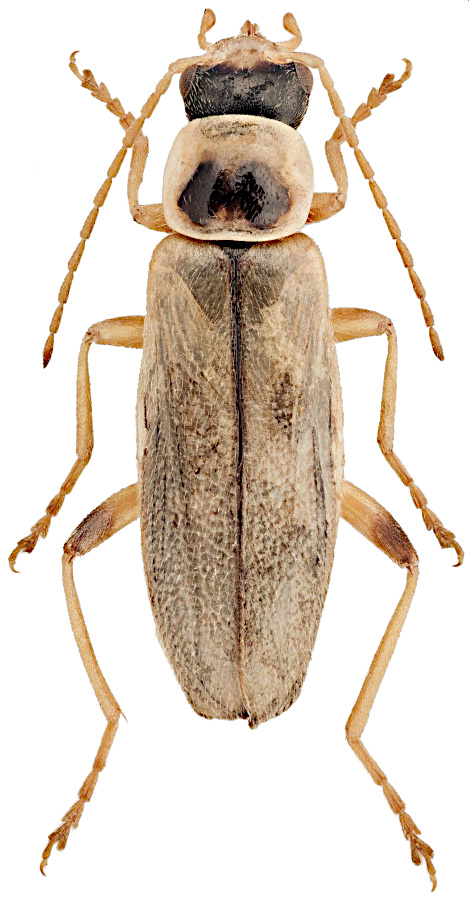
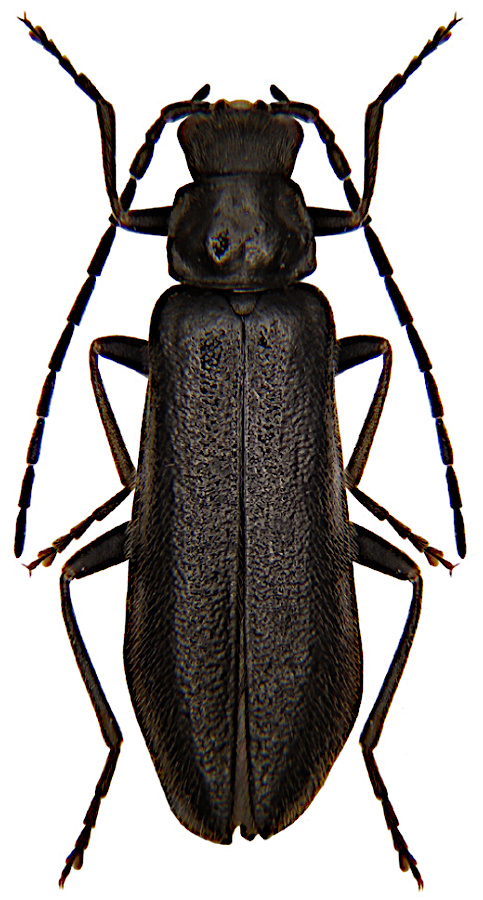
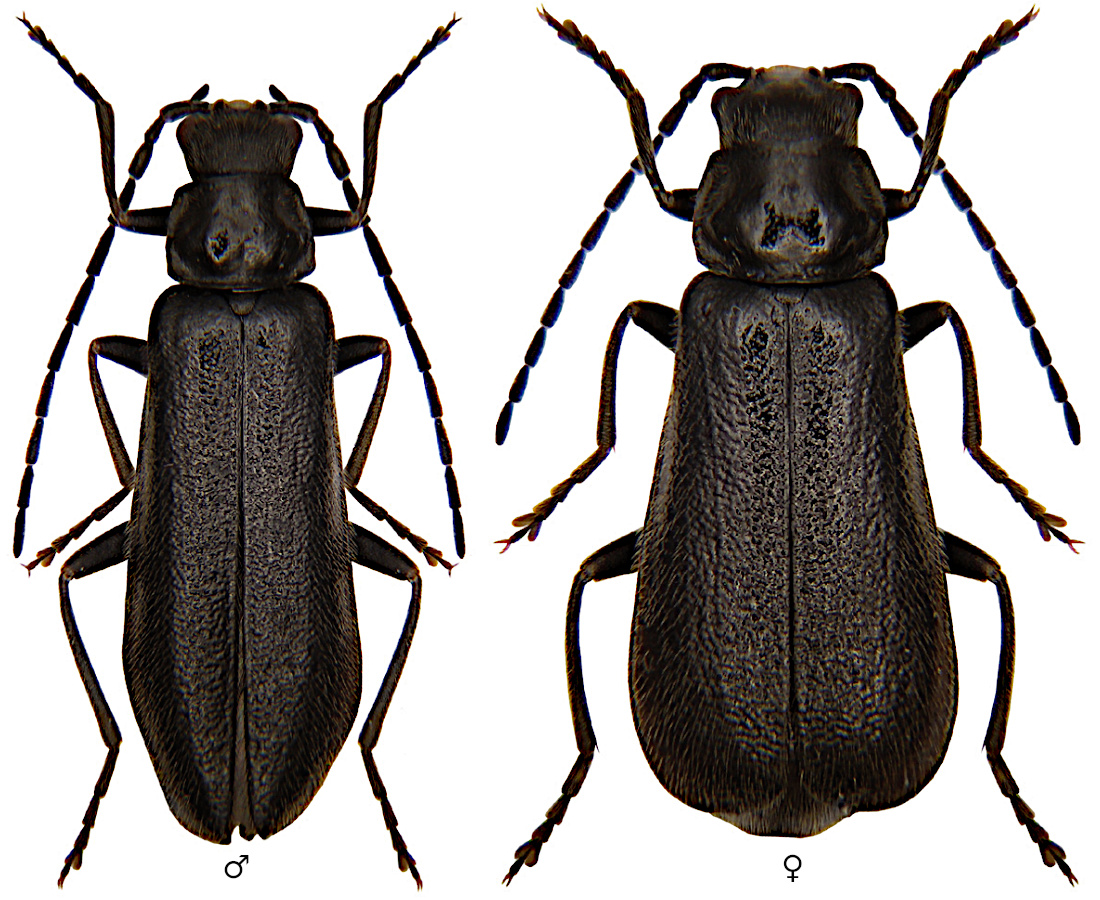
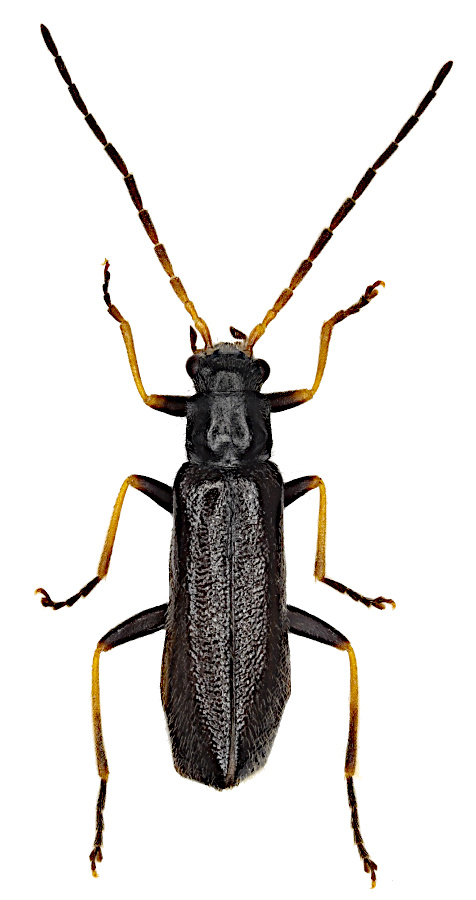
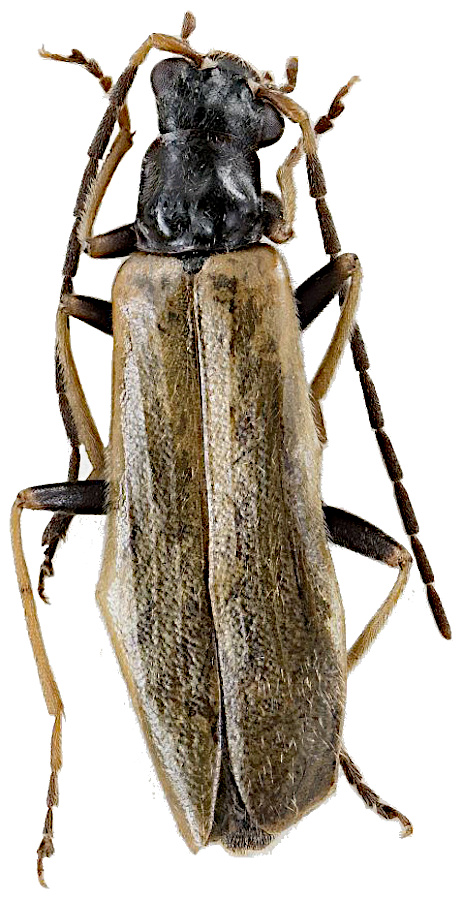
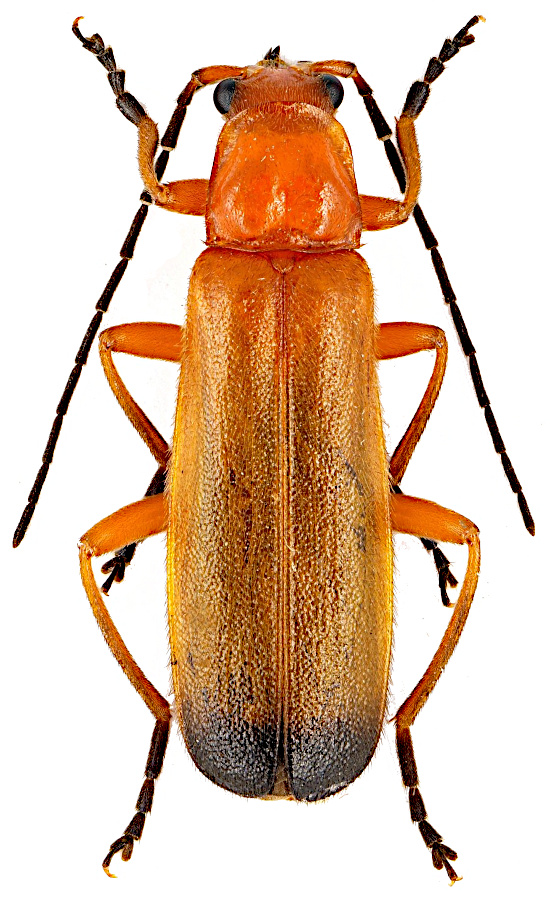
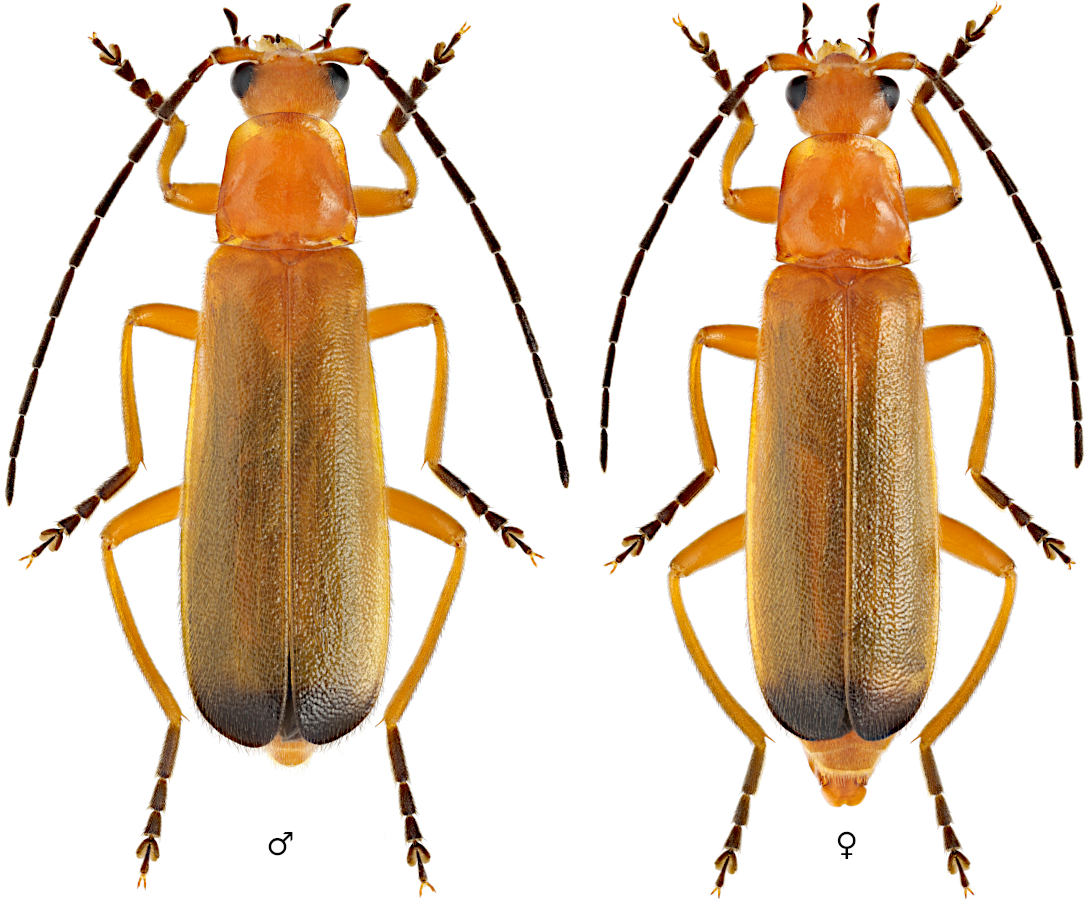
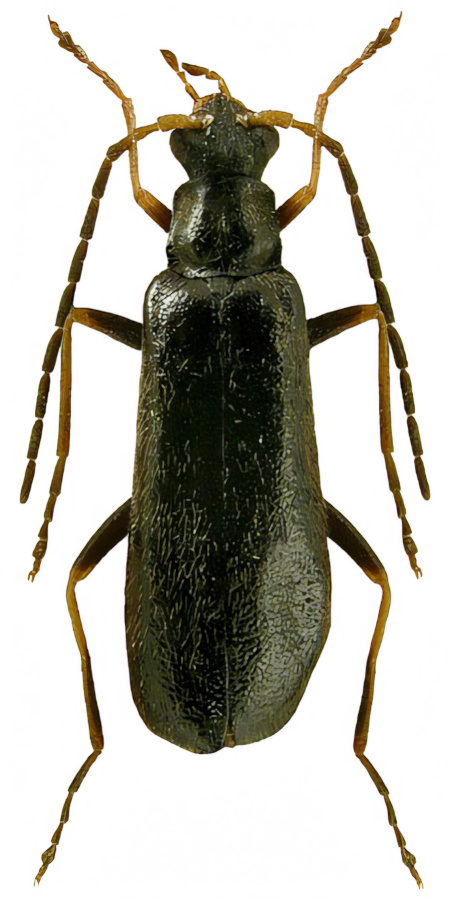
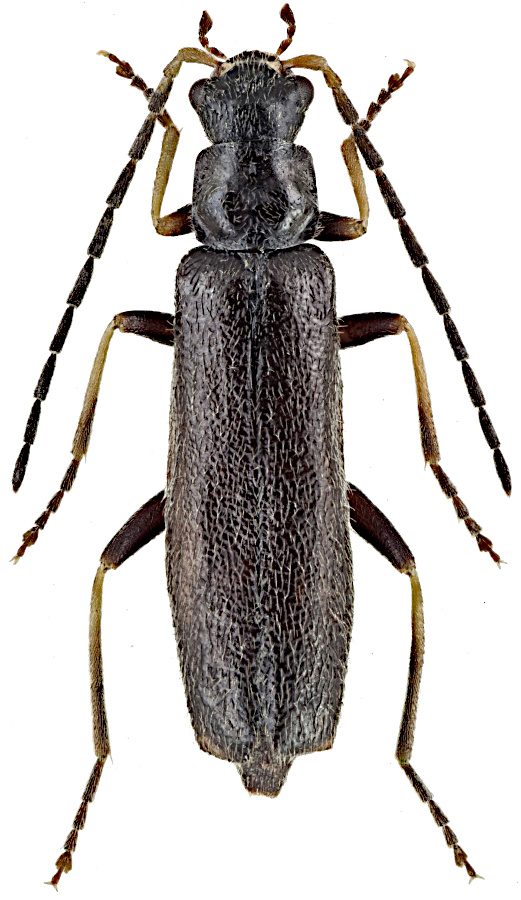
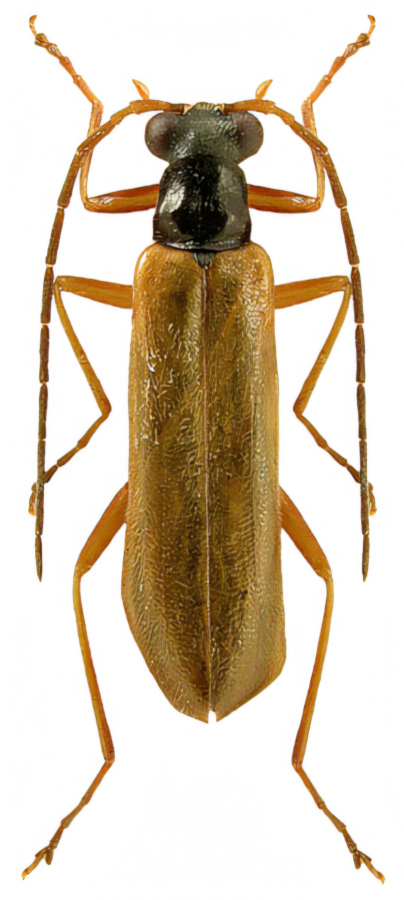
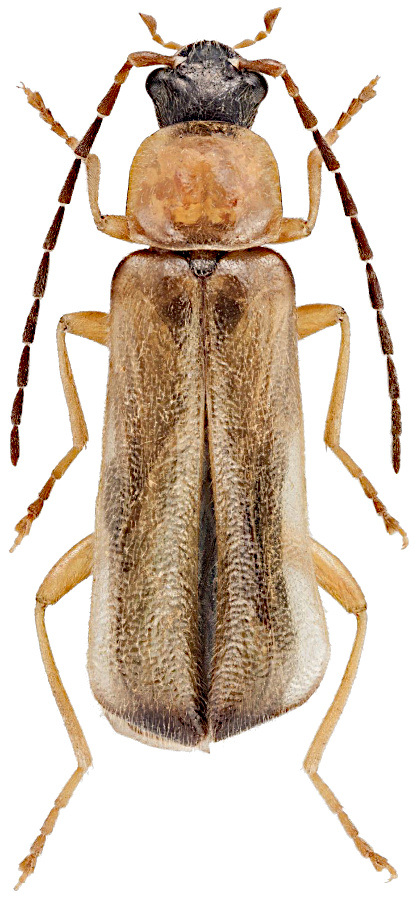
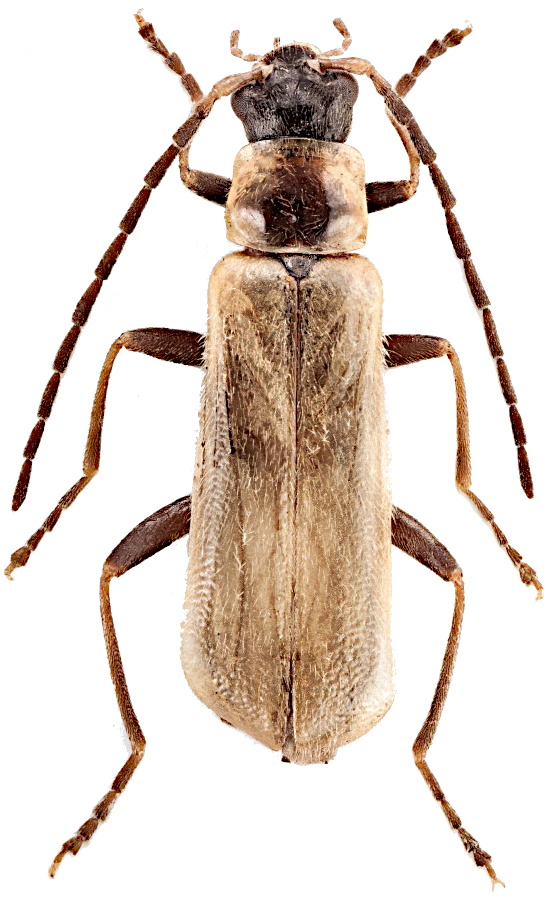
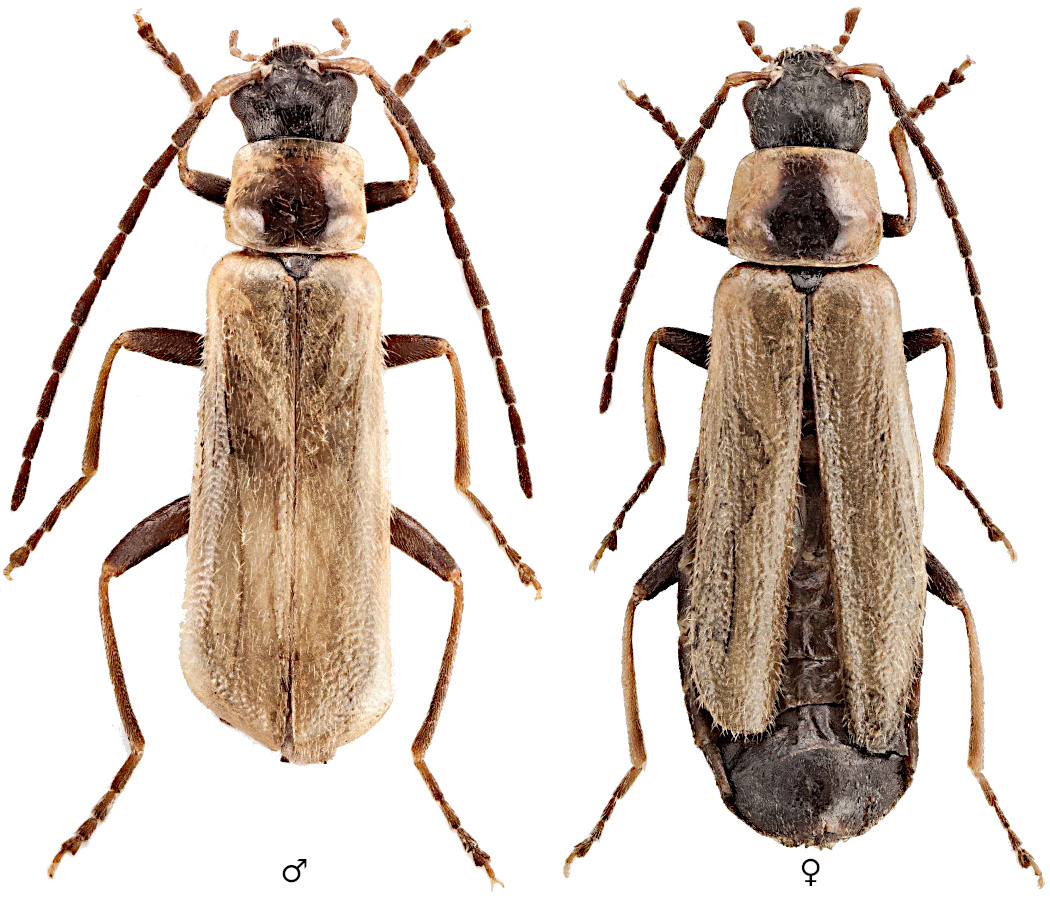
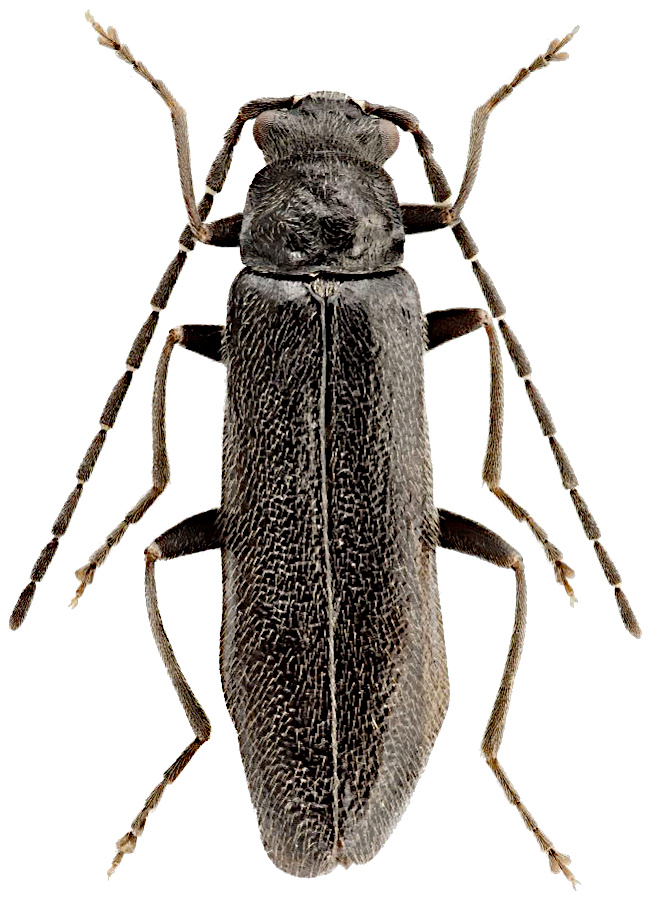
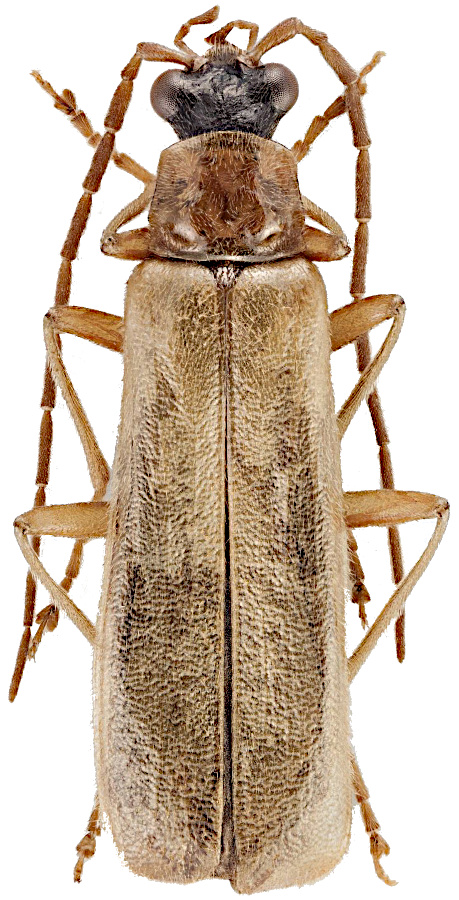
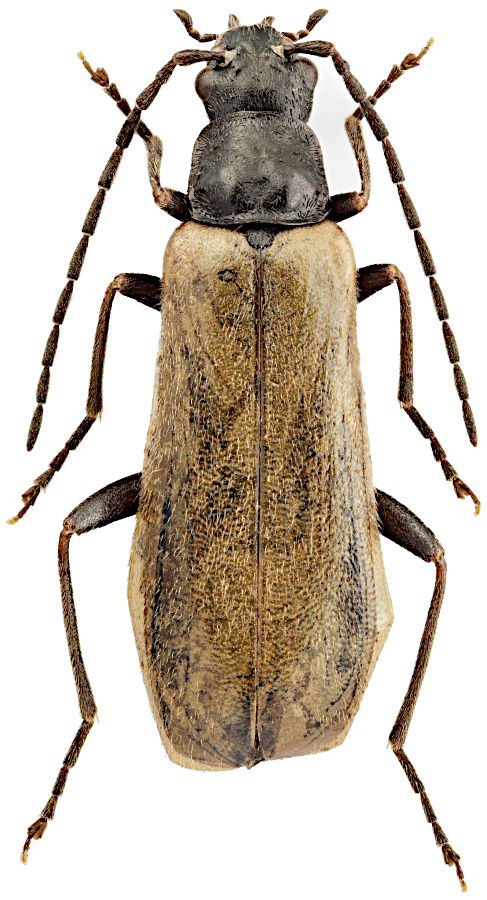
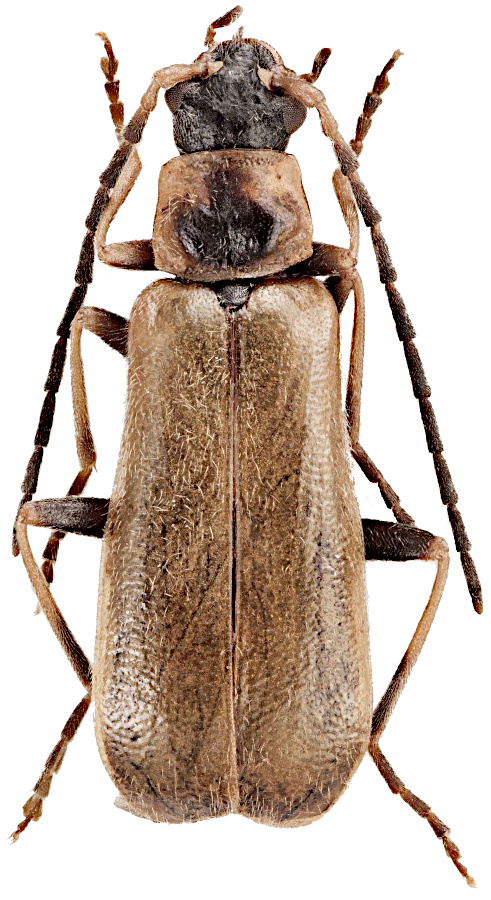
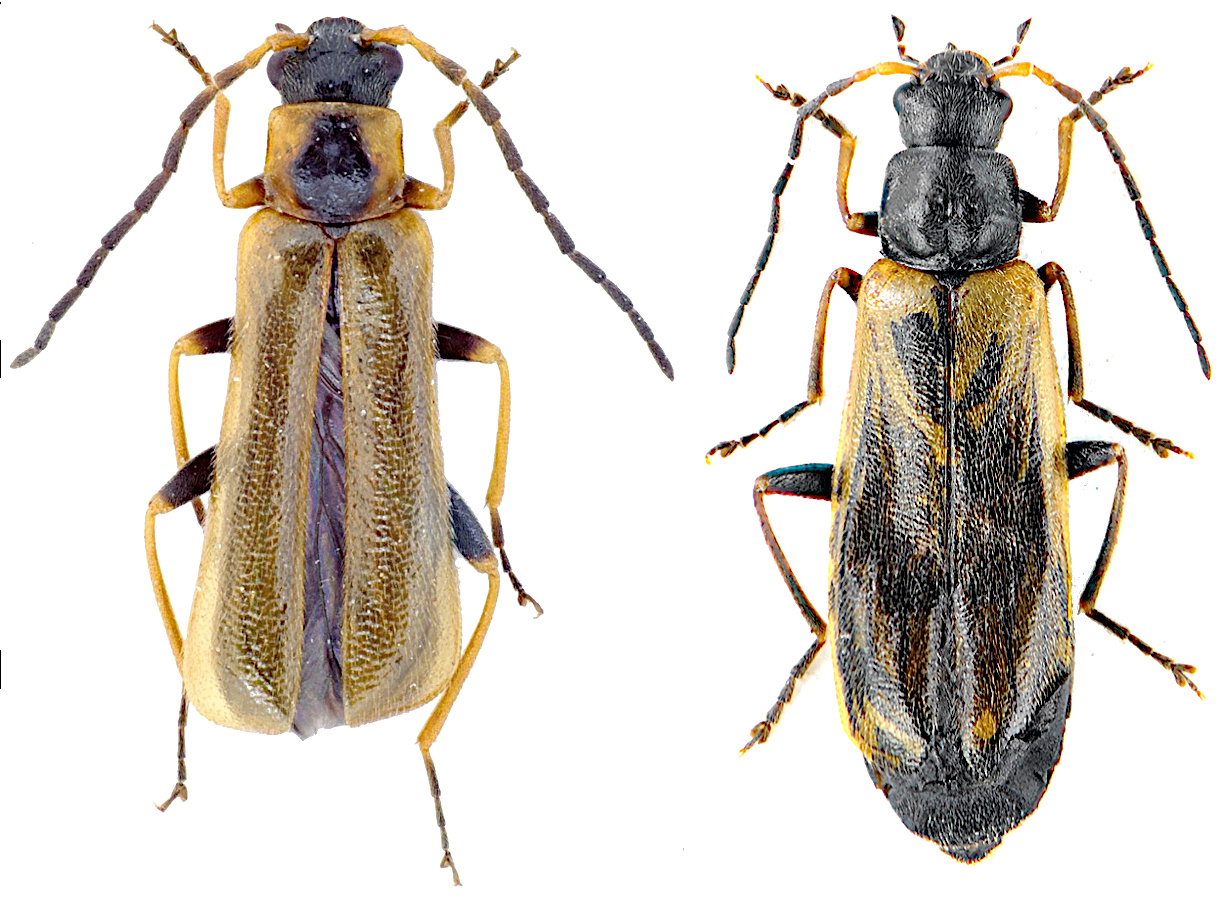
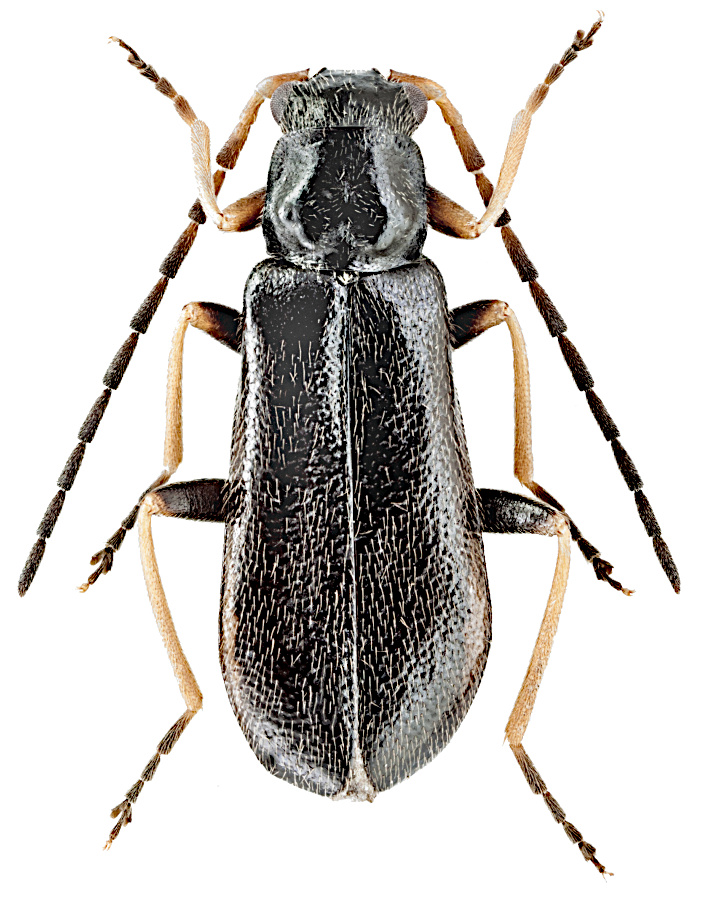
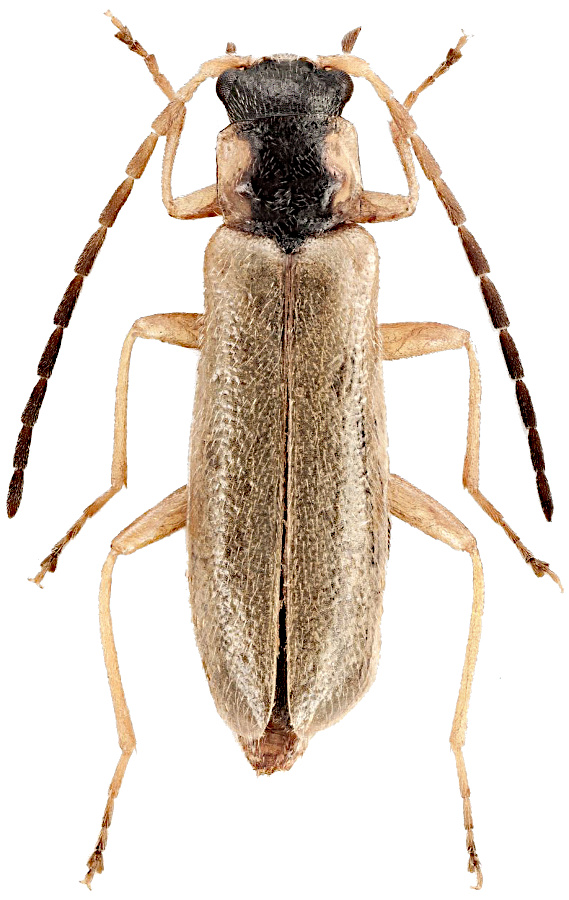
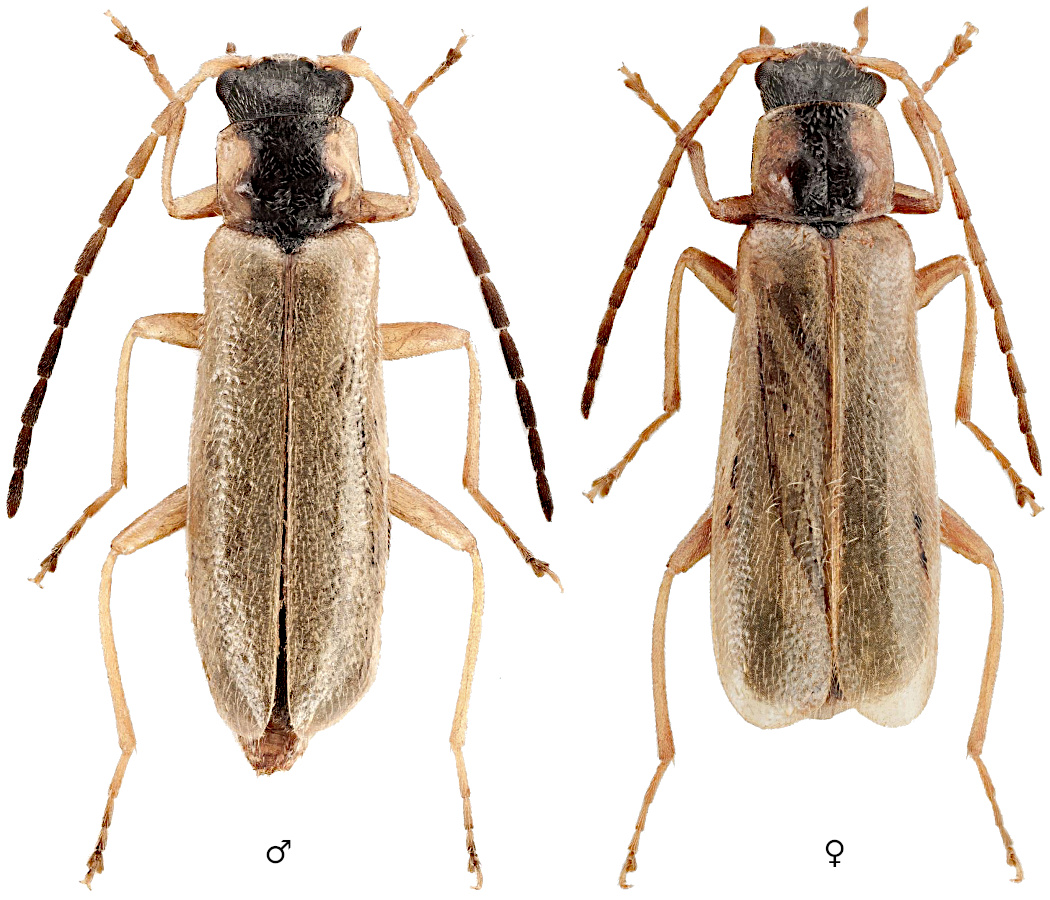
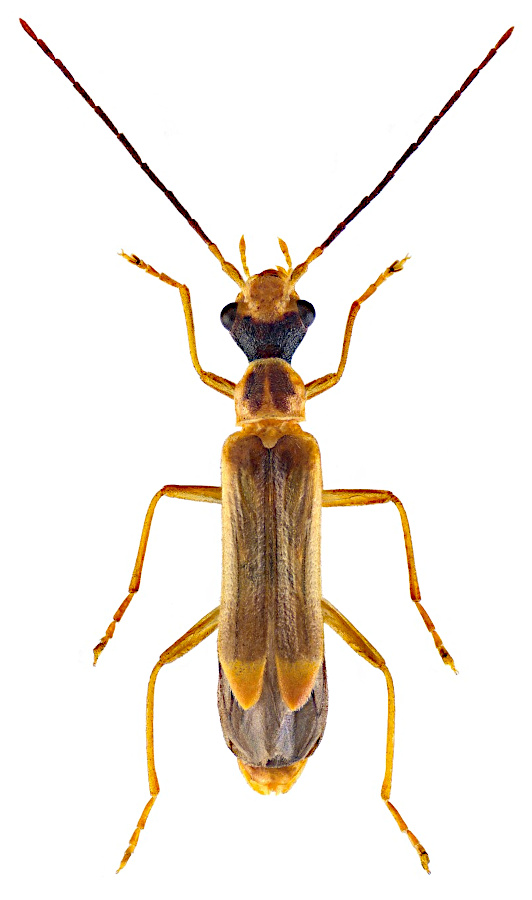
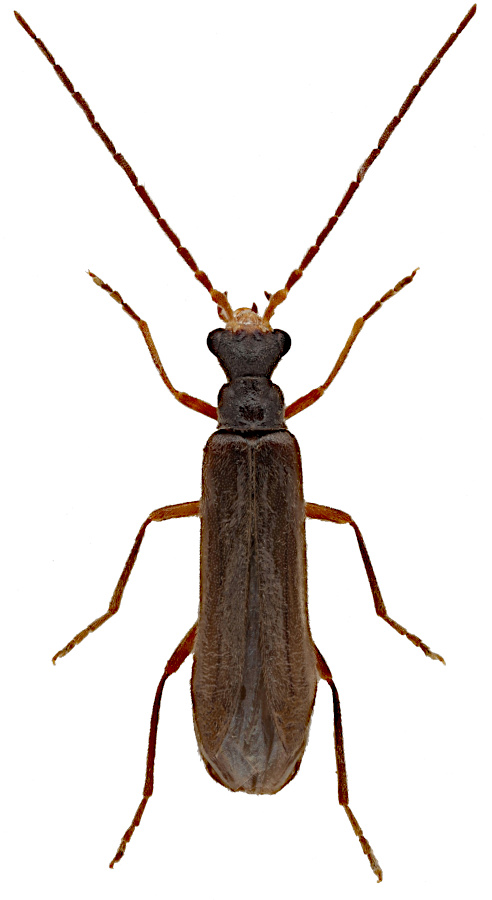
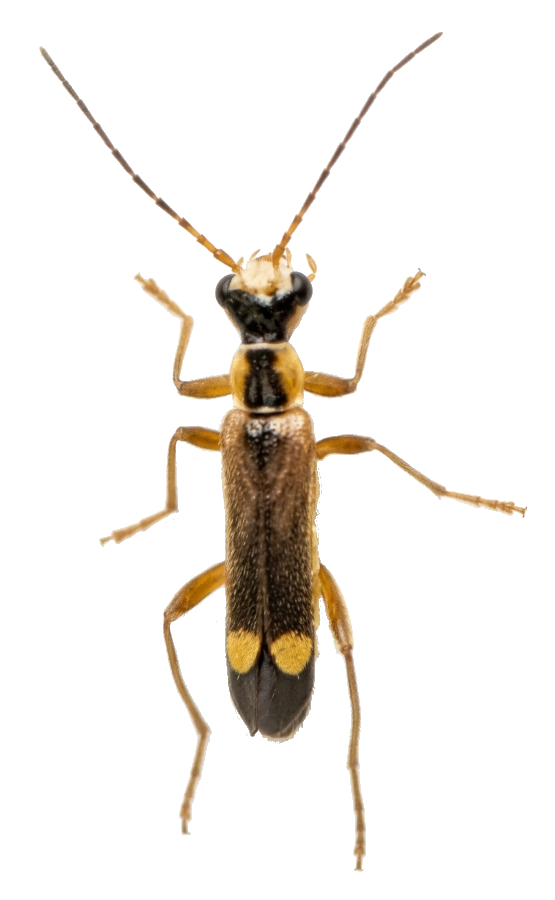
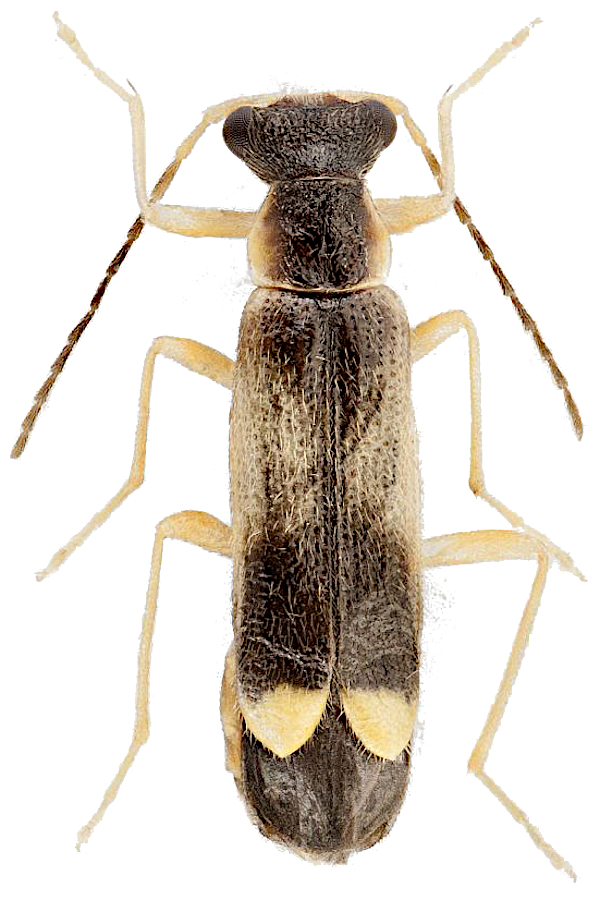
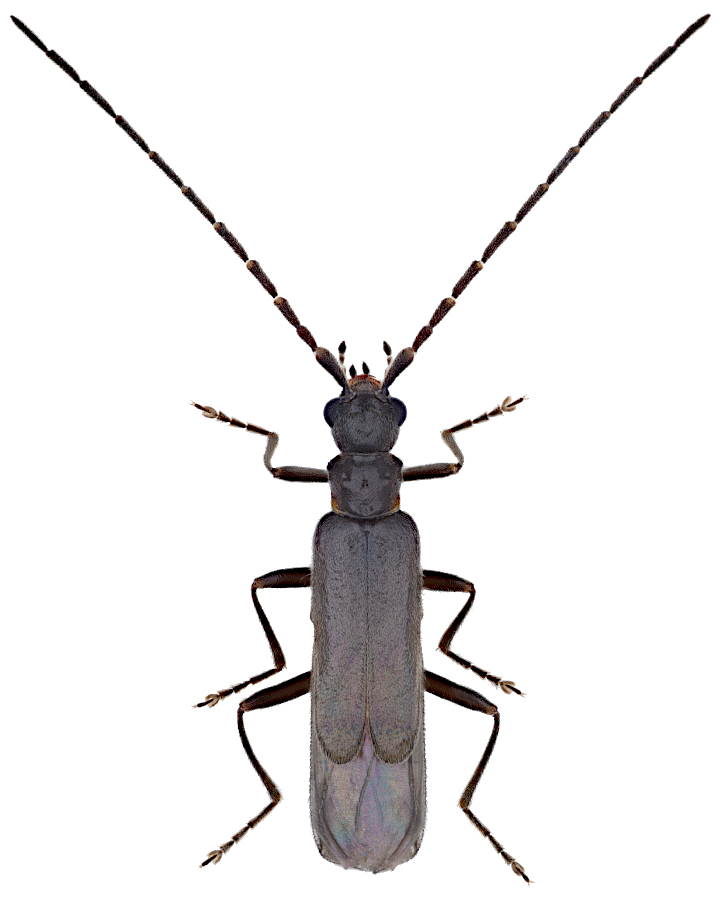
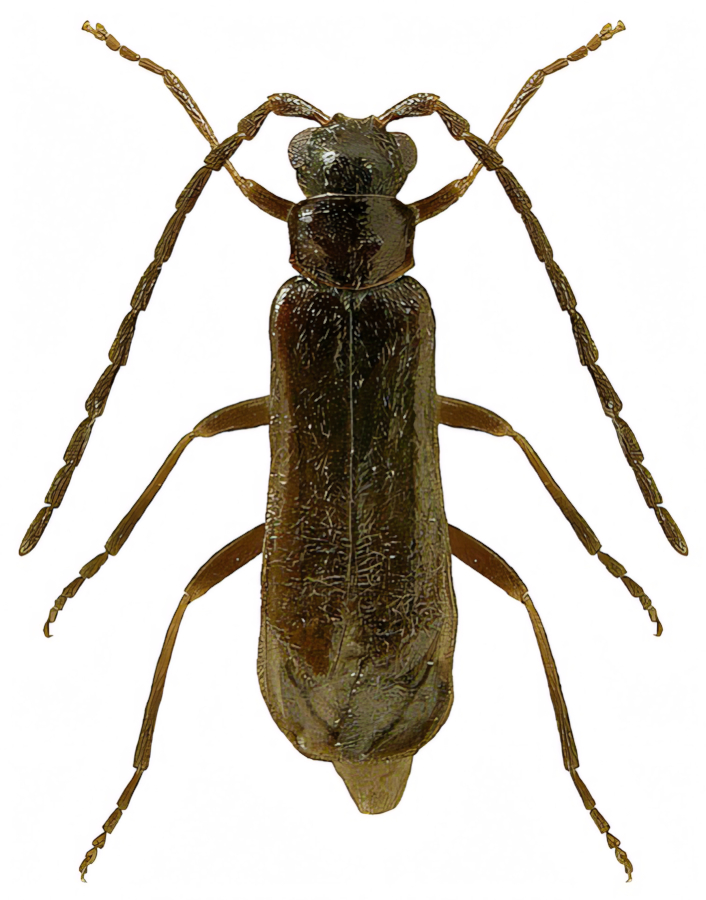
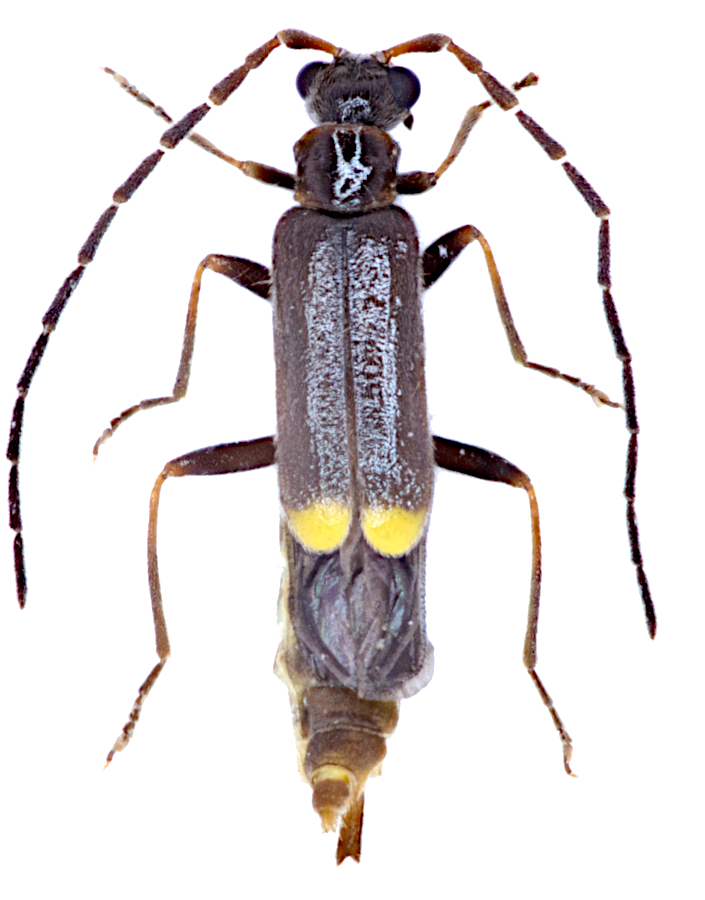
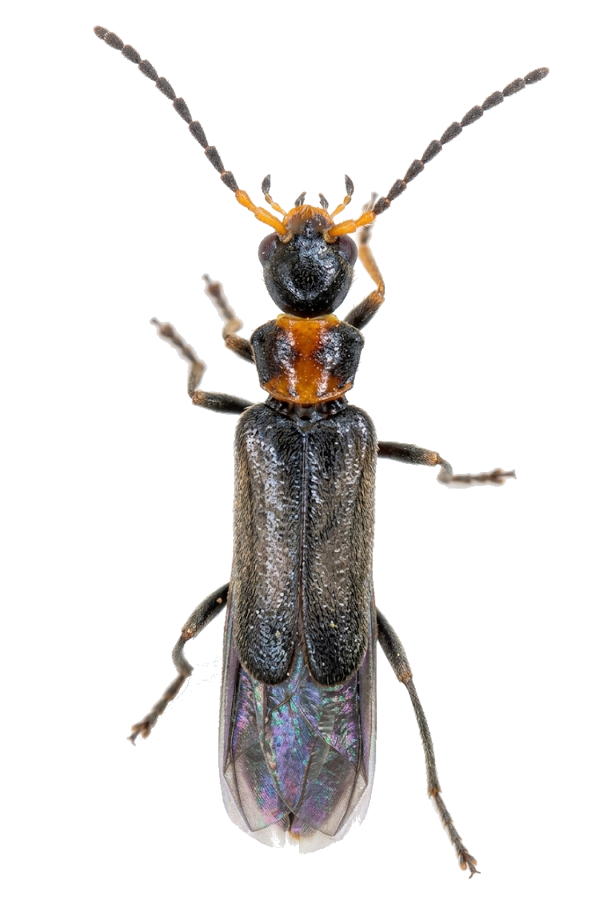
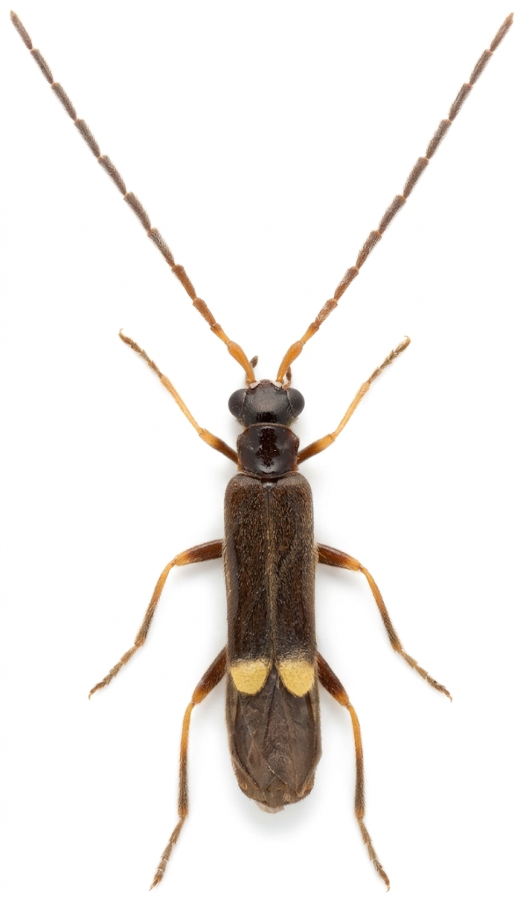
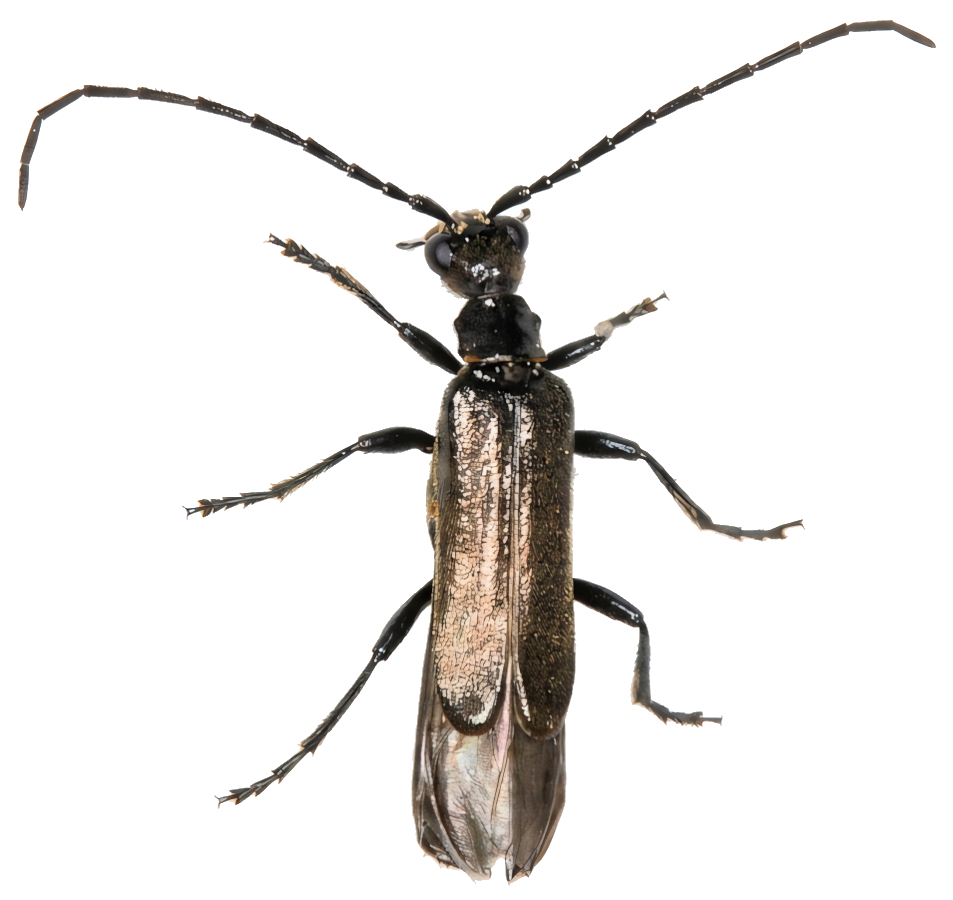
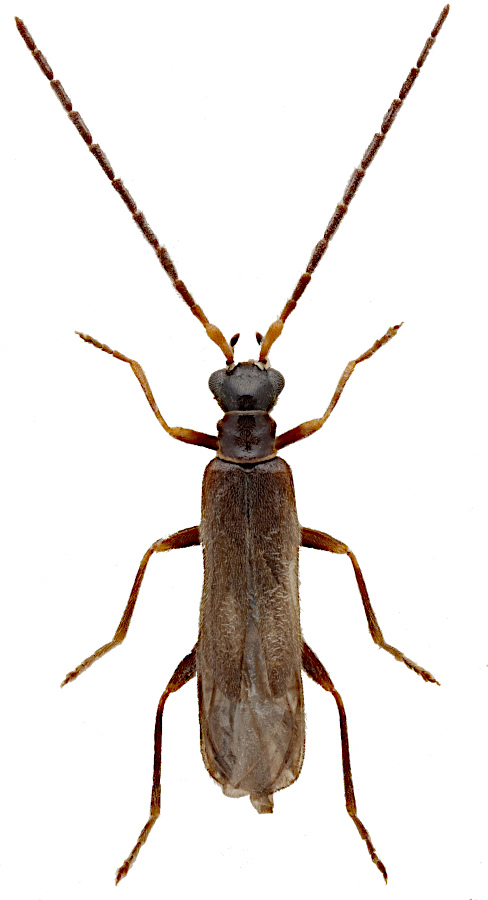
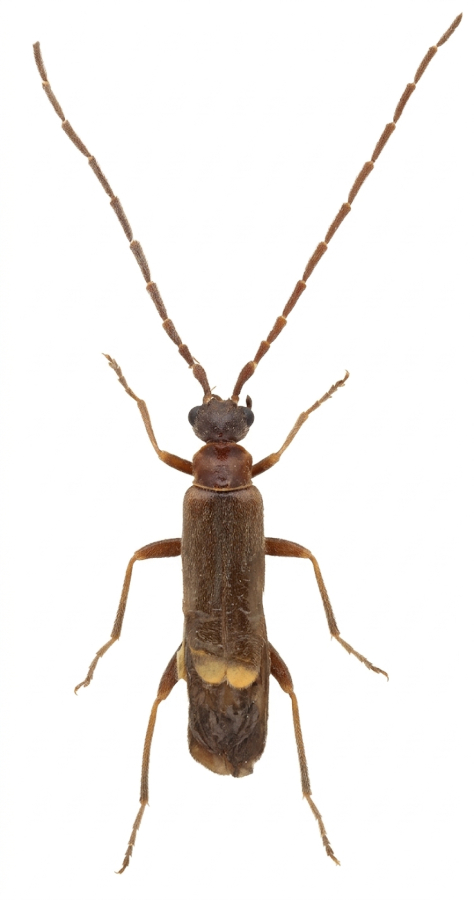
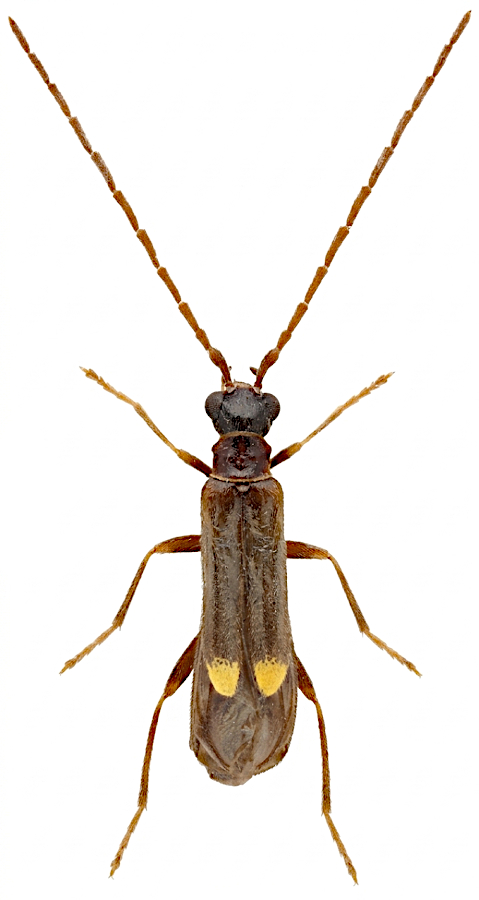
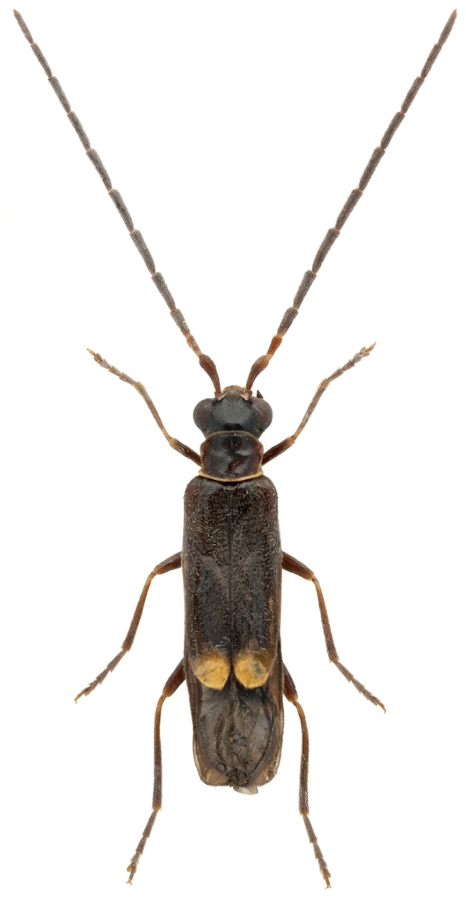
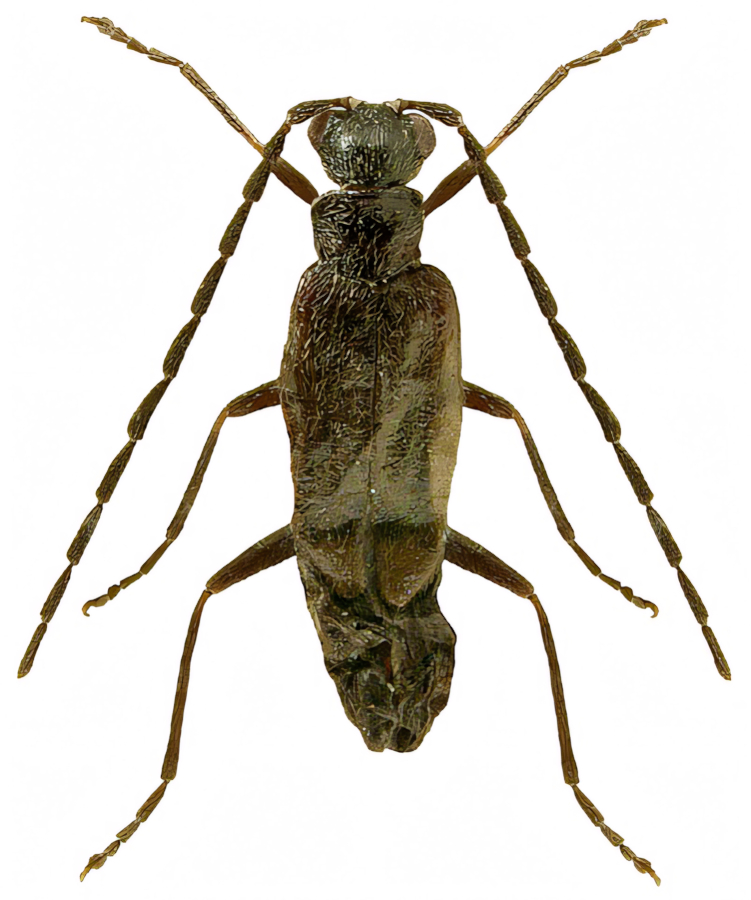
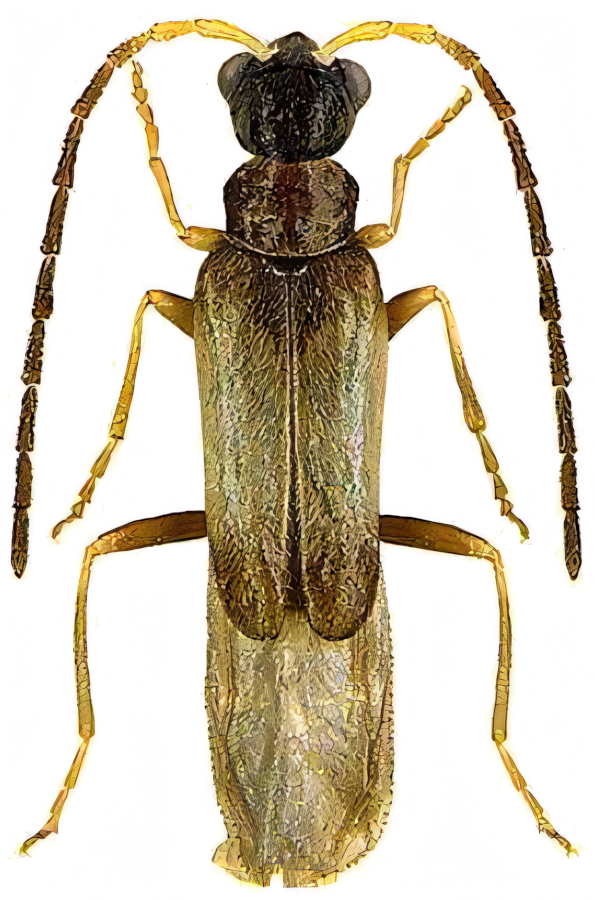
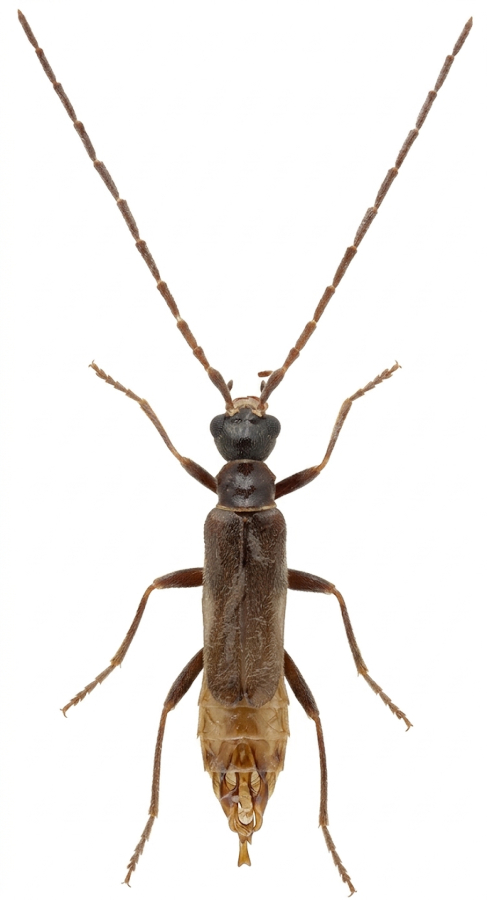
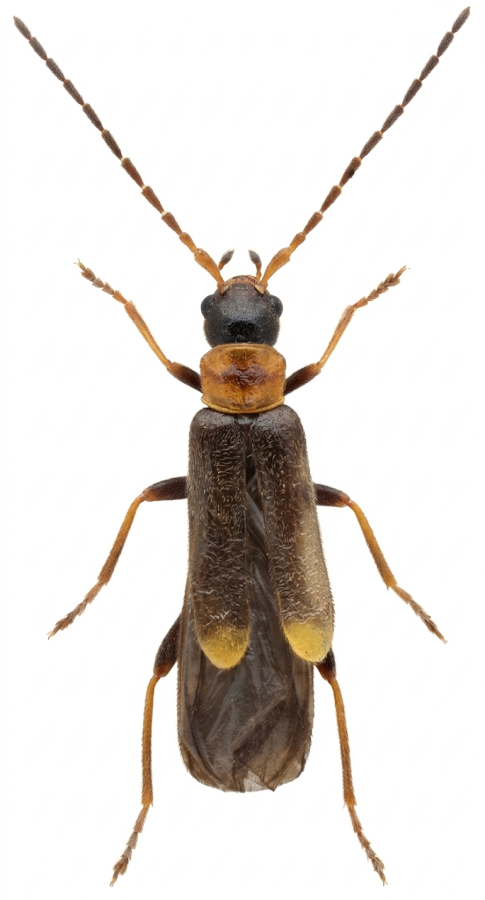
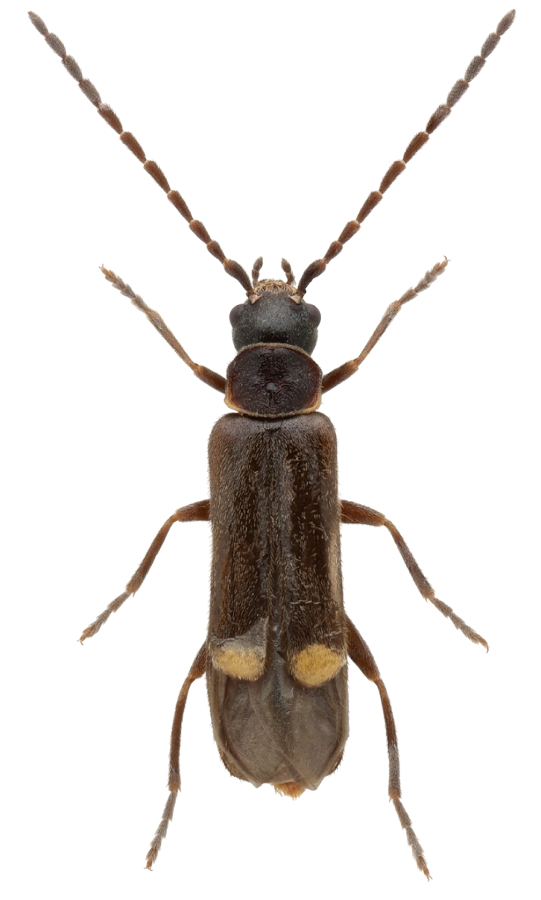
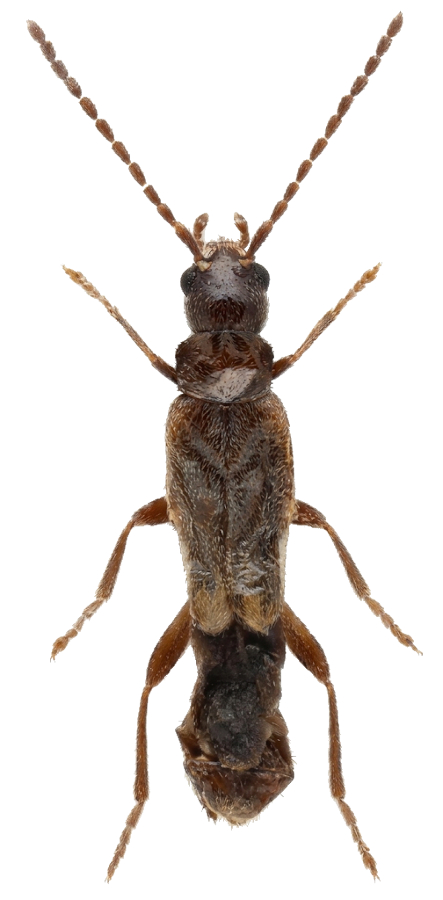
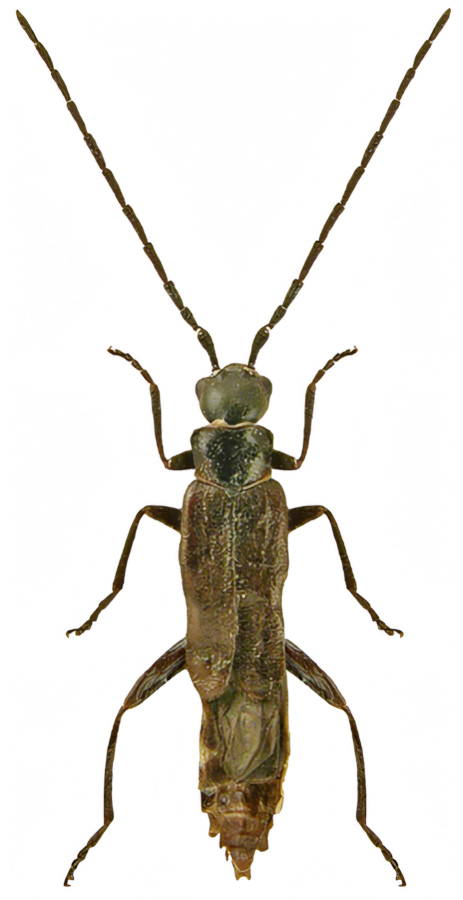
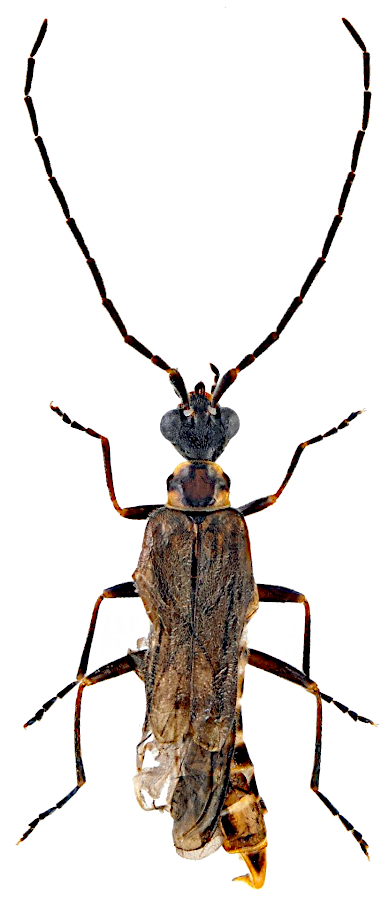
Cantharidae are predominantly small to medium-sized beetles belonging to the superfamily Elateroidea, characterised primarily by their elongated, somewhat flattened body and soft, only slightly sclerotised elytra. Most species have long, thread-like antennae, relatively long running legs and a finely hairy body. Colouration is highly variable, but often combines black, grey, yellow, orange and red, which likely serves as a warning (aposematic) colouration, alerting predators to their chemical defences. Adults are commonly seen from spring through to the height of summer on flowers, the leaves of woody plants and the stems of herbs, where they feed on nectar, pollen and small insects, making them important pollinators. The dark, velvety-haired larvae are predominantly carnivorous and live in the soil, leaf litter, under stones, in moss or in decaying wood. Owing to their ability to withstand low temperatures and move across snow, the larvae and some adults are colloquially known as ‘snow worms’ or ‘snow beetles’. The family is found almost worldwide and comprises approximately 6,000 described species.
Number of Species:
| World | 5 700 | |
| Palaearctic Region | 2 000 |
| Europe | 530 | |
| Central Europe | 143 |
 |
Family Card |
CANTHARIDAE (Imhoff, 1856 (1815)) |
Cantharinae (Imhoff, 1856 (1815)) |
Cantharini (Imhoff, 1856 (1815)) |
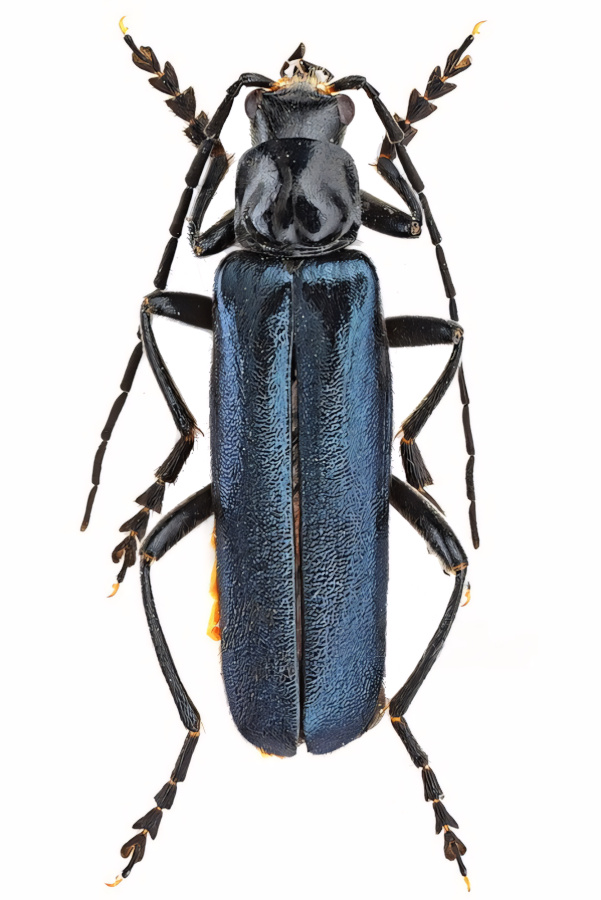




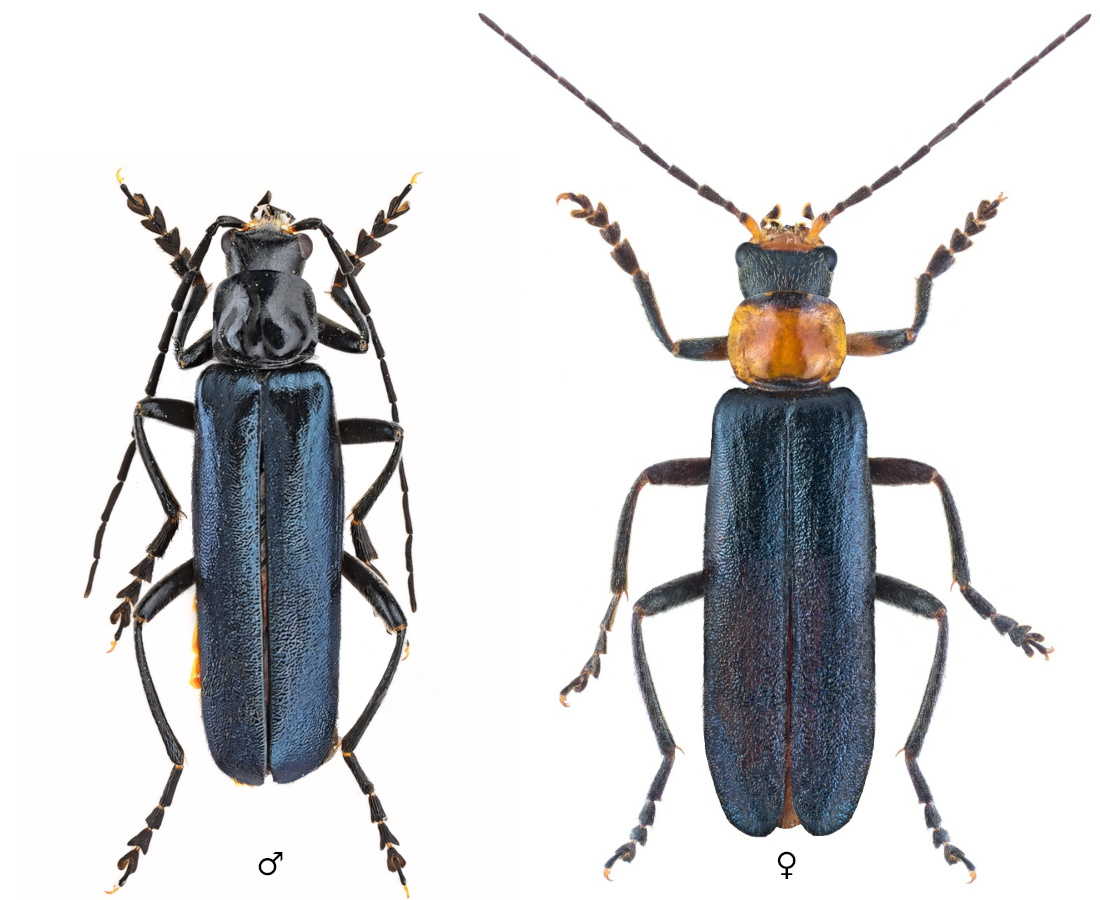



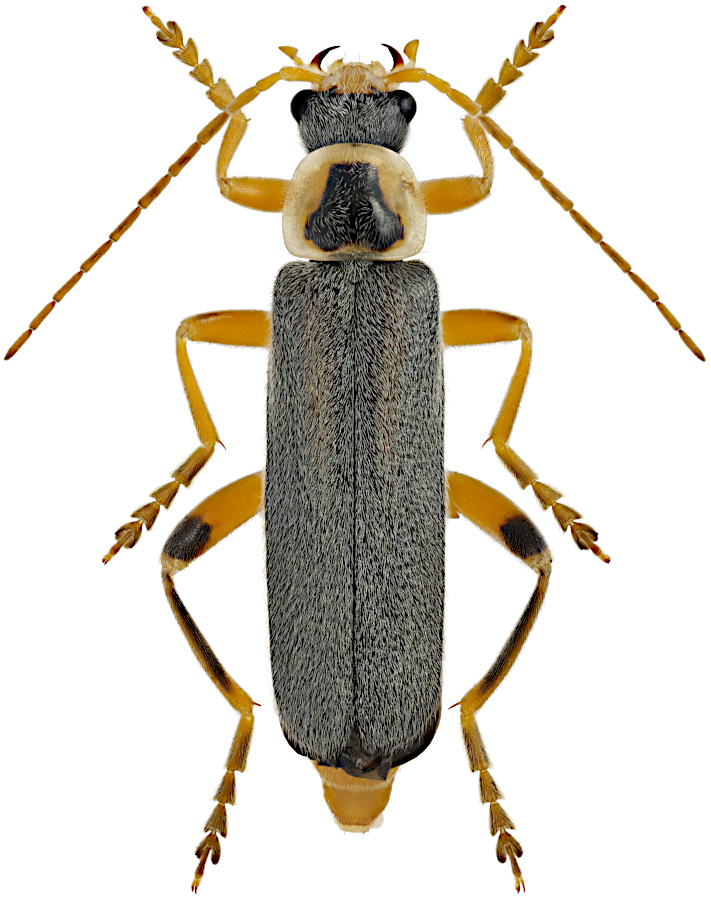
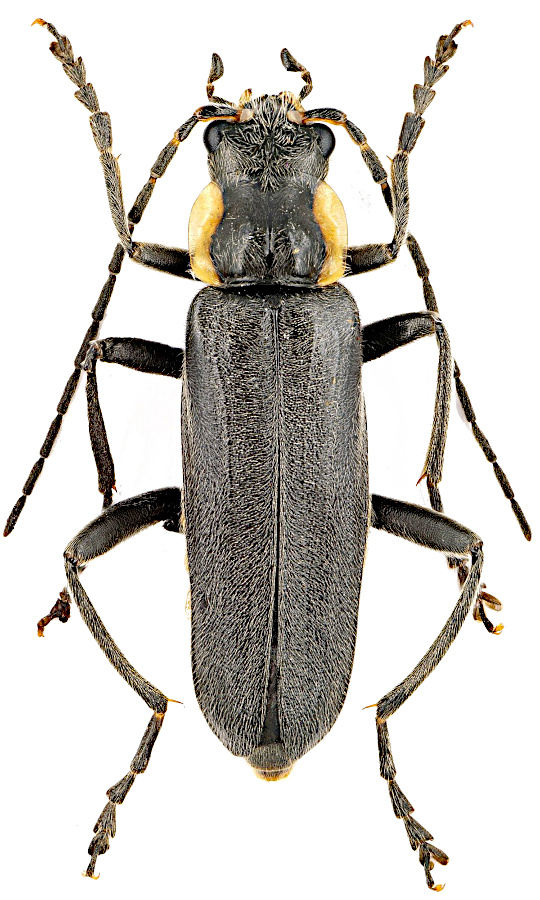
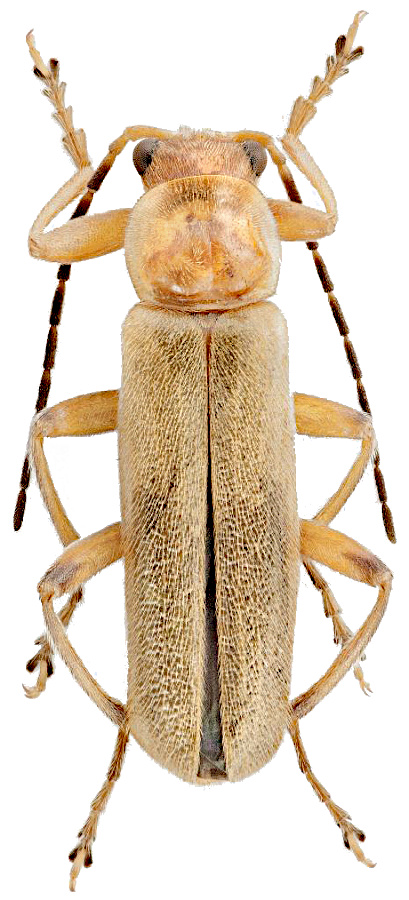
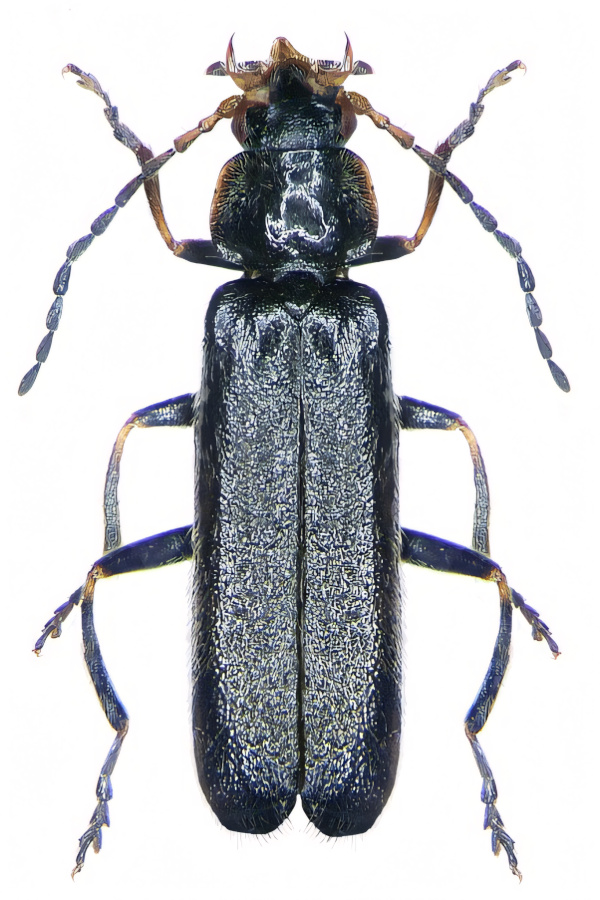
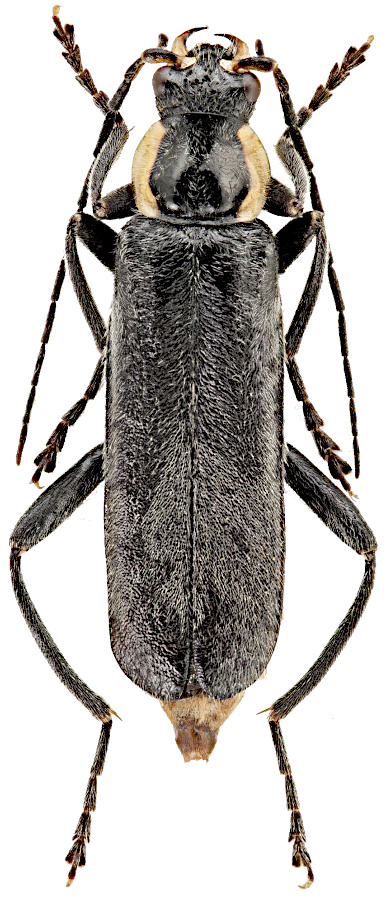
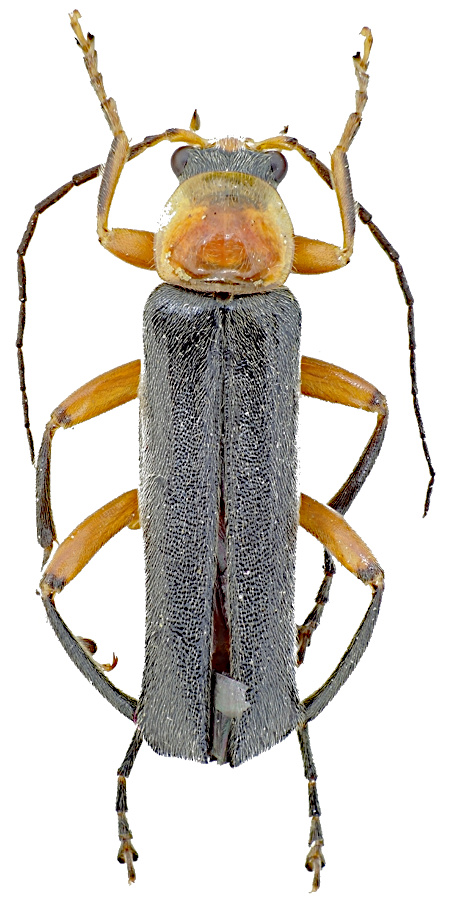
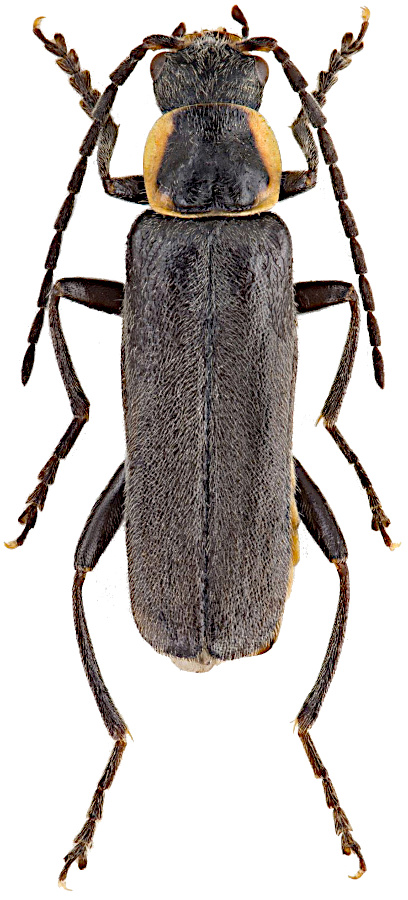
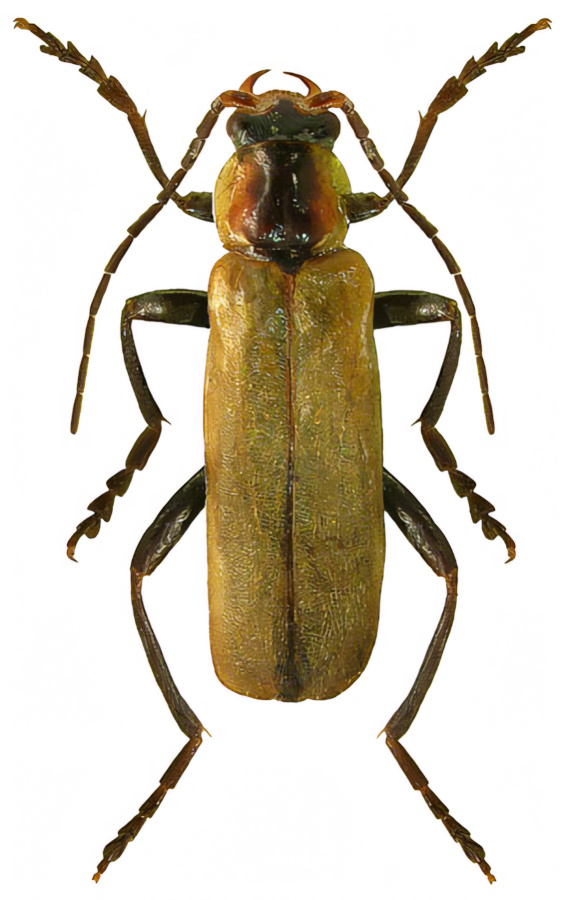
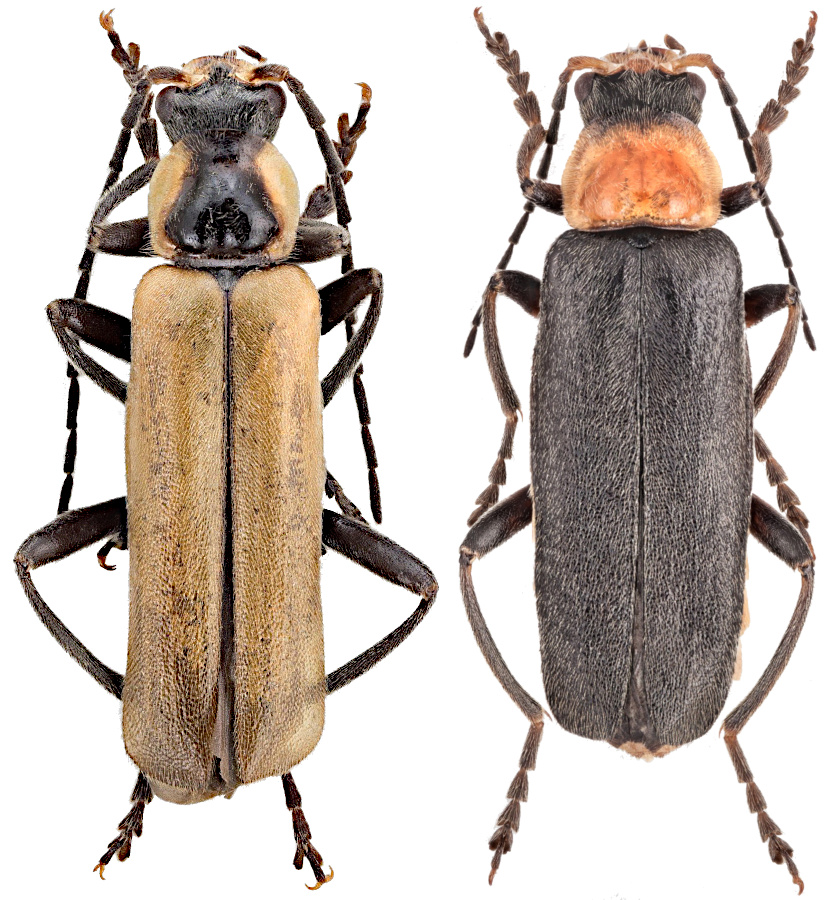
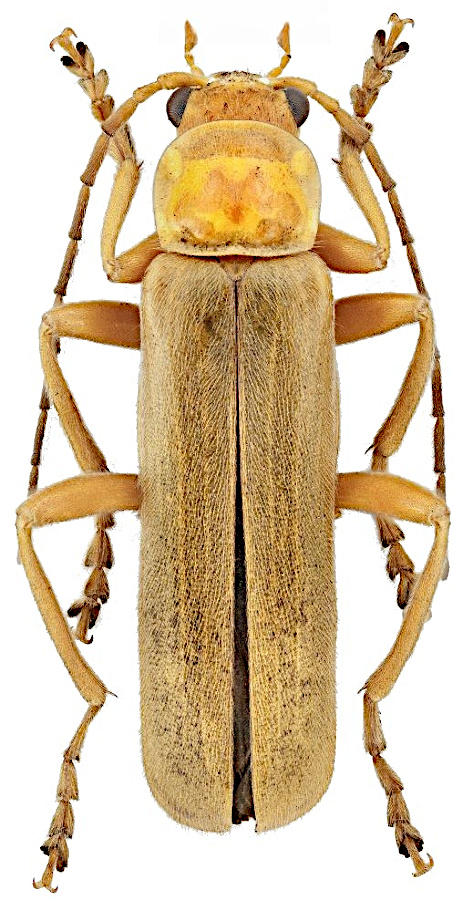
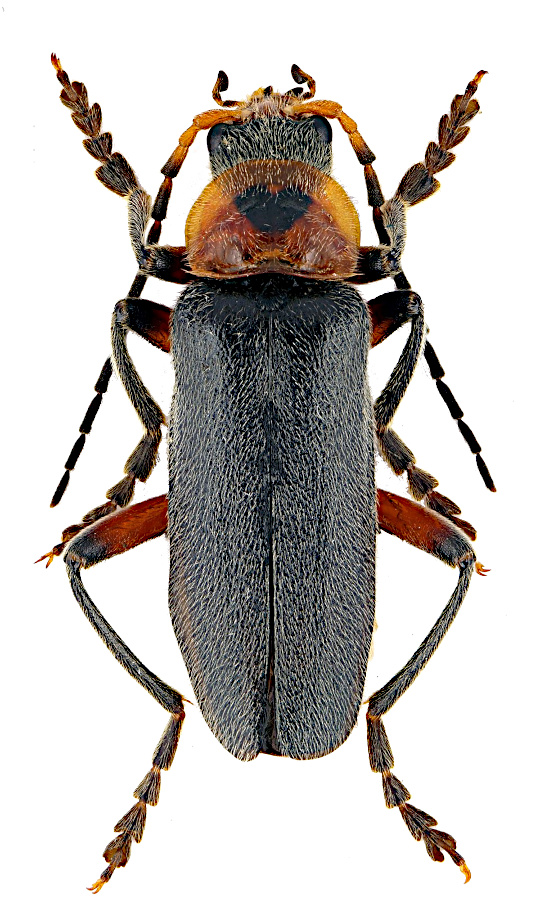
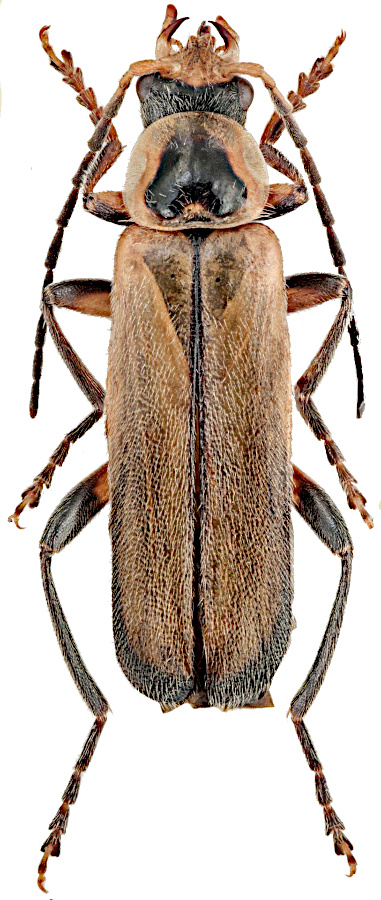
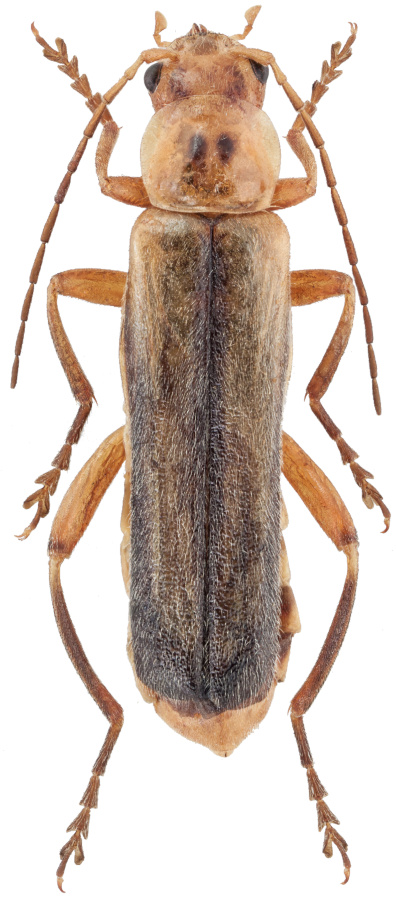
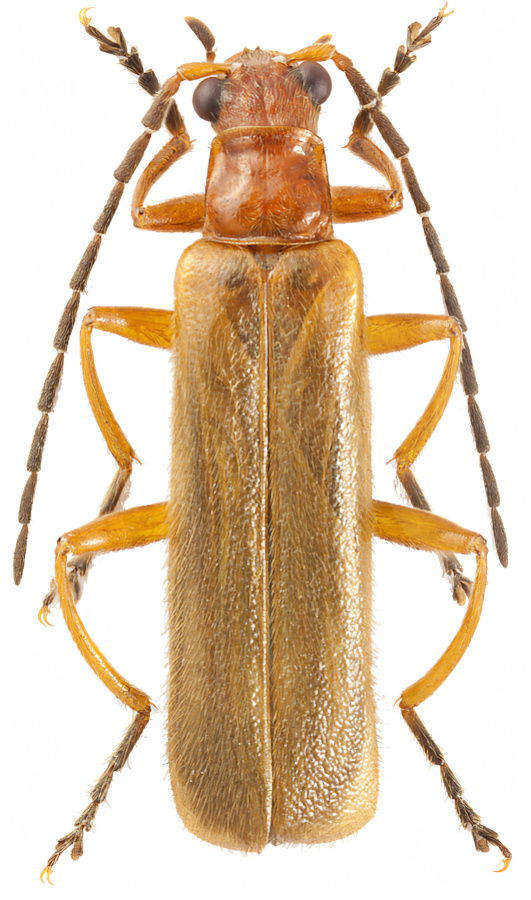
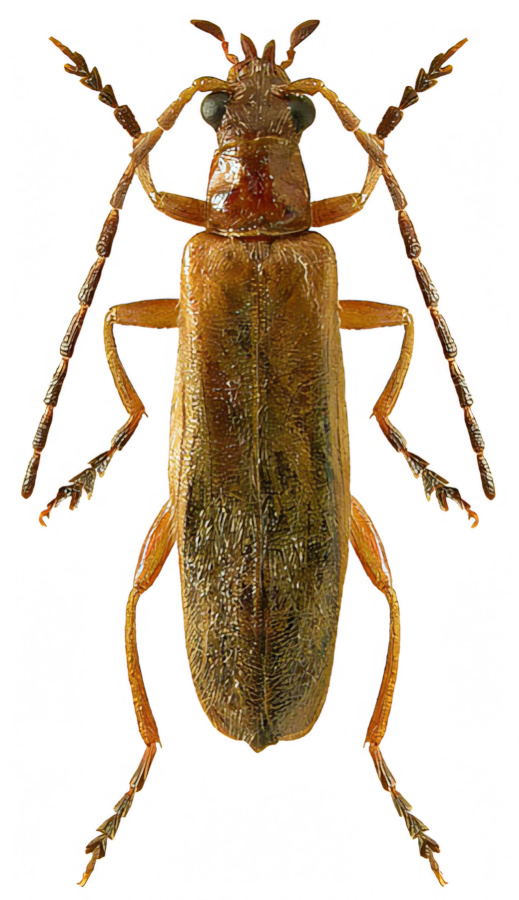

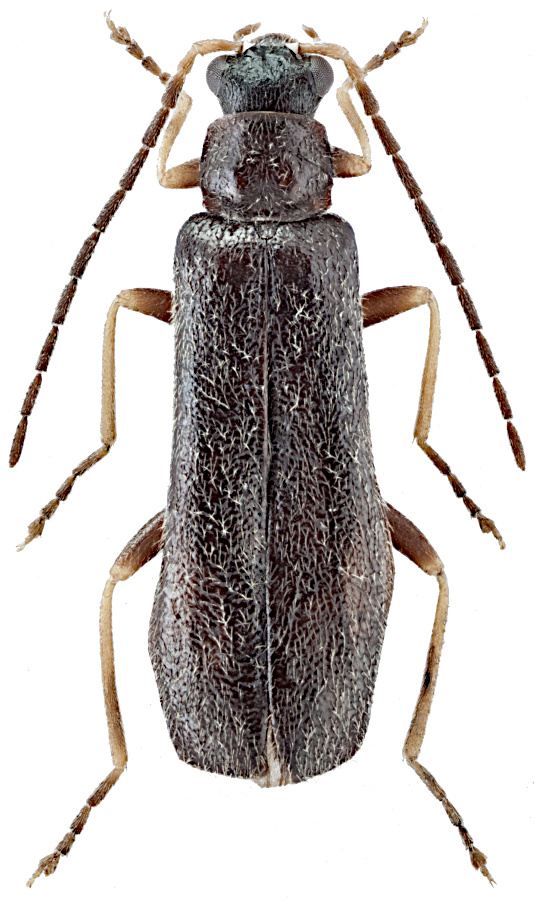
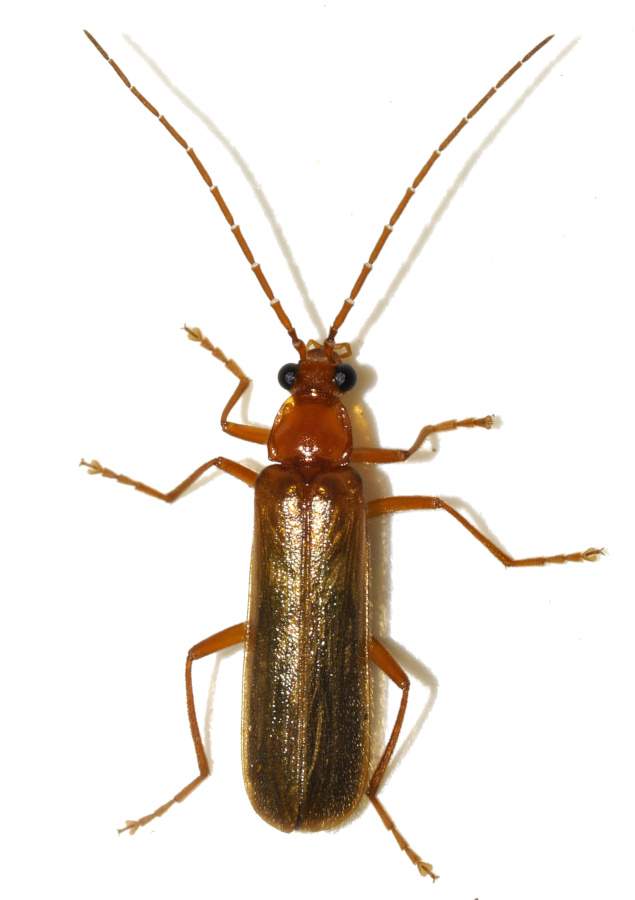
Podabrini (Gistel, 1856) |
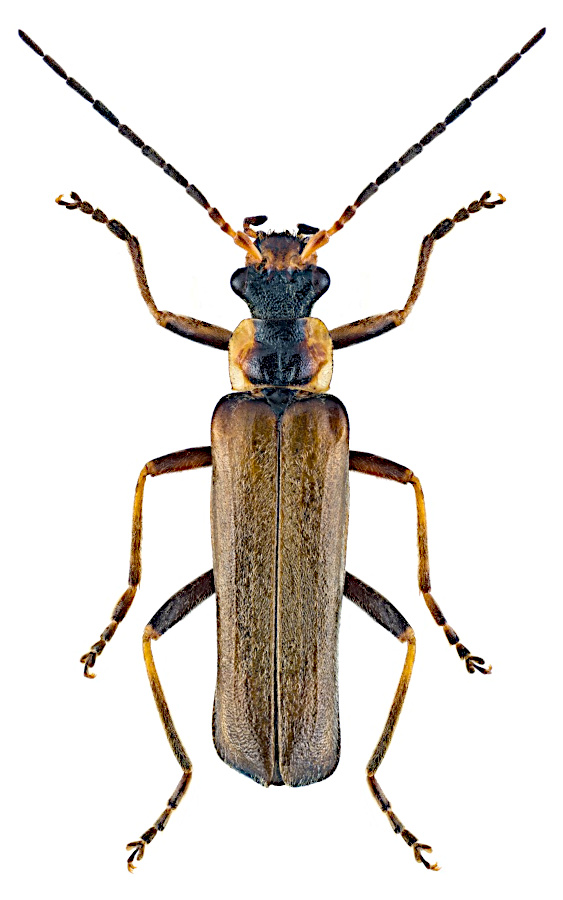
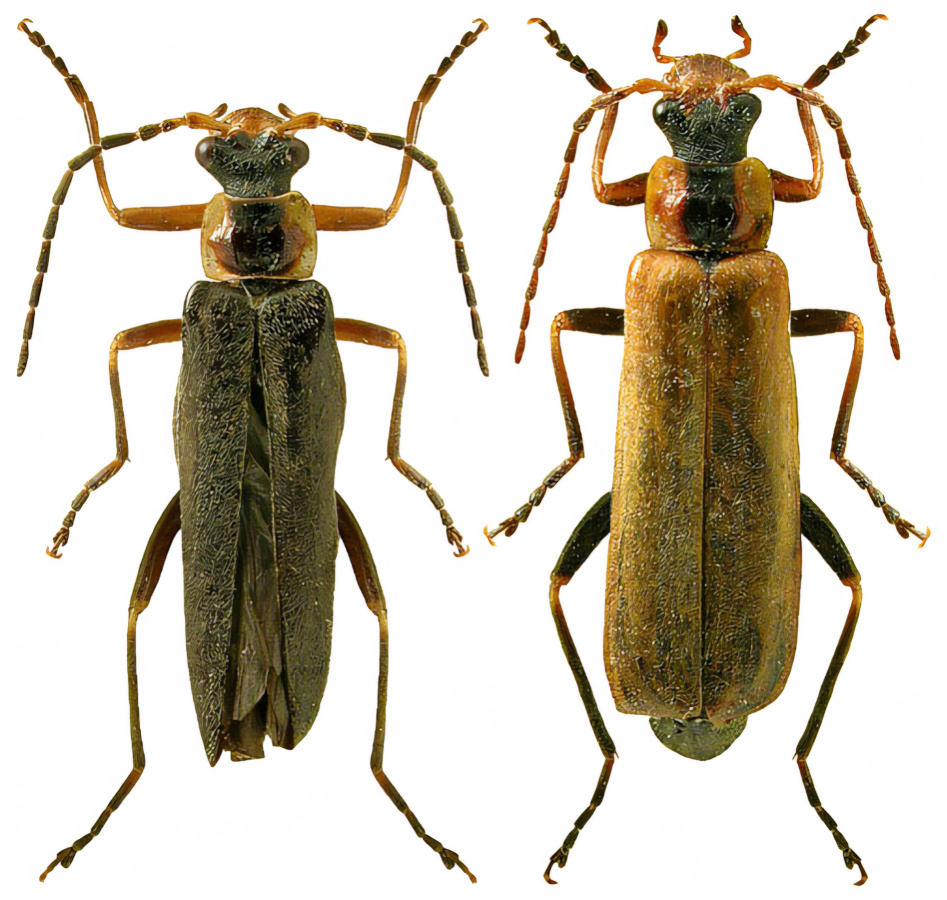
Malthininae (Kiesenwetter, 1852) |
Malchinini (Brancucci, 1980) |
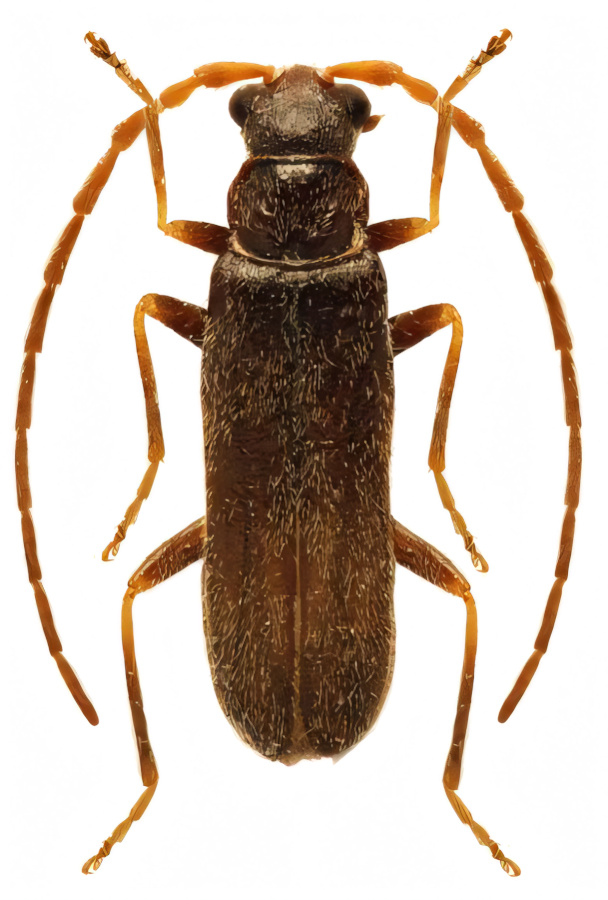
Malthinini (Kiesenwetter, 1852) |
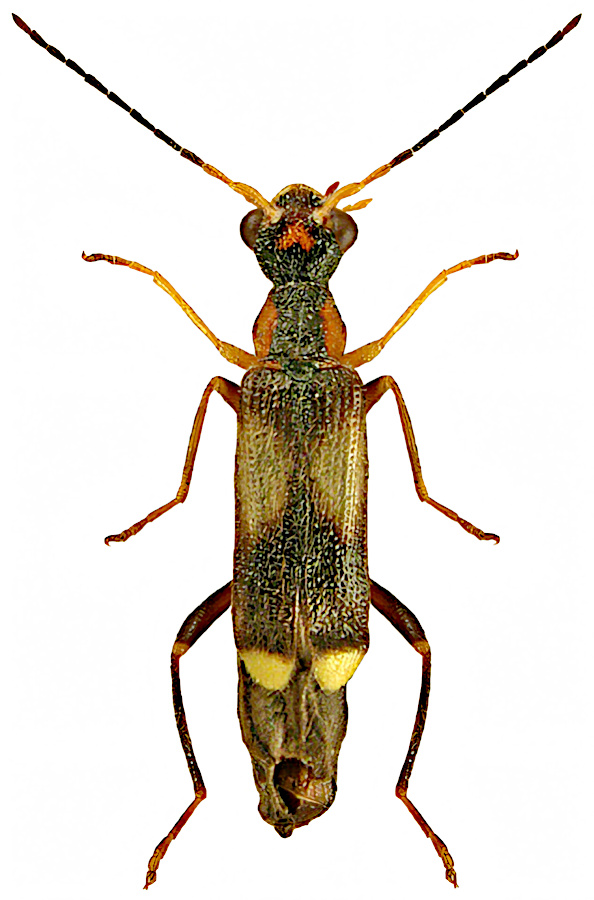
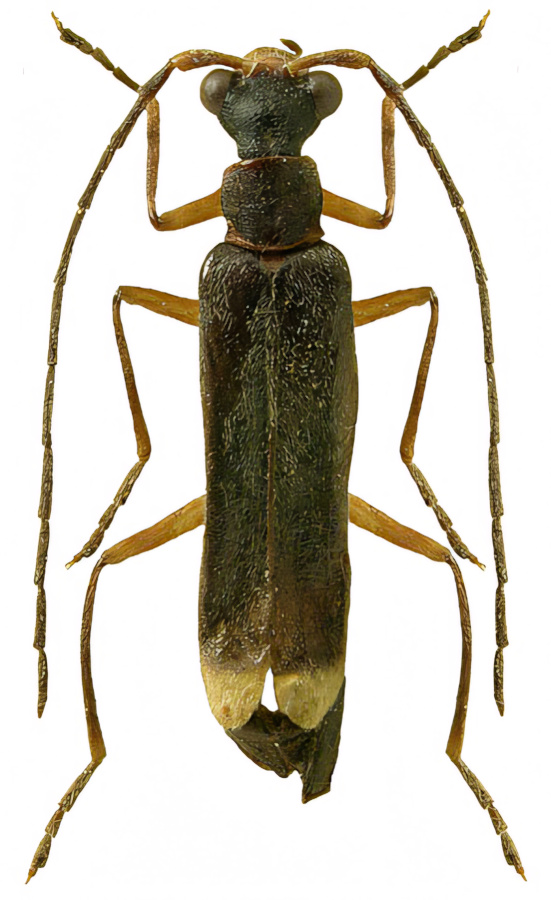
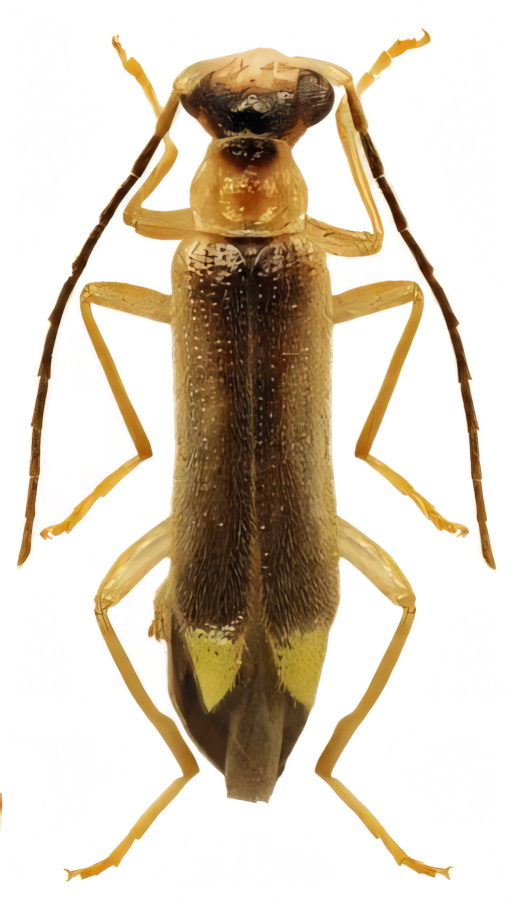
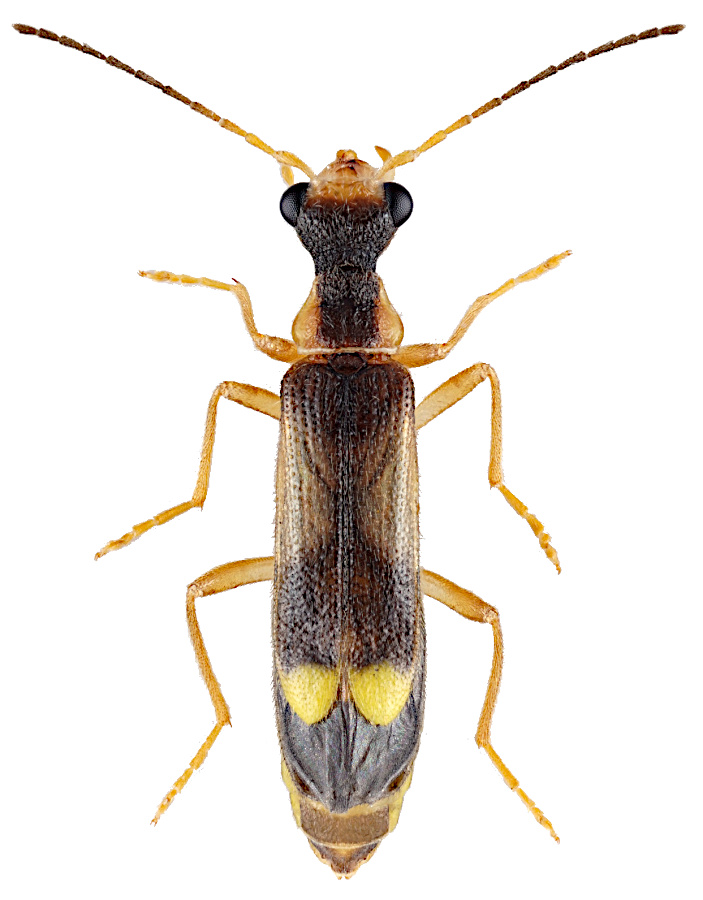
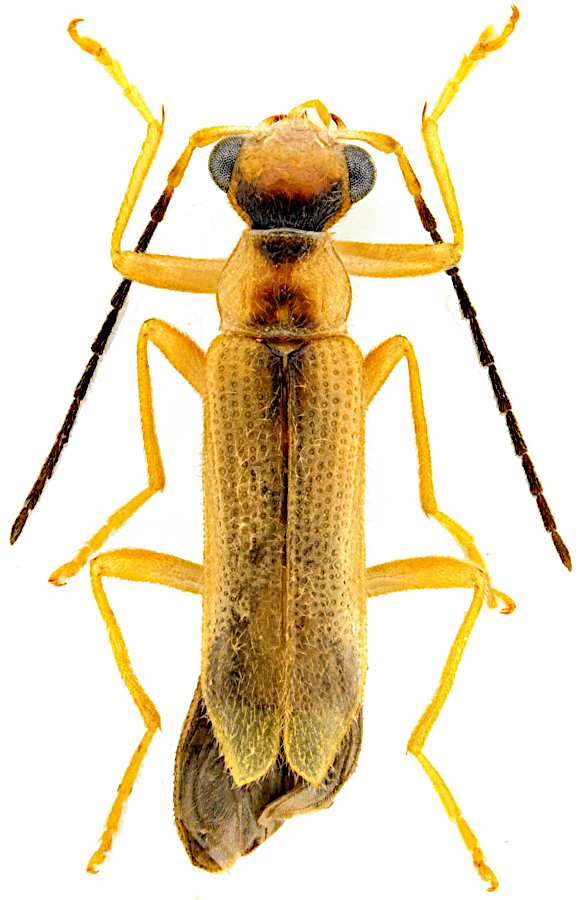
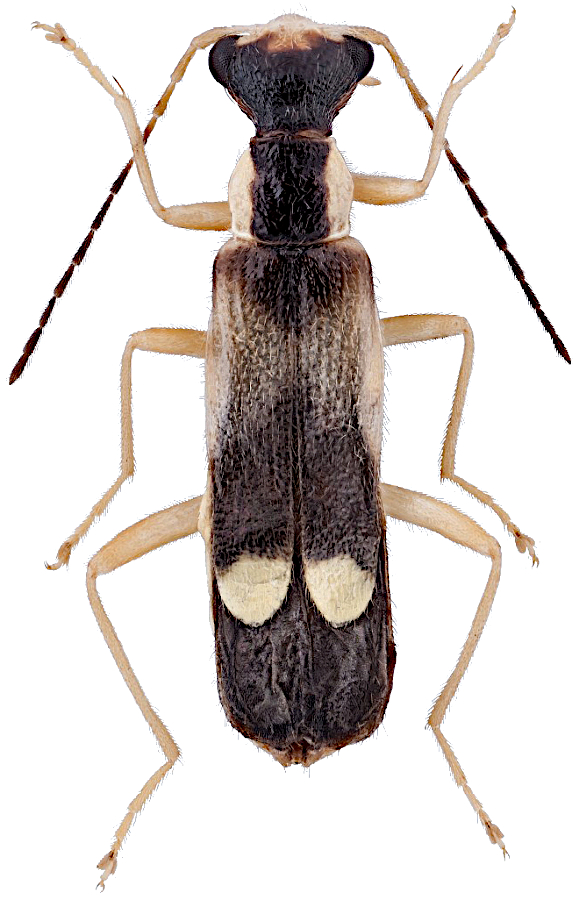
Malthodini (Böving & Craighead, 1931) |
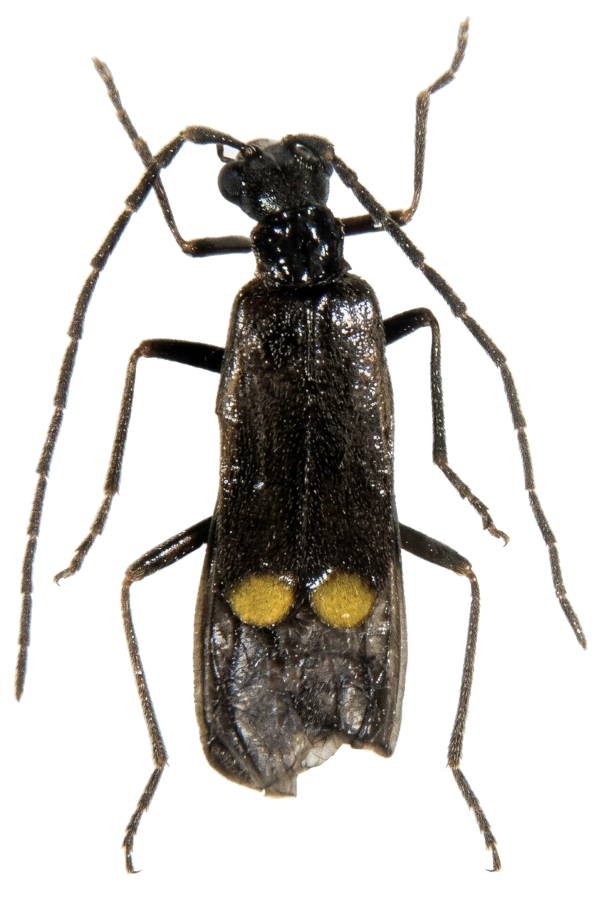
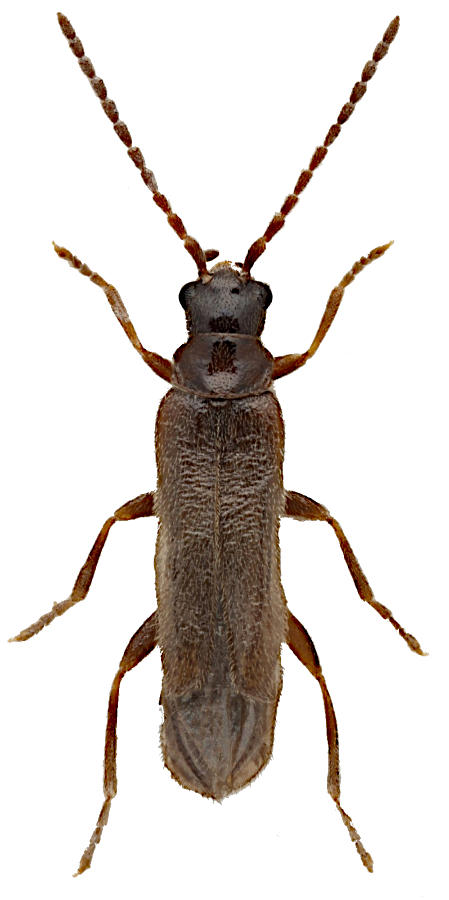
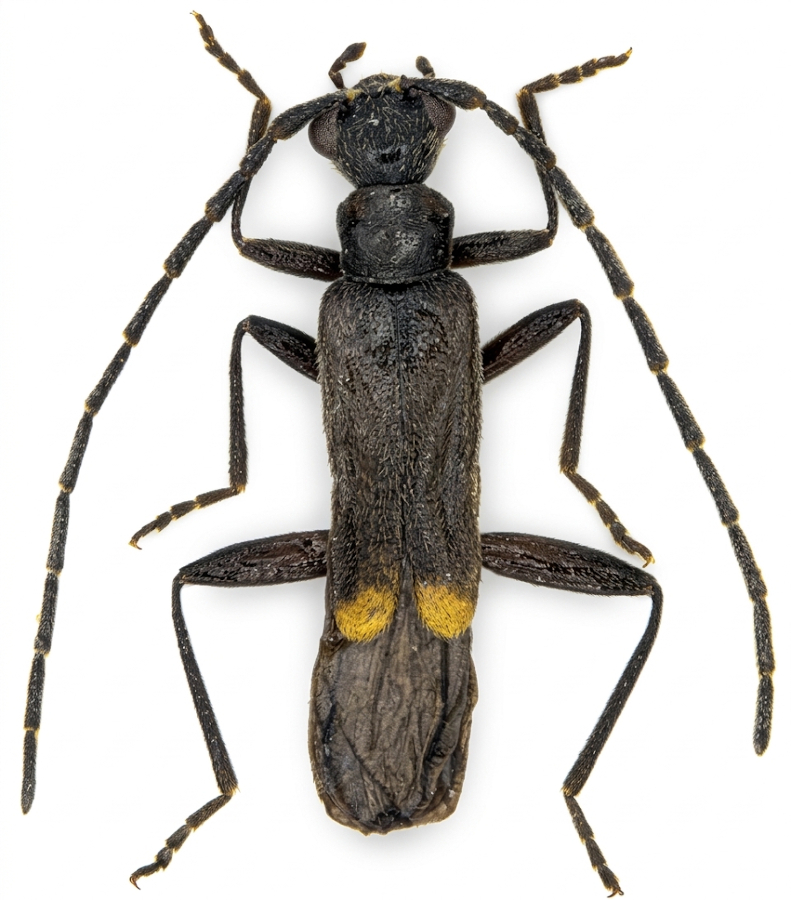
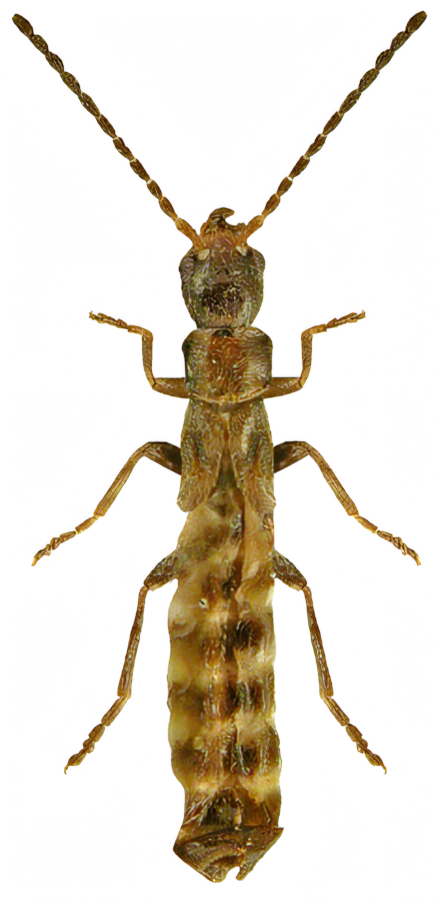
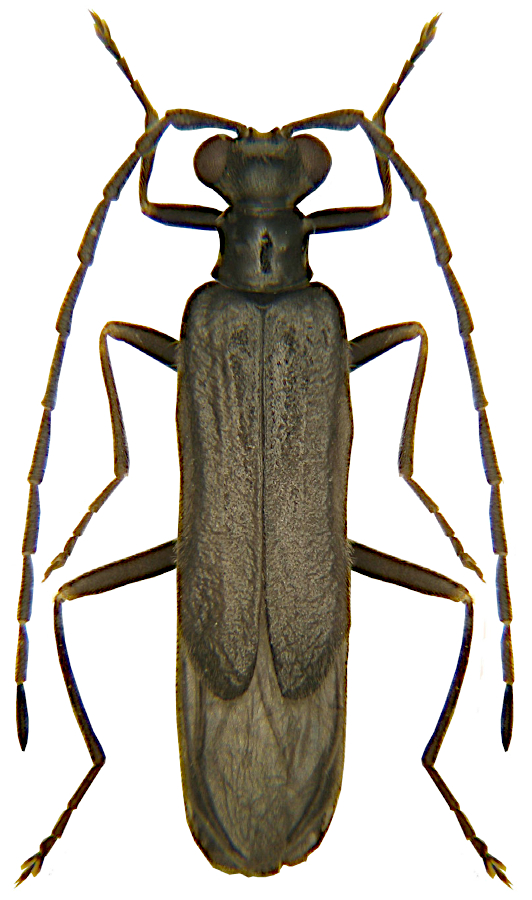
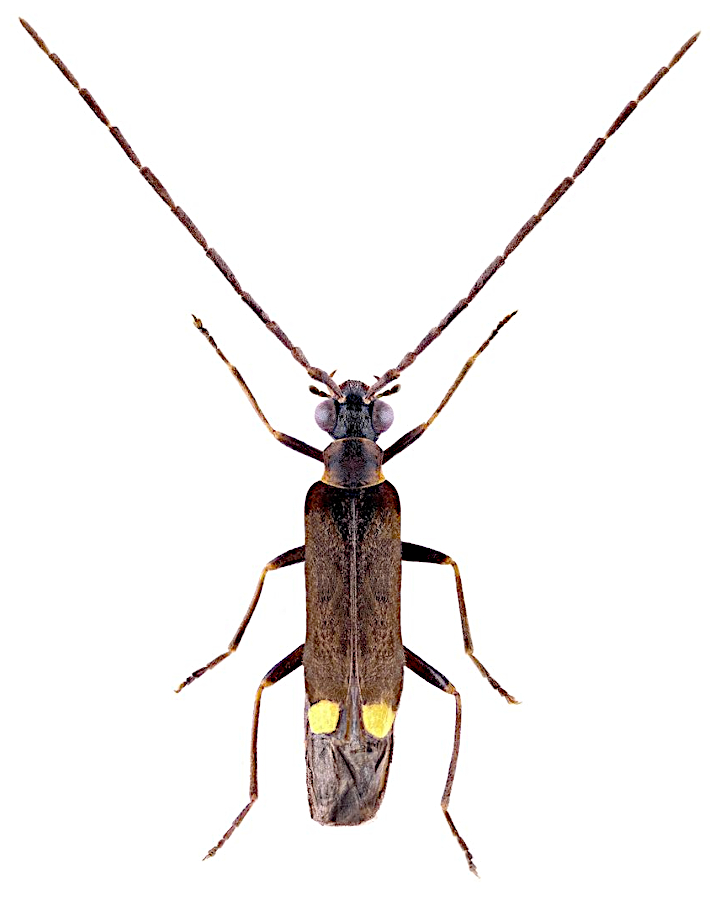


Silinae (Mulsant, 1862) |
Silini (Mulsant, 1862) |