The Family Atlas |
| Processing Status: | ||
| 39 / 39 | 100% | |
| Size of Species: 1.0 - 4.0 mm |
| Tarsal Formula: 4-4-4 (generally appears as 3-3-3, as the basal segments are usually minute and difficult to see) or, in exceptional cases 3-3-3 |
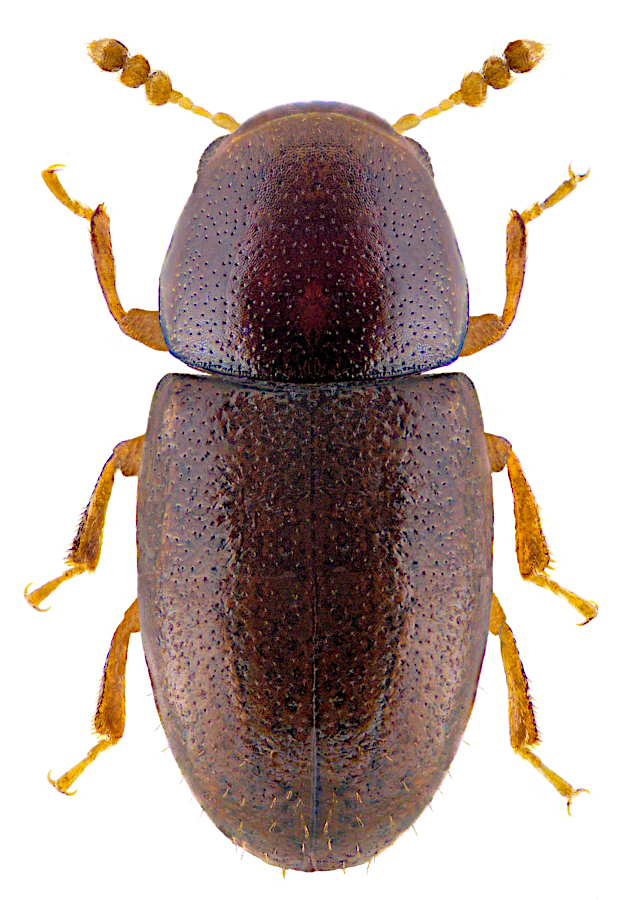
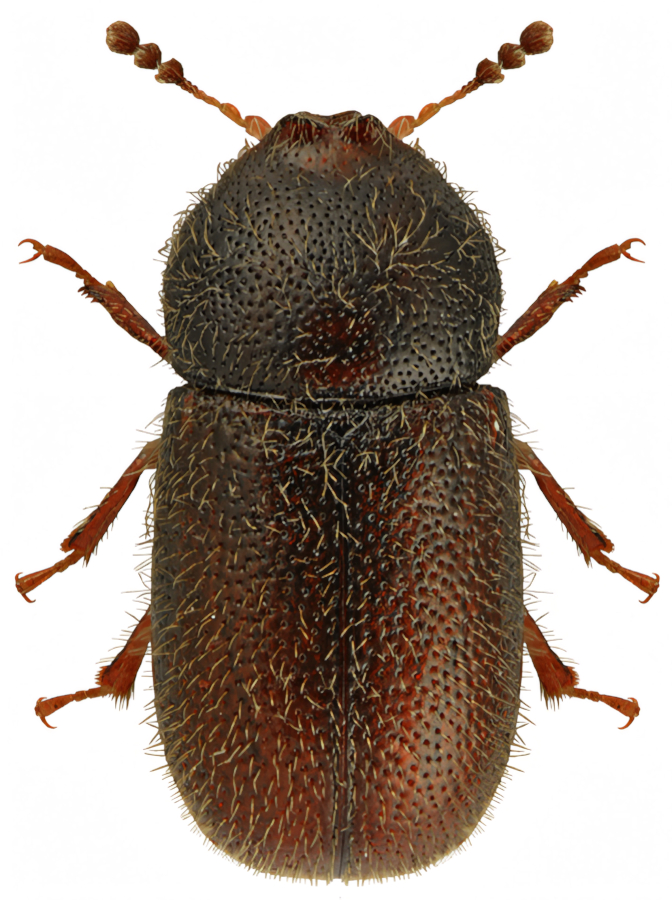
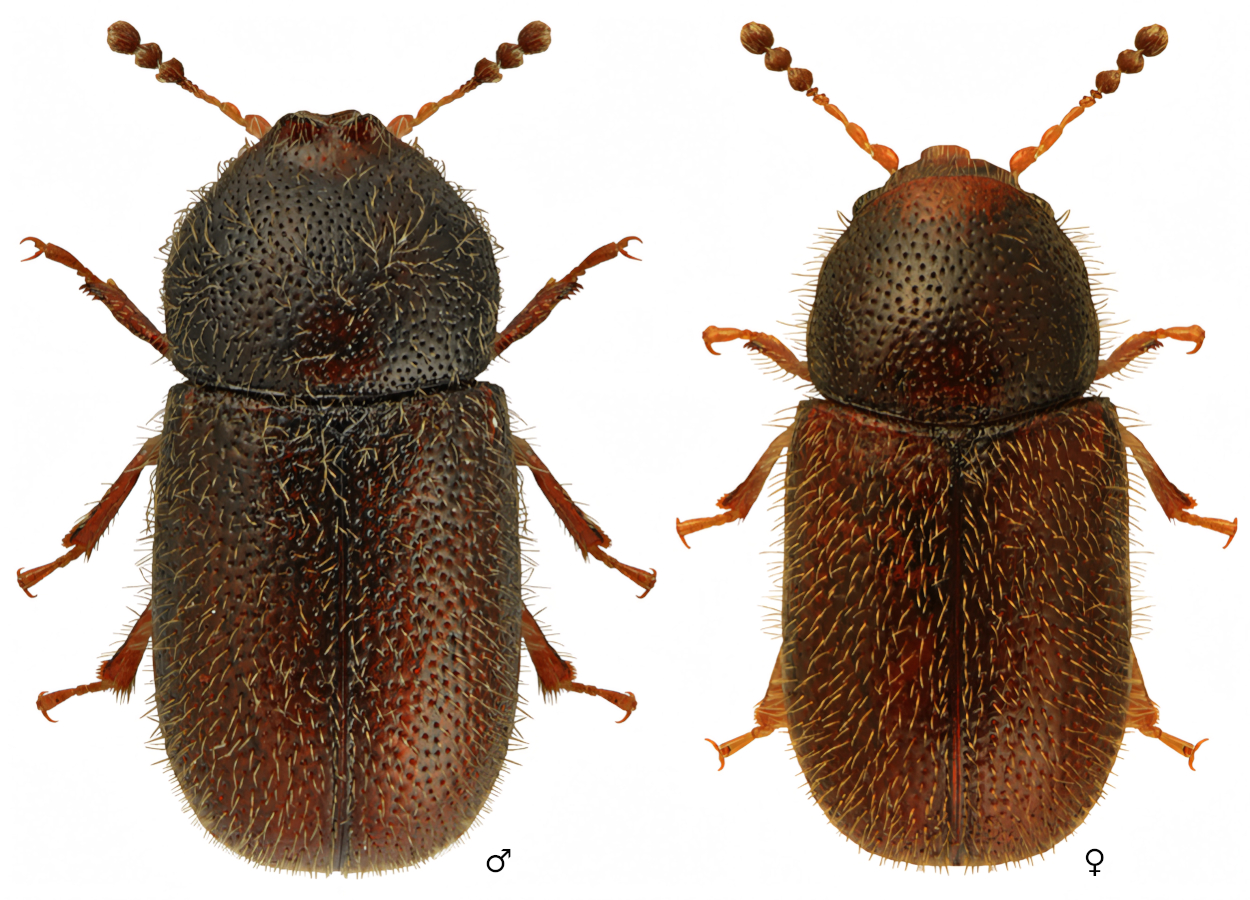
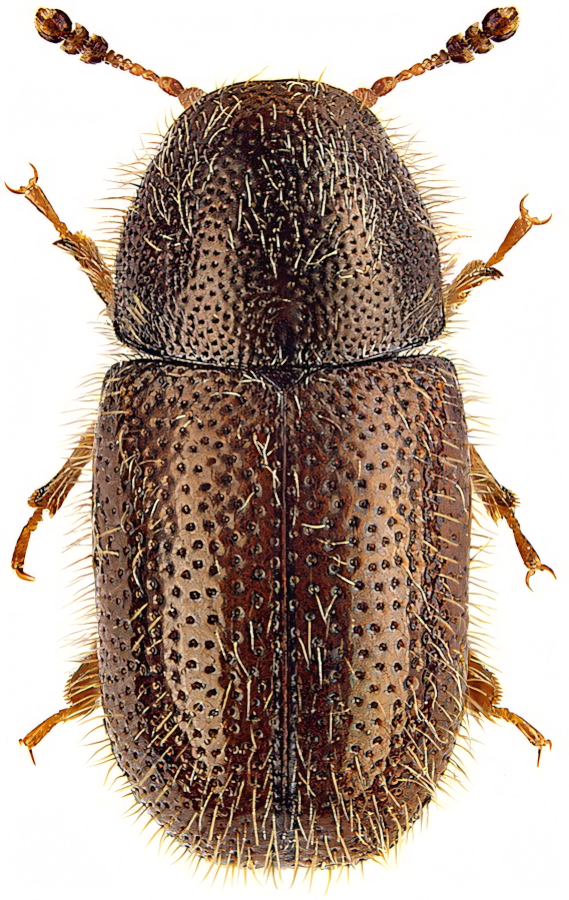
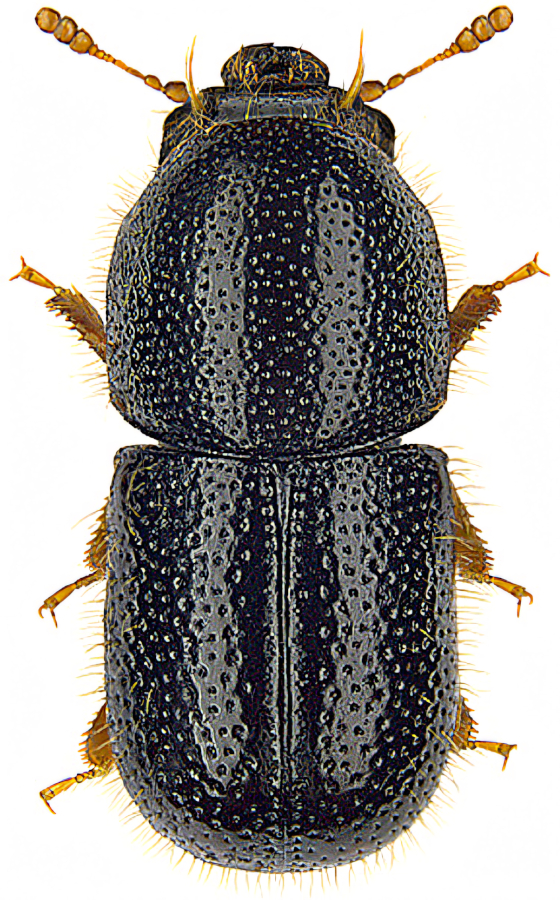
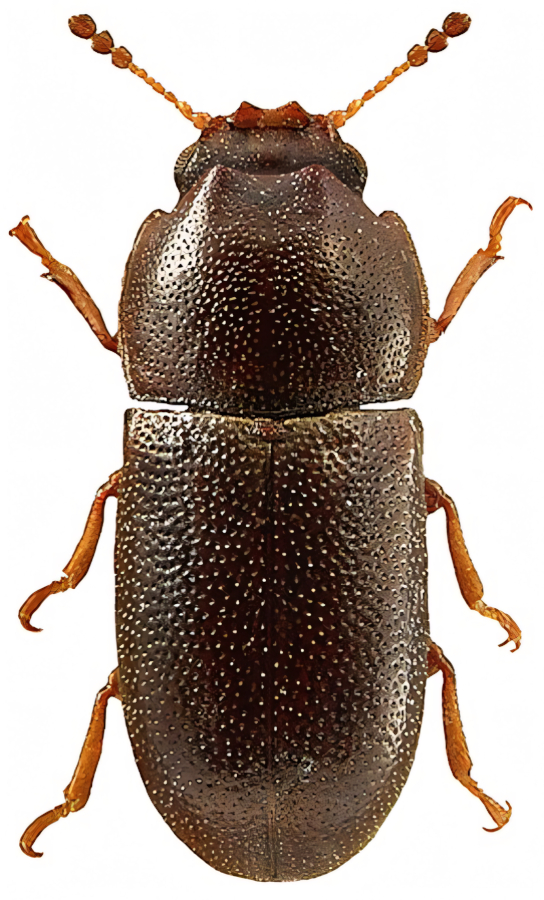
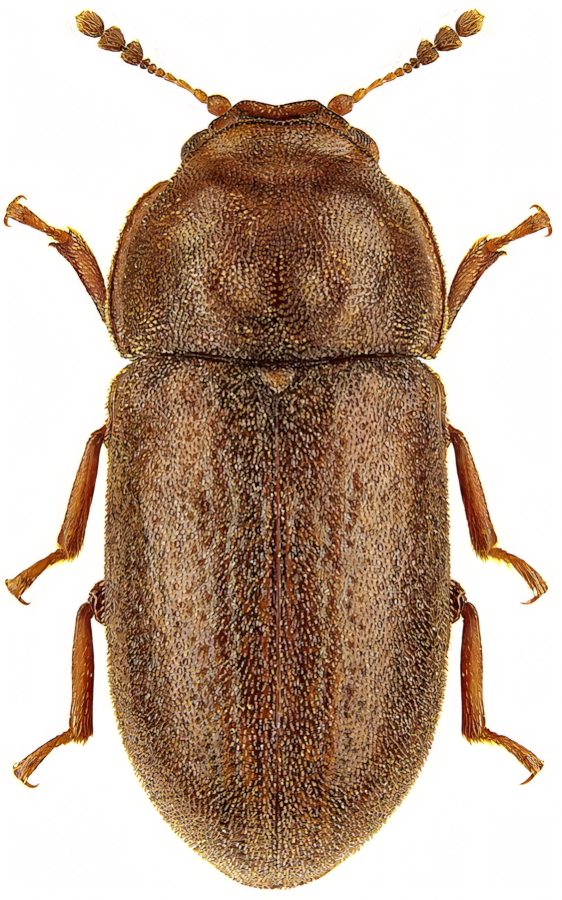
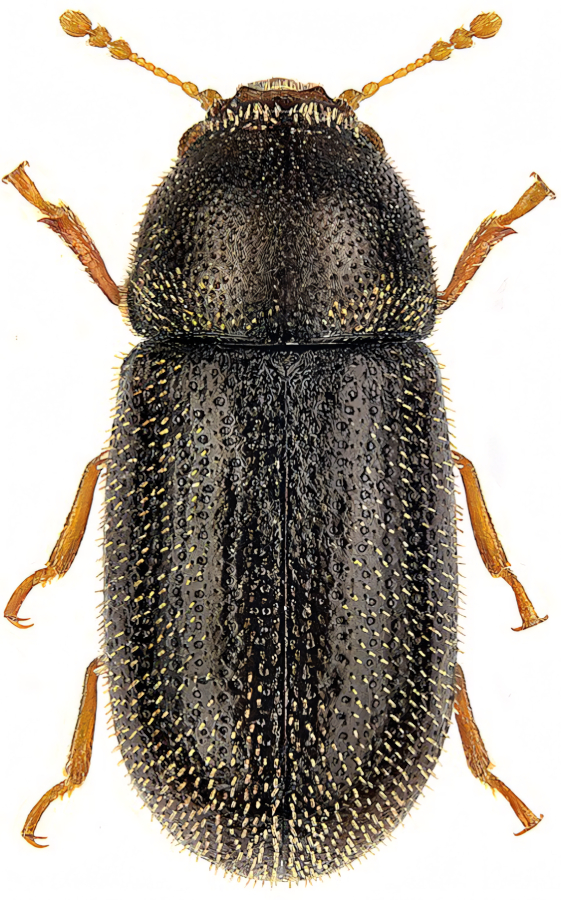
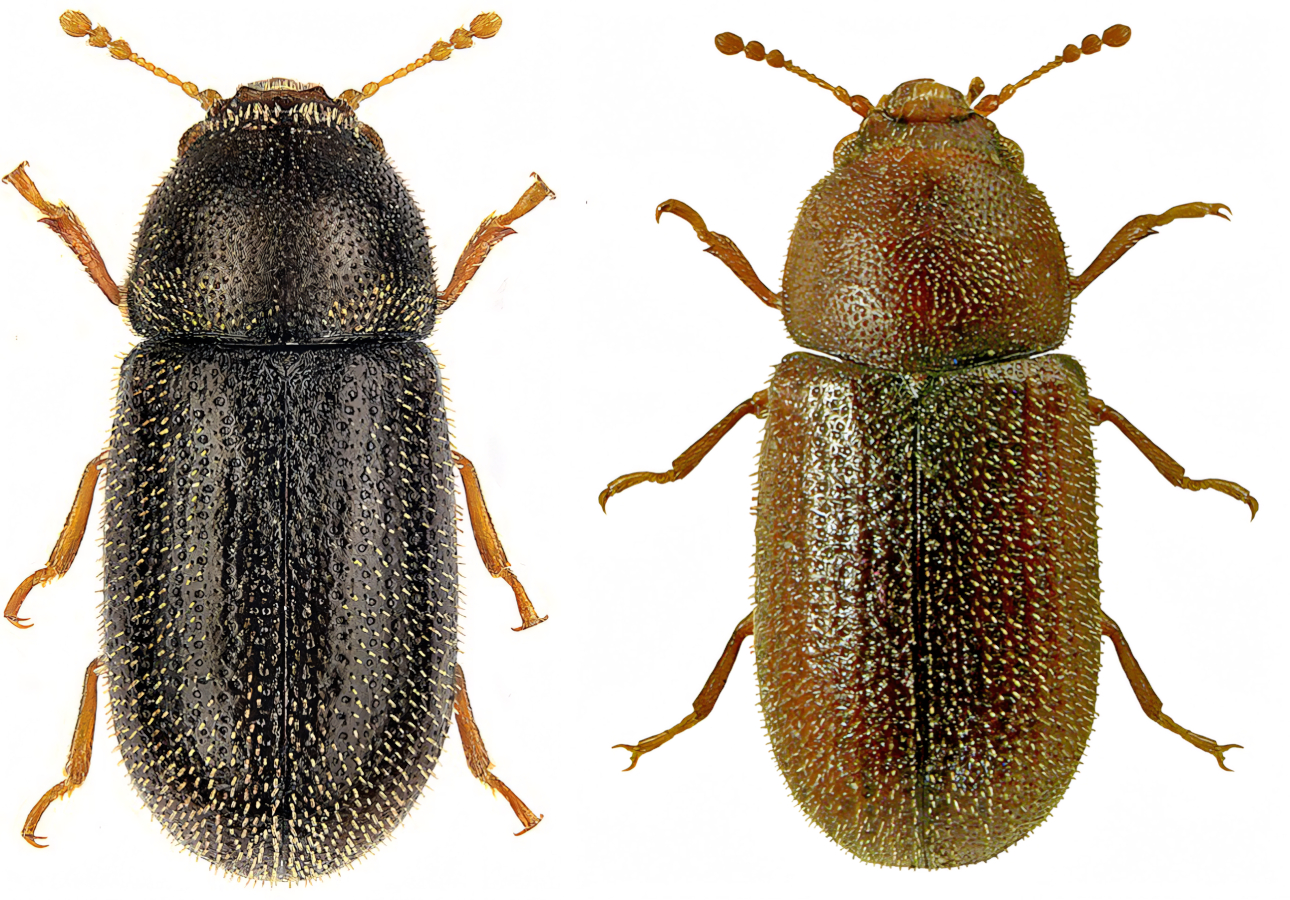
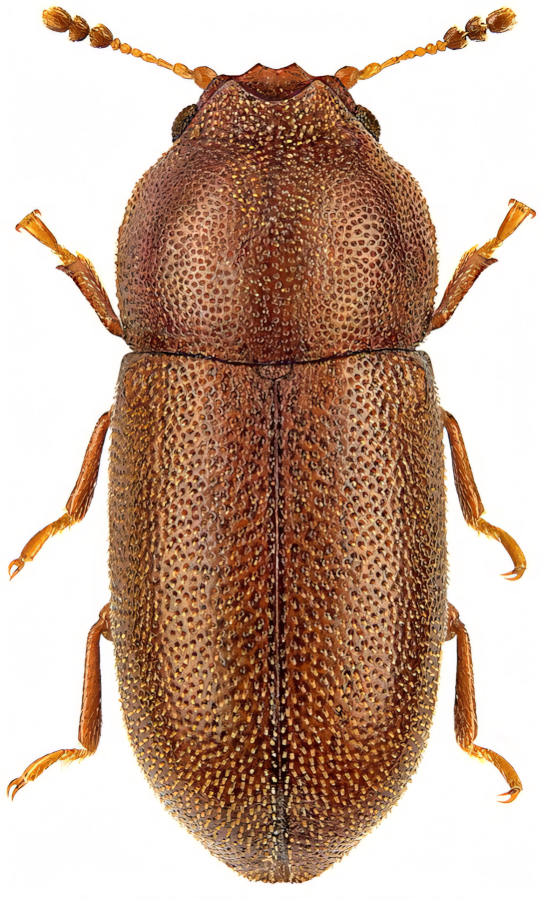
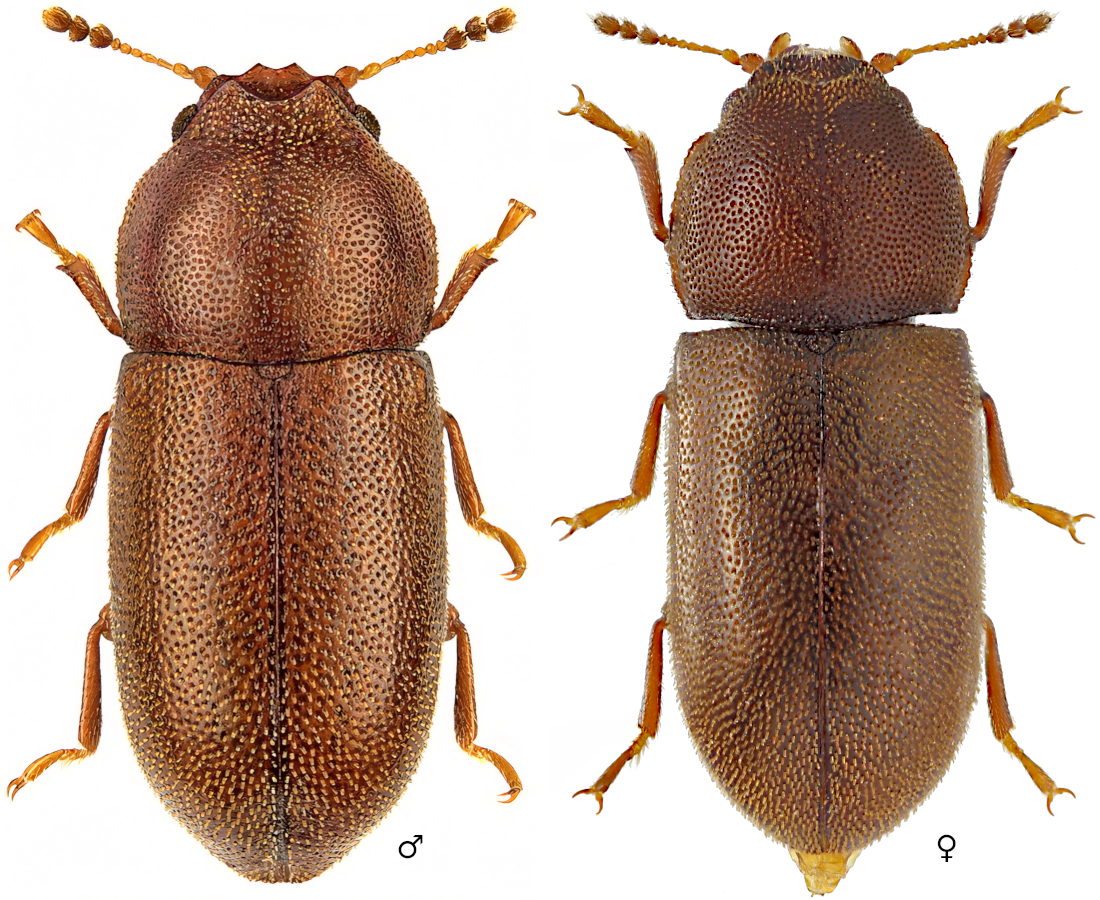
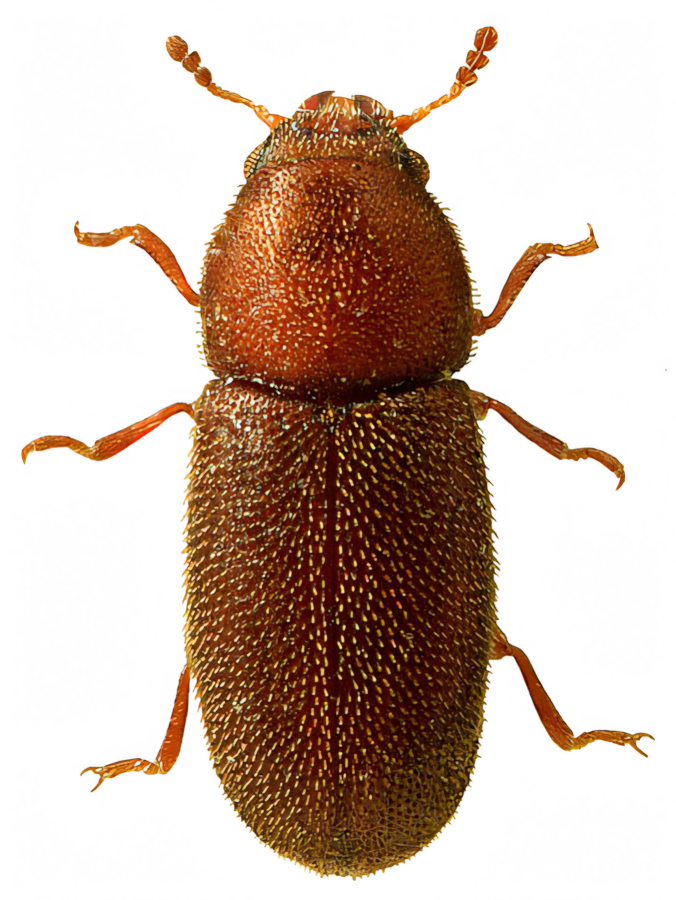
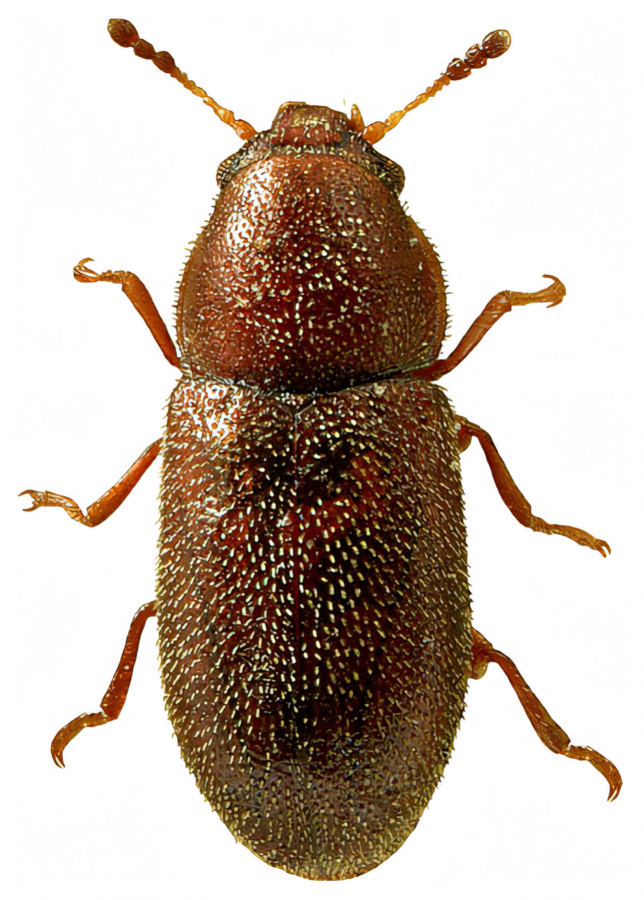
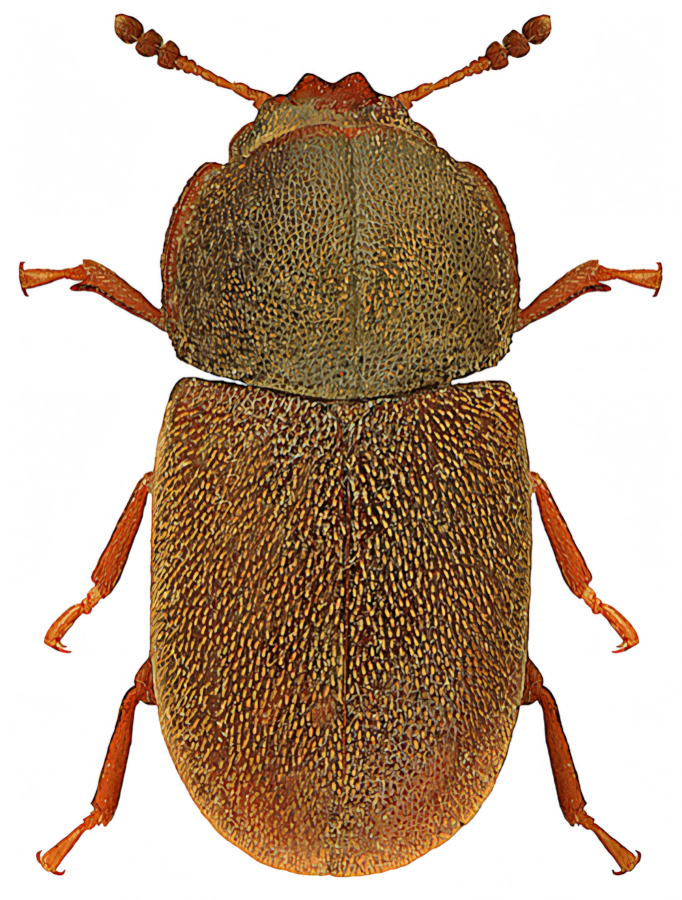
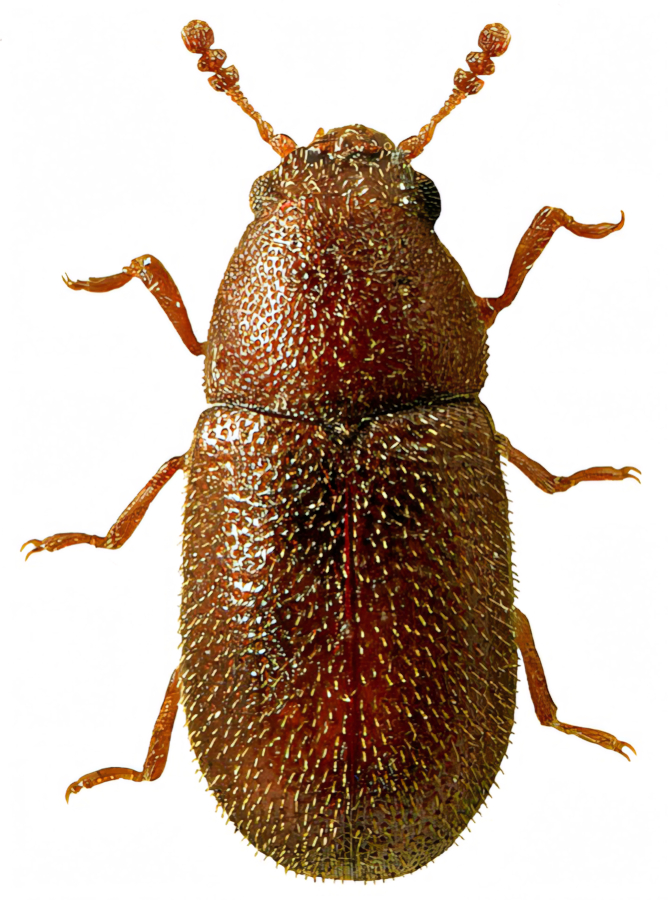
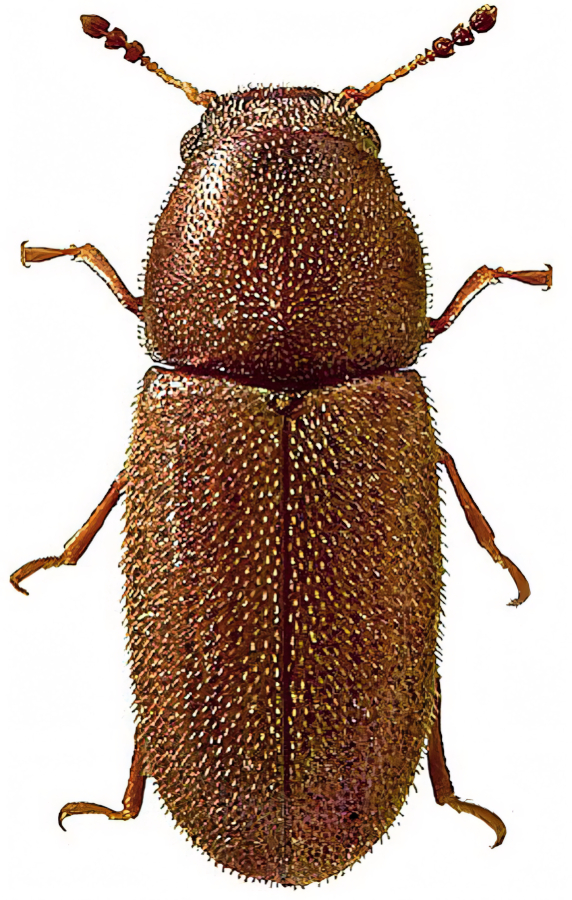
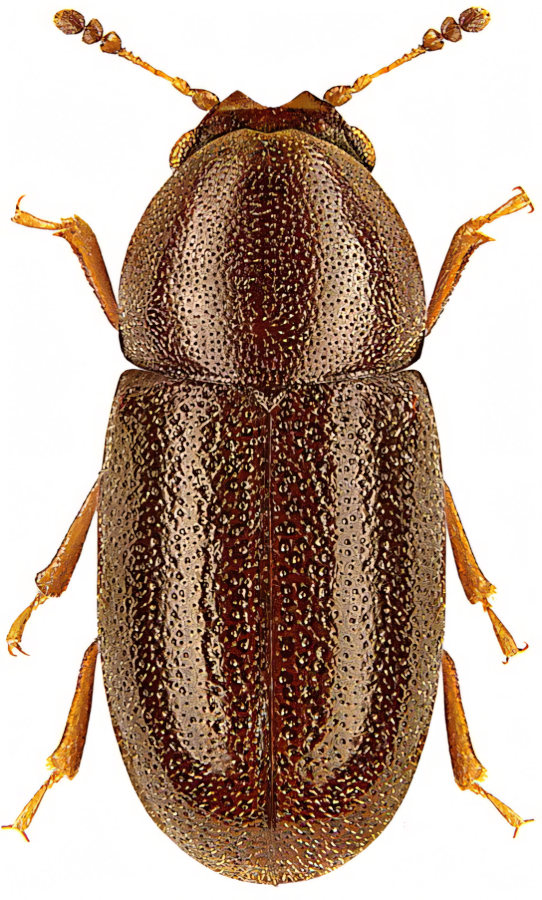
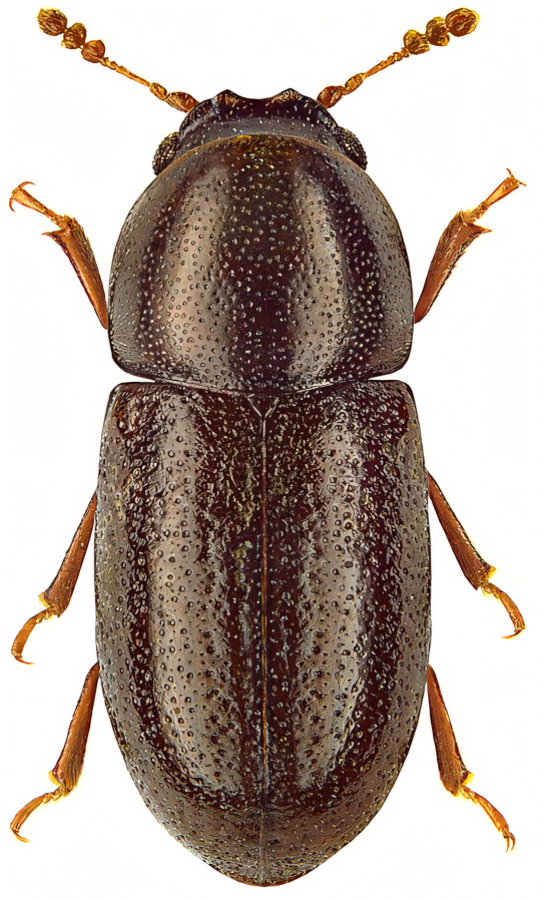
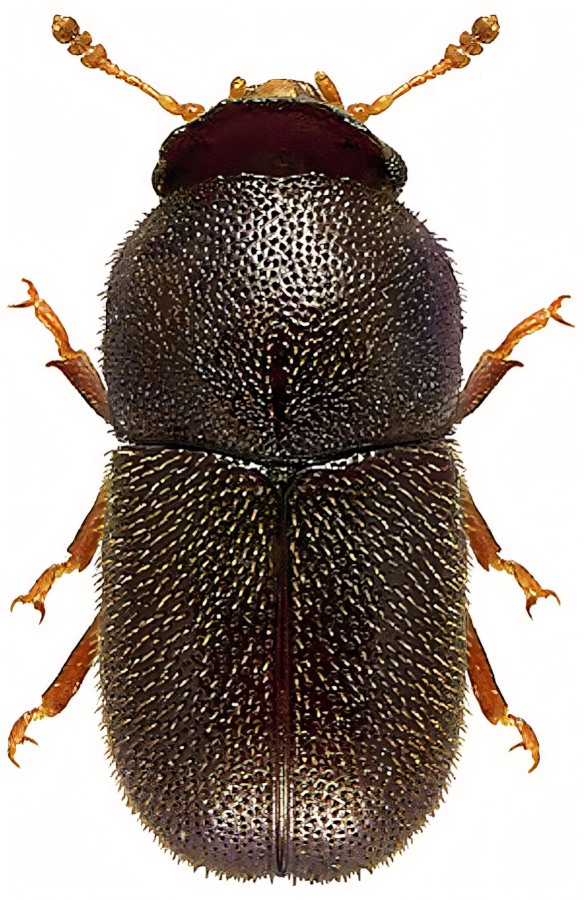
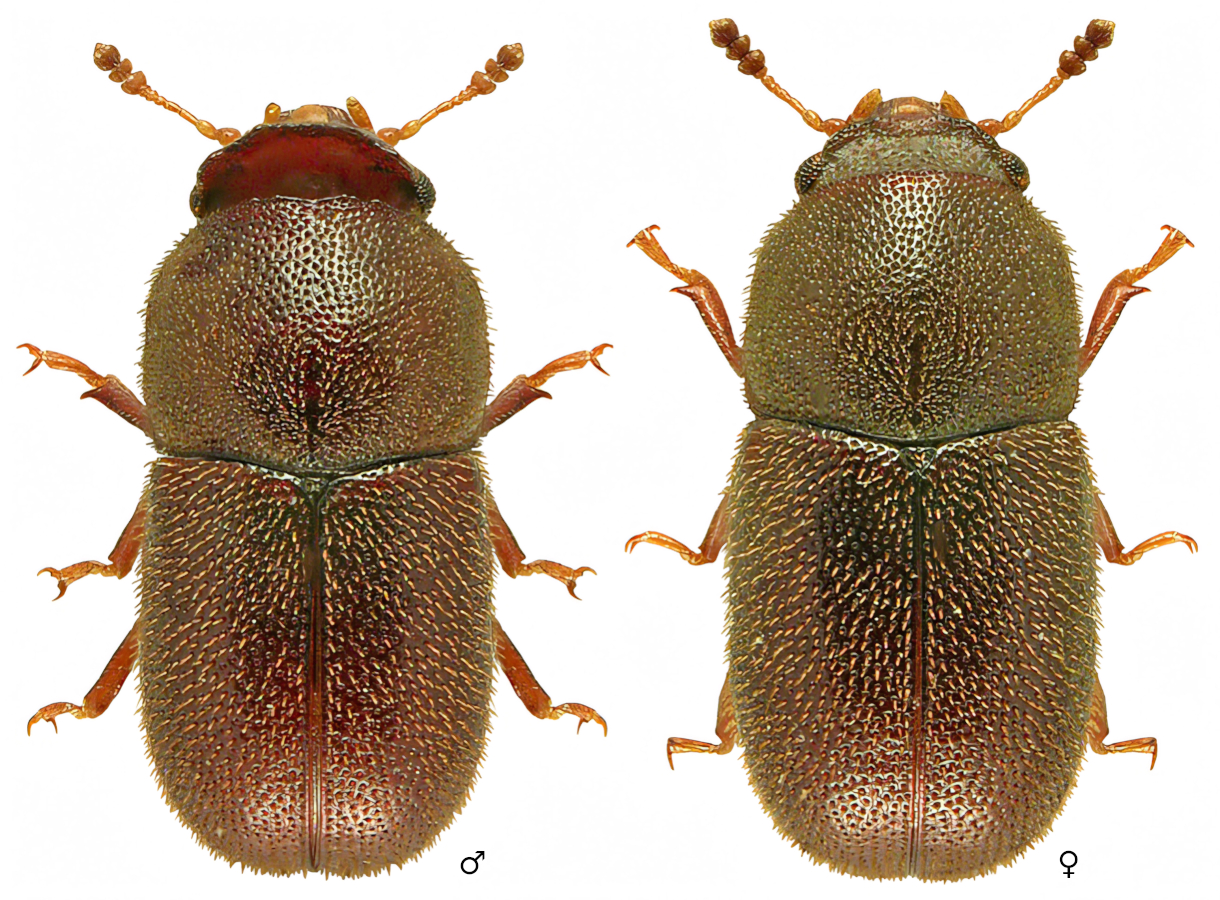
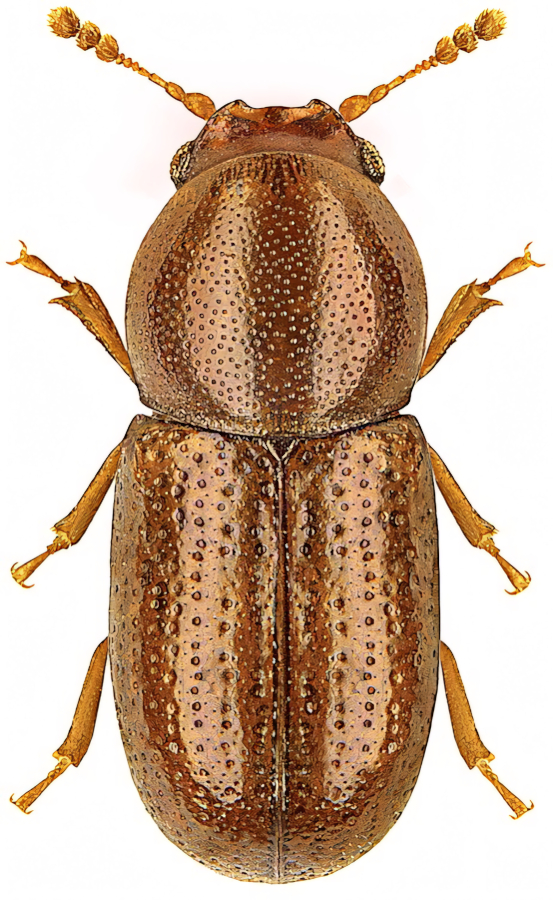
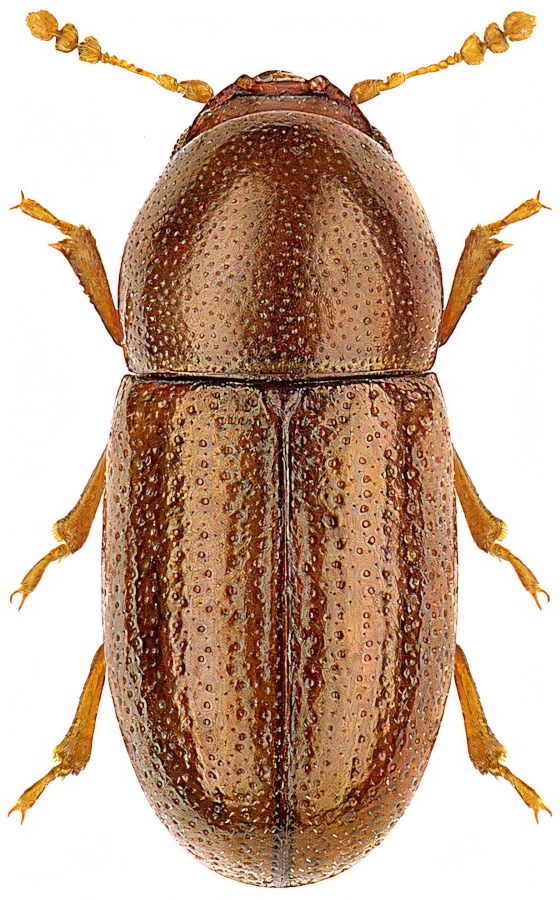
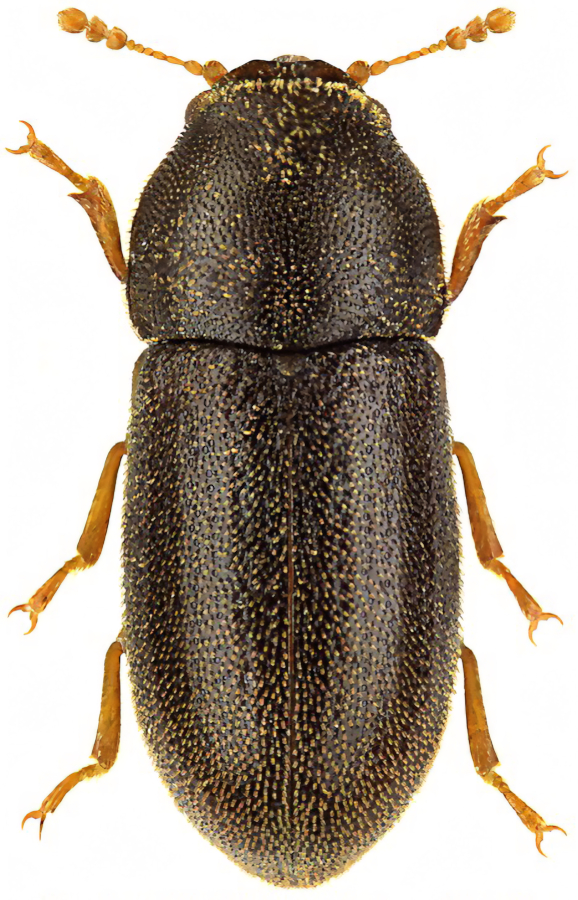
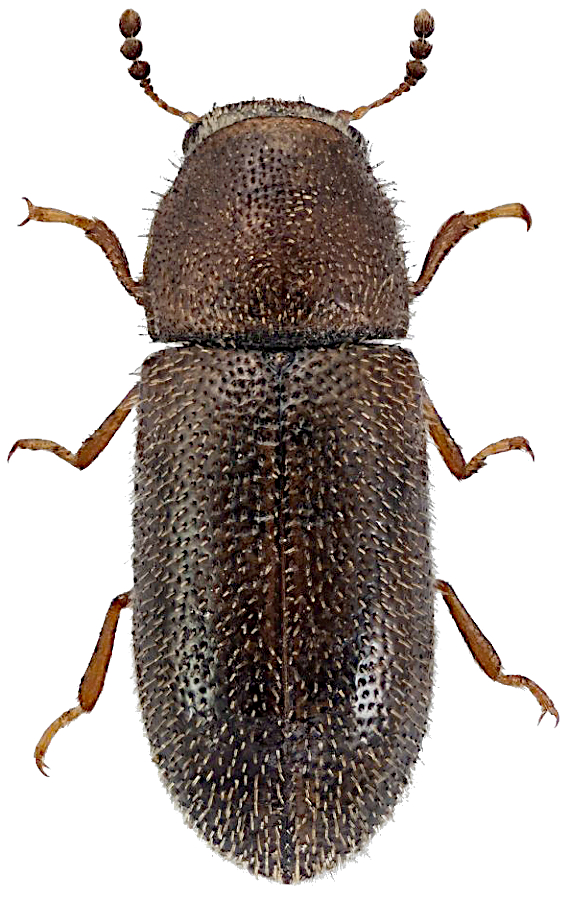
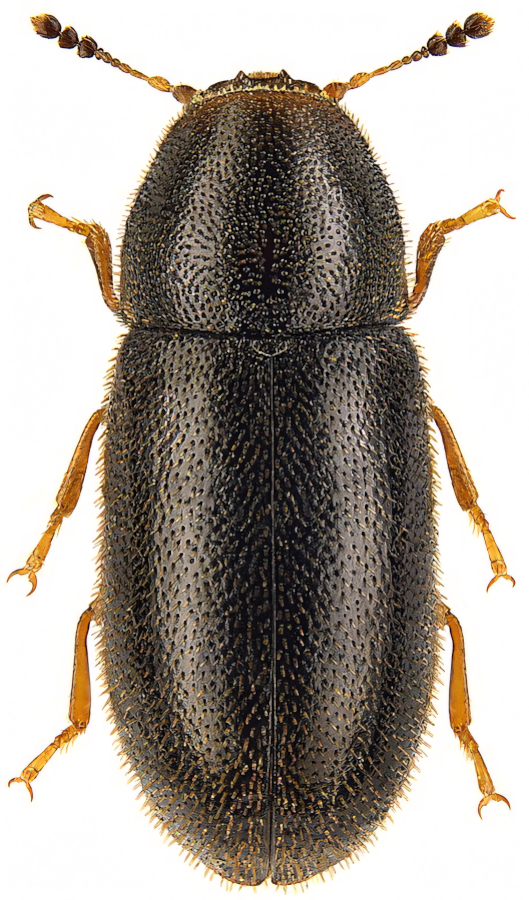
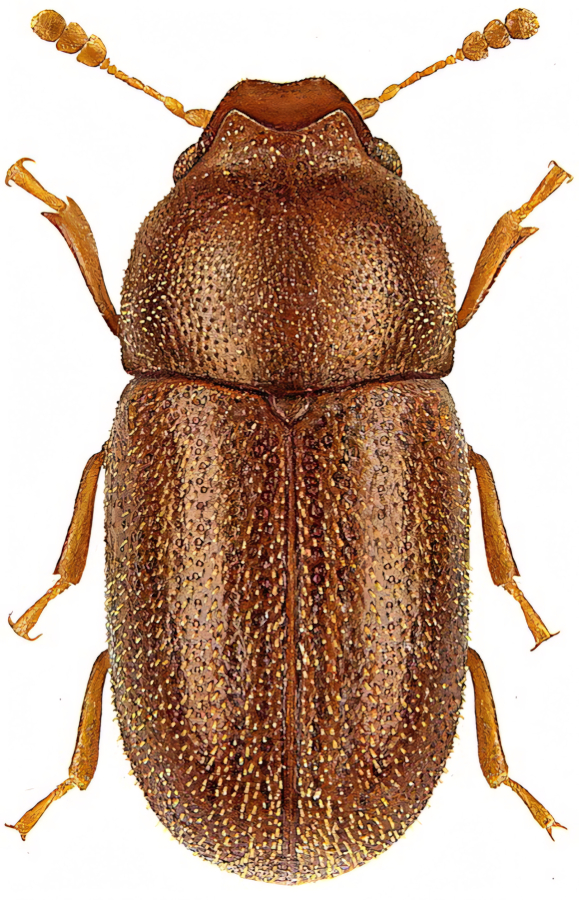
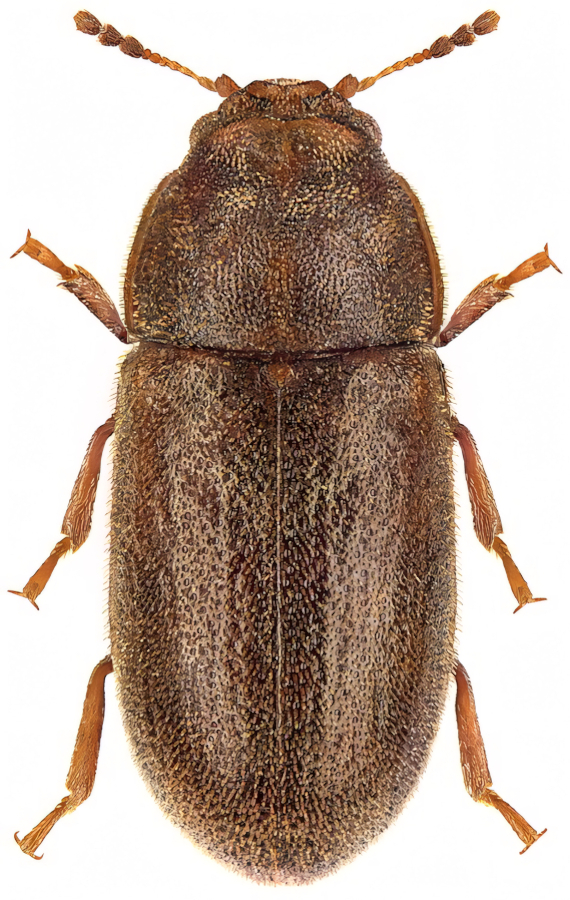
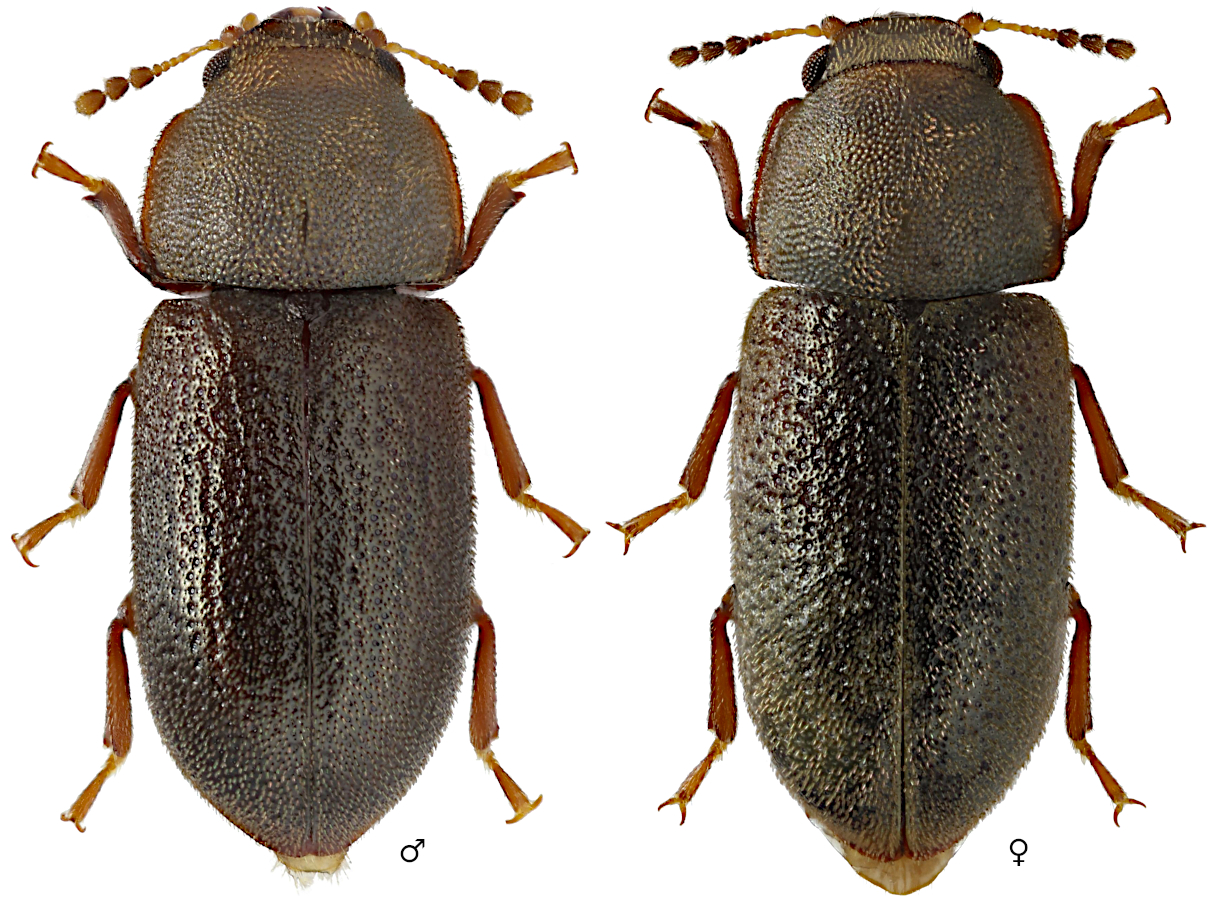
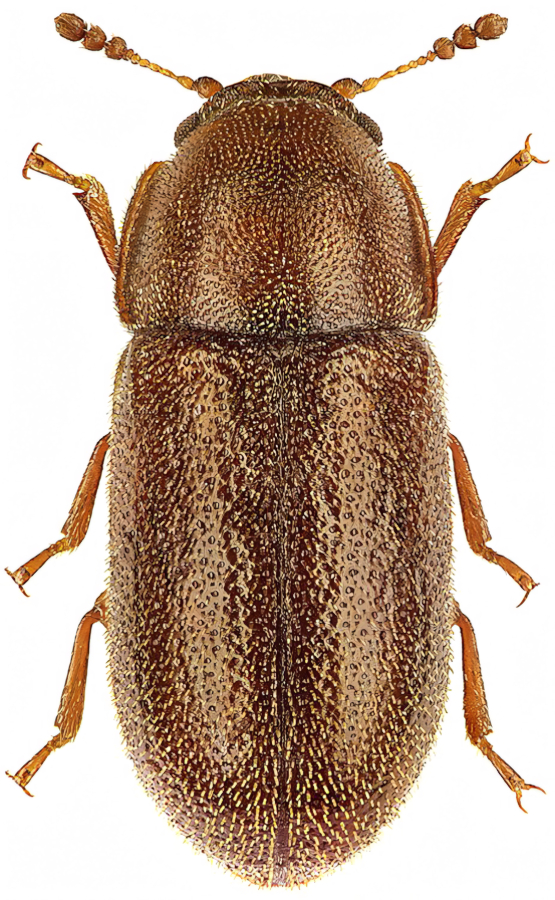
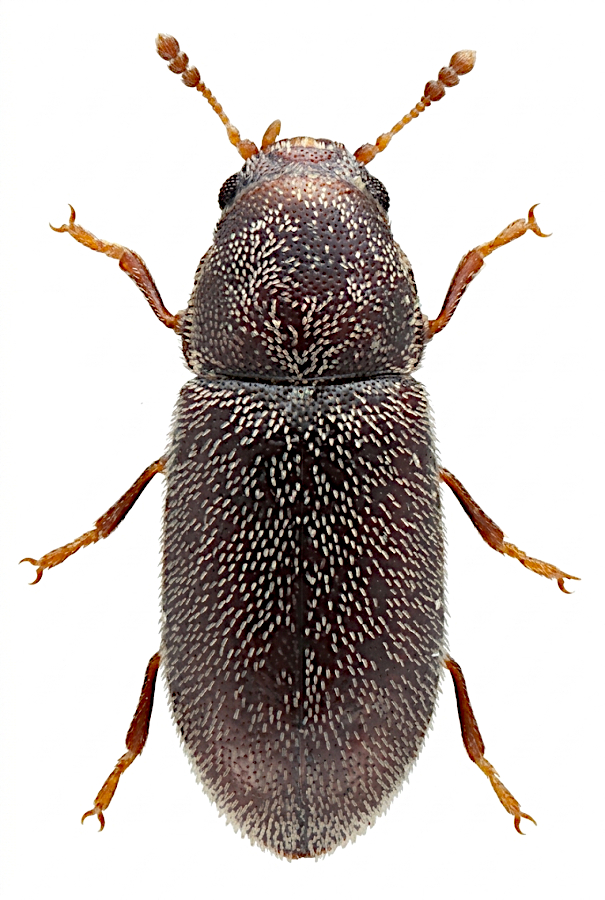
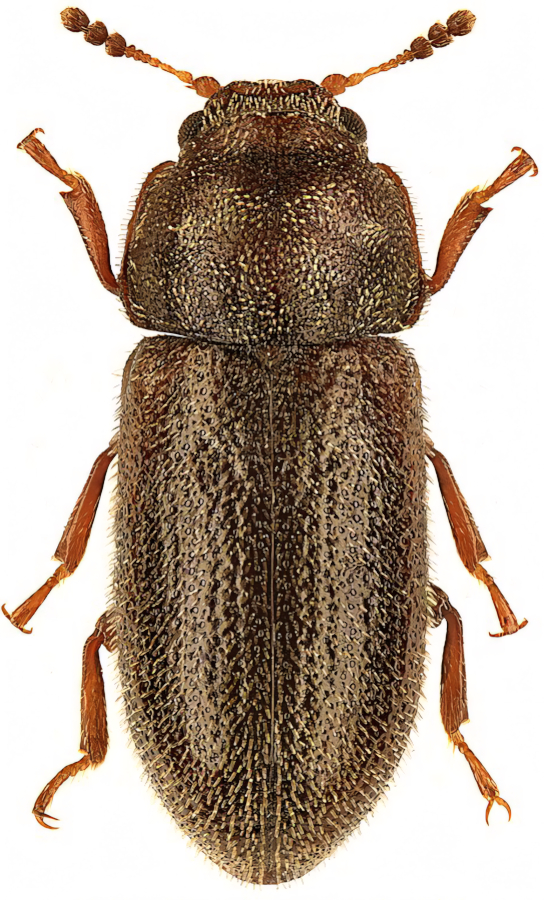
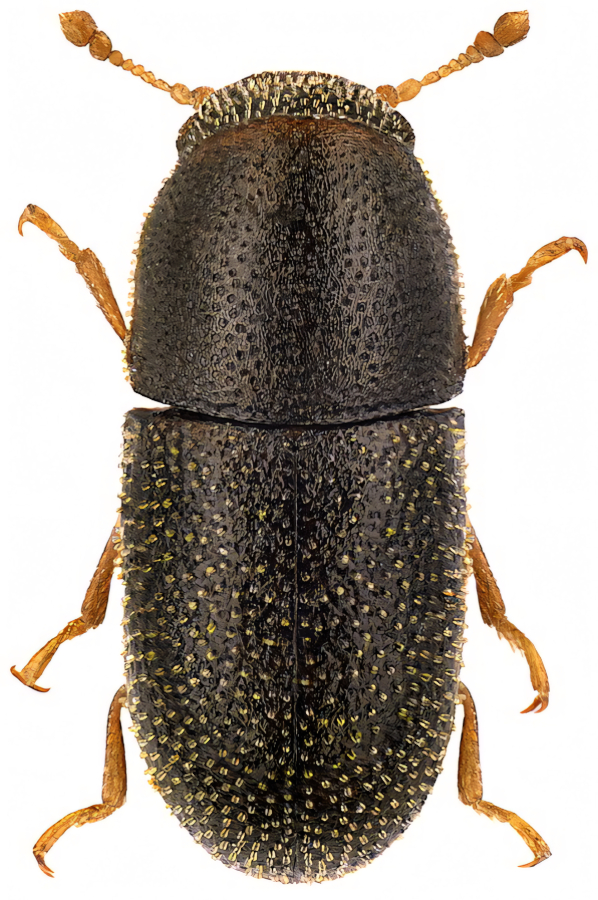
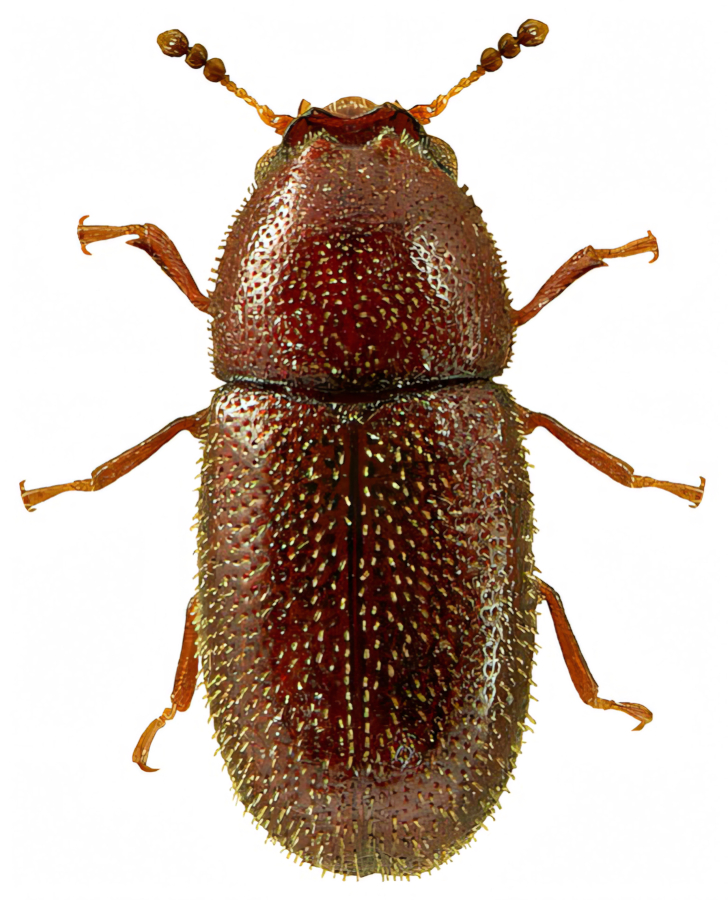
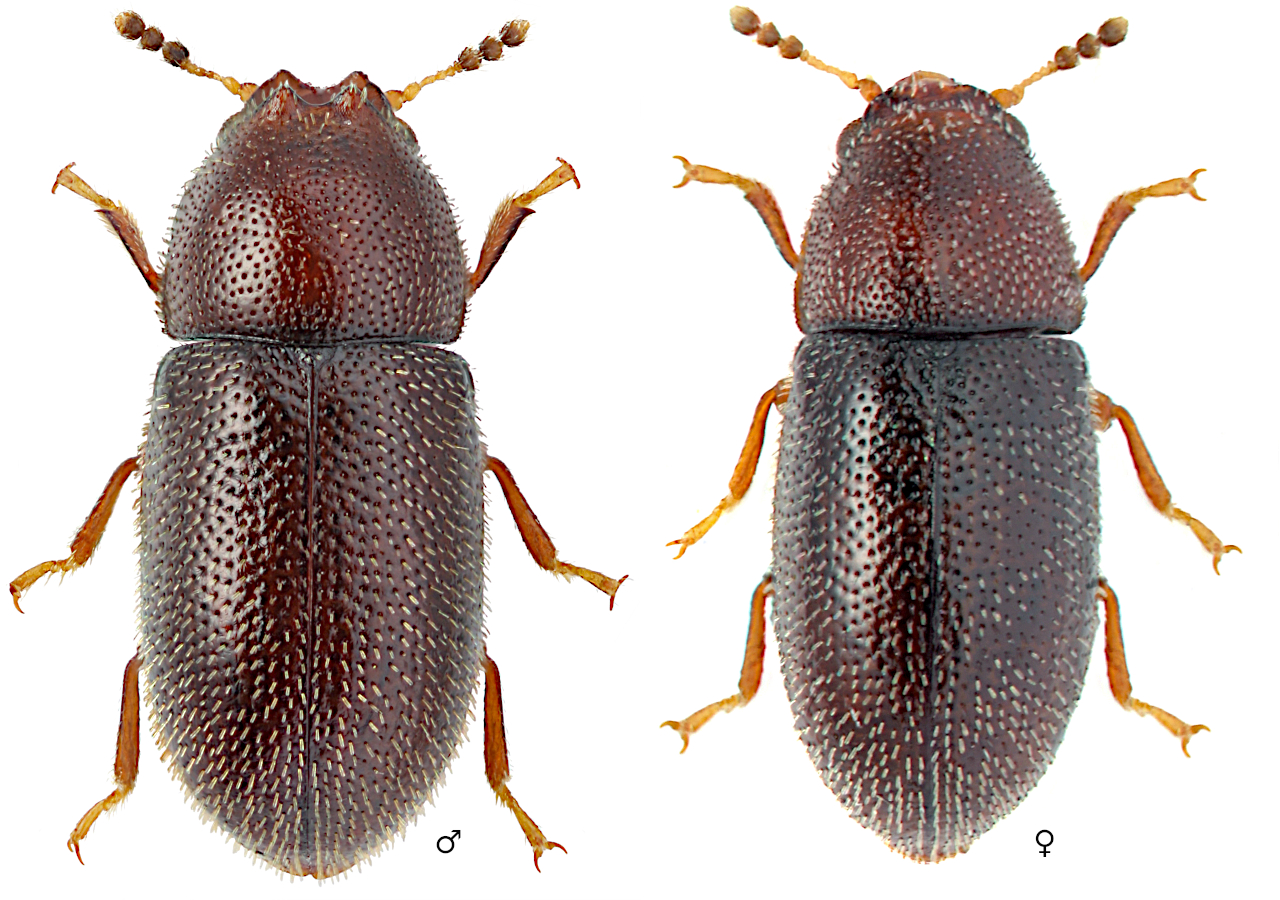
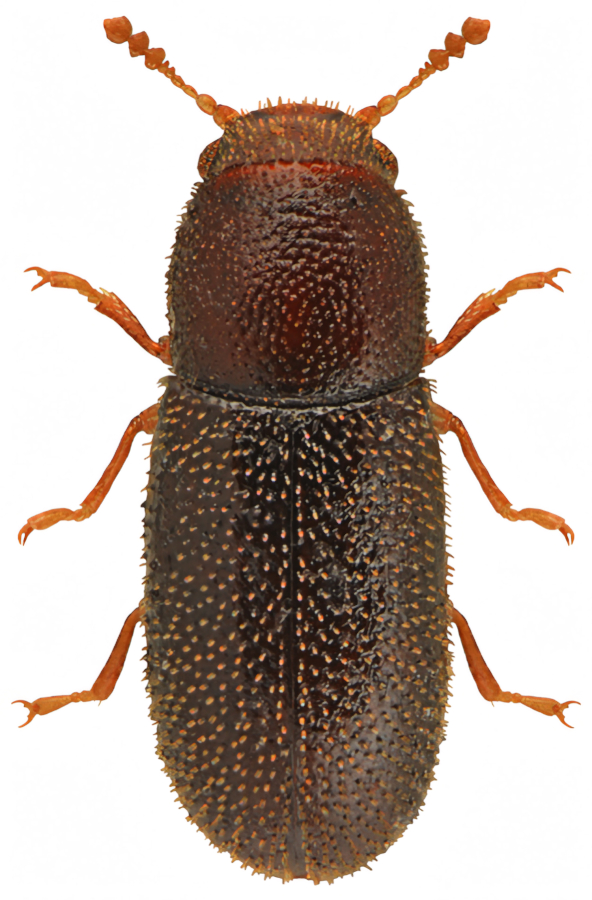
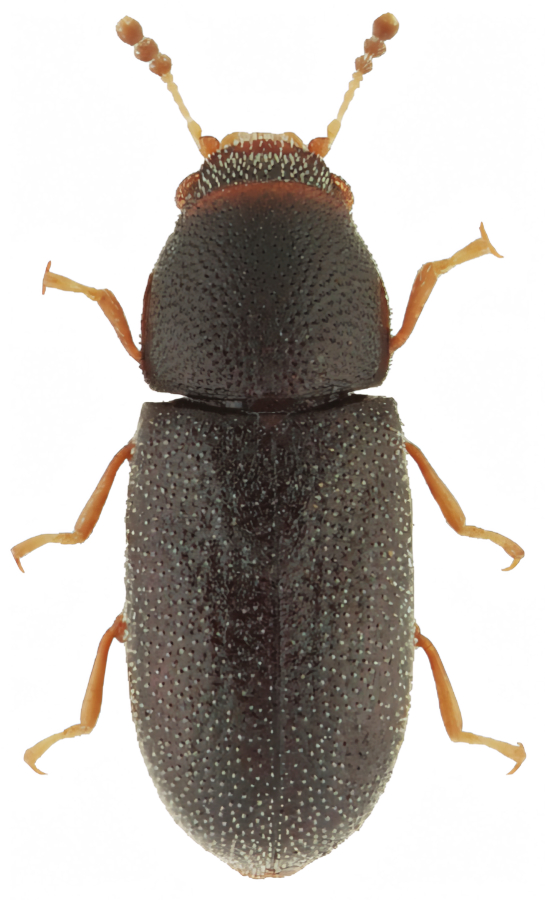
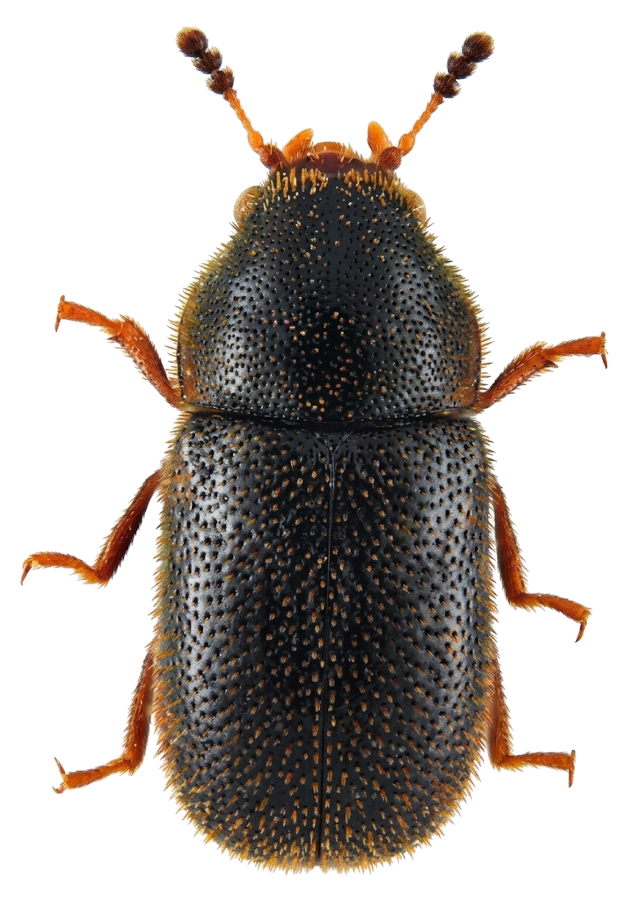
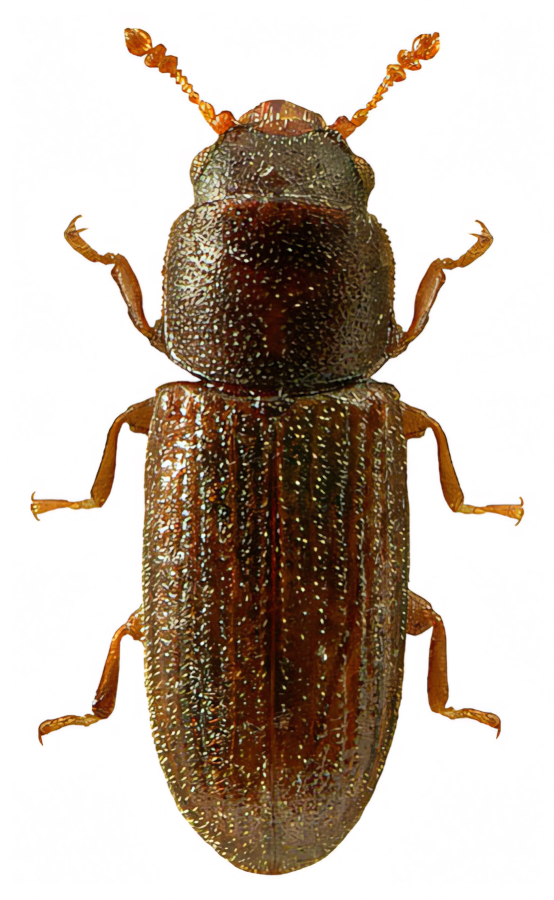
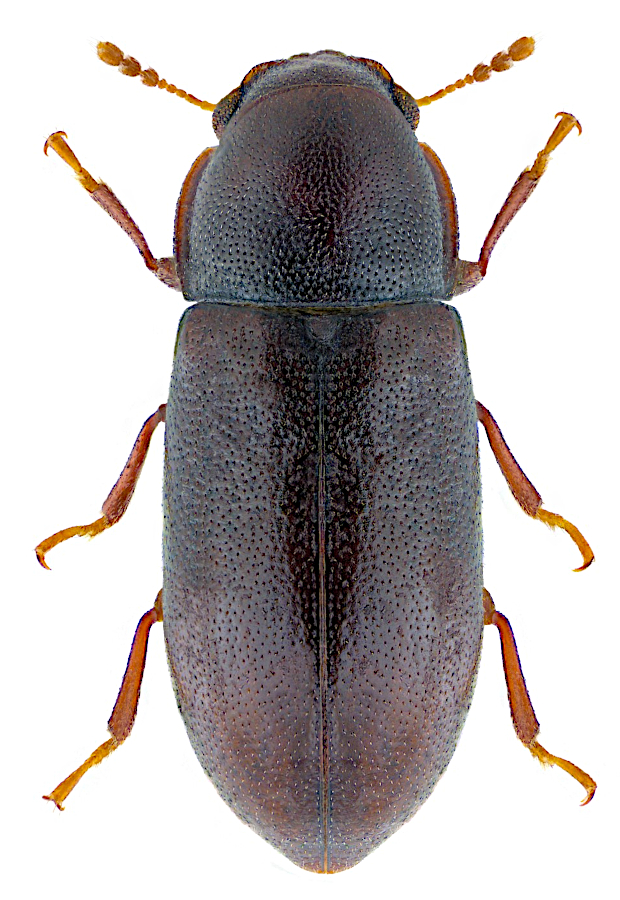
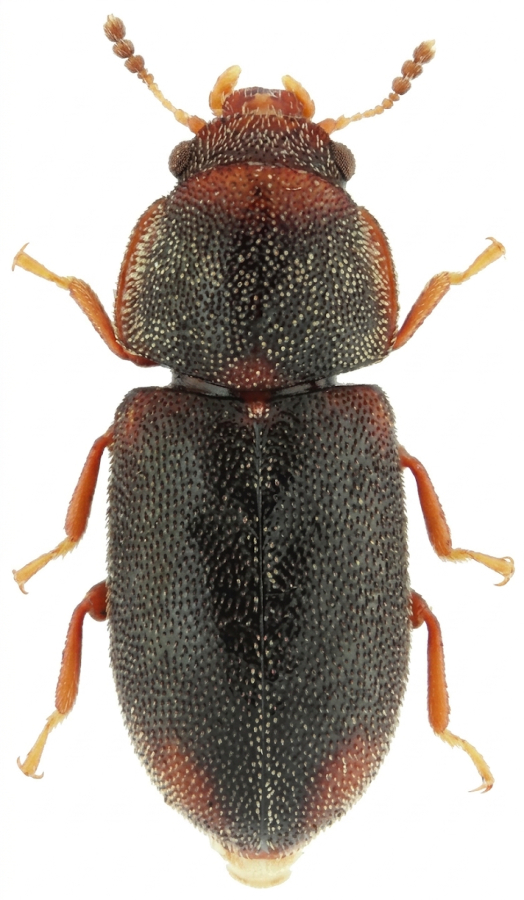
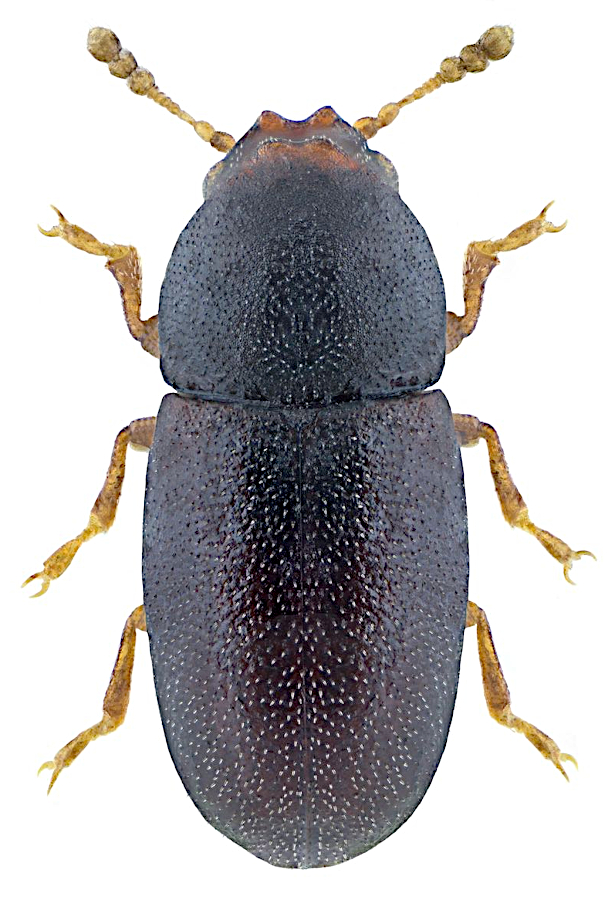
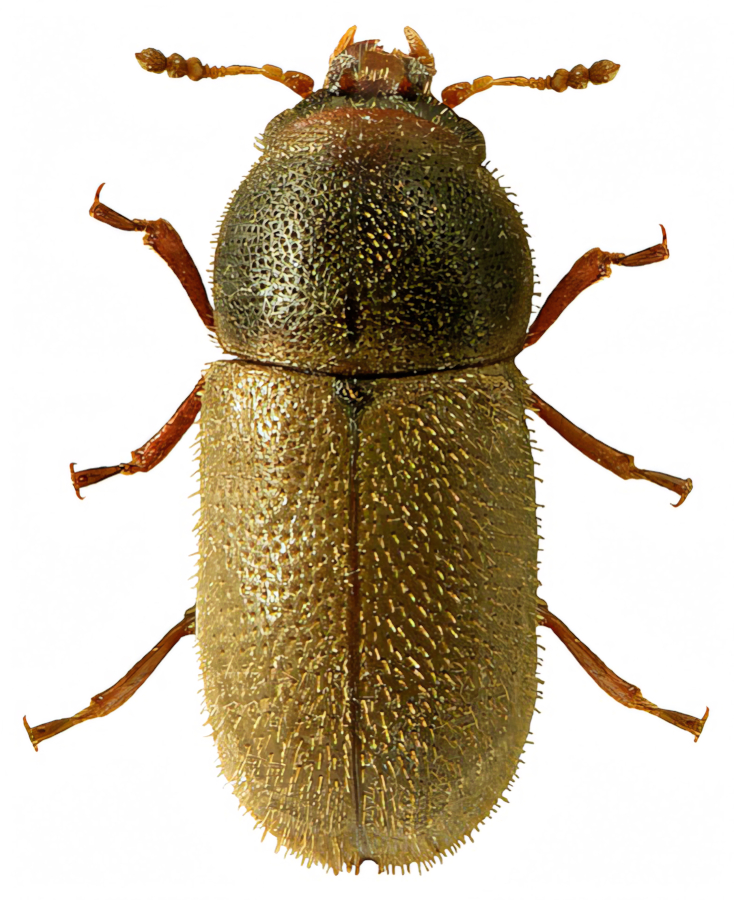
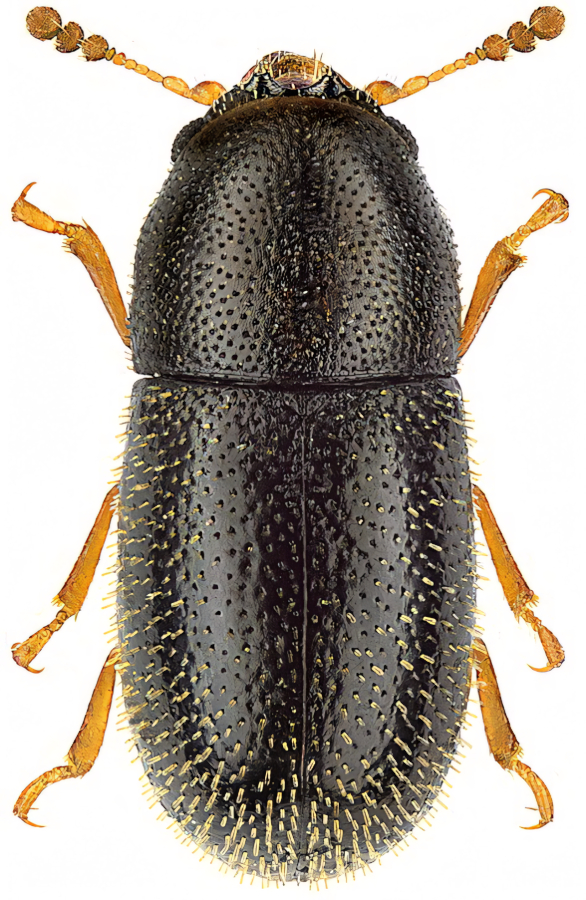
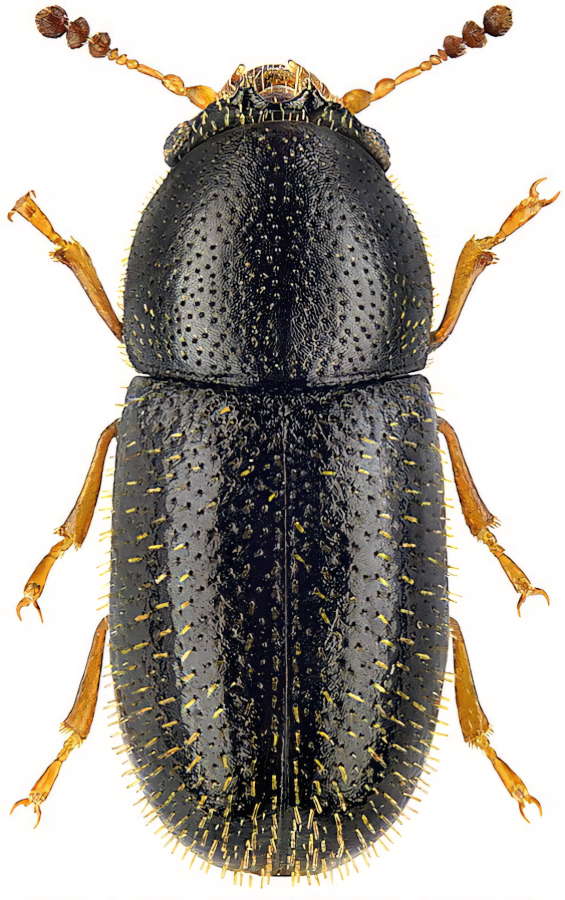
The family Ciidae comprises a large group of tiny beetles specialised in living within wood-decaying fungi. Their bodies are usually short, cylindrical to oval in shape, strongly arched, most commonly brown to black in colour, and often covered with fine or conspicuous hairs. Typical features include short antennae comprising 8–10 segments with a two- to three-segmented club and four-segmented tarsae. In many species, the males have developed conspicuous sexual characteristics – teeth, bumps or horny projections on the head or pronotum, and distinctive plates on the first abdominal segment. Both adults and larvae inhabit the fruiting bodies of polypores and other fungi growing on decaying or dead wood, in which they bore tunnels and feed on fungal tissue – they are therefore true mycetobionts, that is, organisms dependent on fungi throughout their entire life cycle. These tiny creatures are found all over the world, from lowland floodplain forests to mountain spruce forests. For humans, members of this family are of indirect importance as wood decomposers and contributors to the nutrient cycle in forest ecosystems.
Number of Species:
| World | 780 | |
| Palaearctic Region | 211 |
| Europe | 83 | |
| Central Europe | 53 |
 |
Family Card |
CIIDAE (Leach, 1819) |
Ciinae (Leach, 1819) |
Ciini (Leach, 1819) |







Orophiini (C.G. Thomson, 1863) |