The Family Atlas |
| Processing Status: | ||
| 30 / 30 | 100% | |
| Size of Species: 2 - 18 mm |
| Tarsal Formula: 5-5-4 |
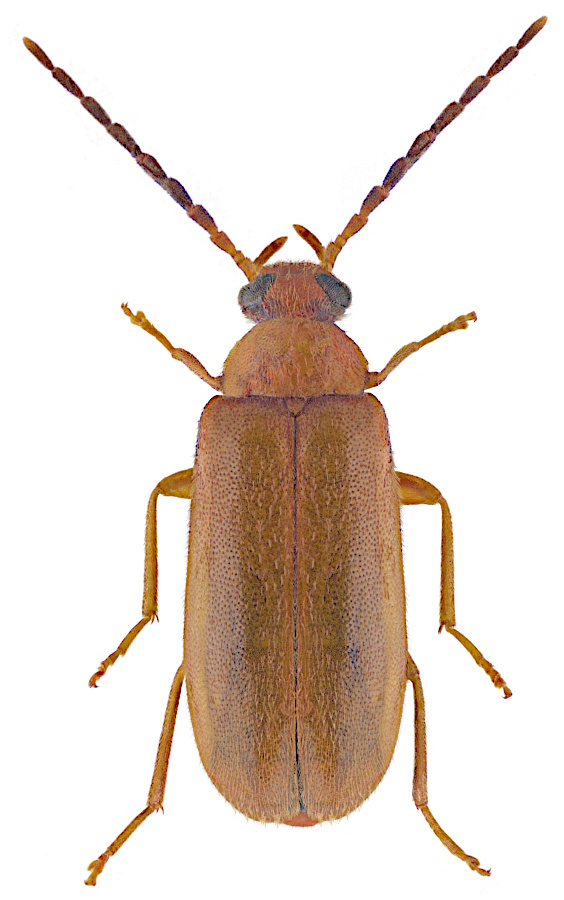
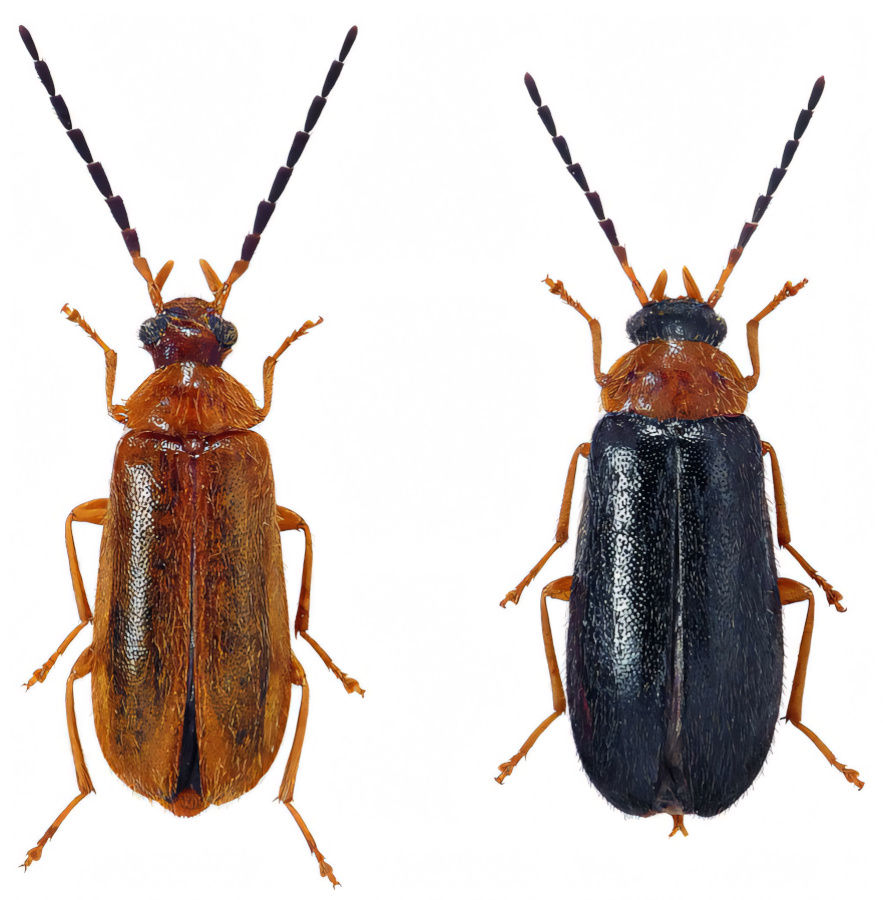
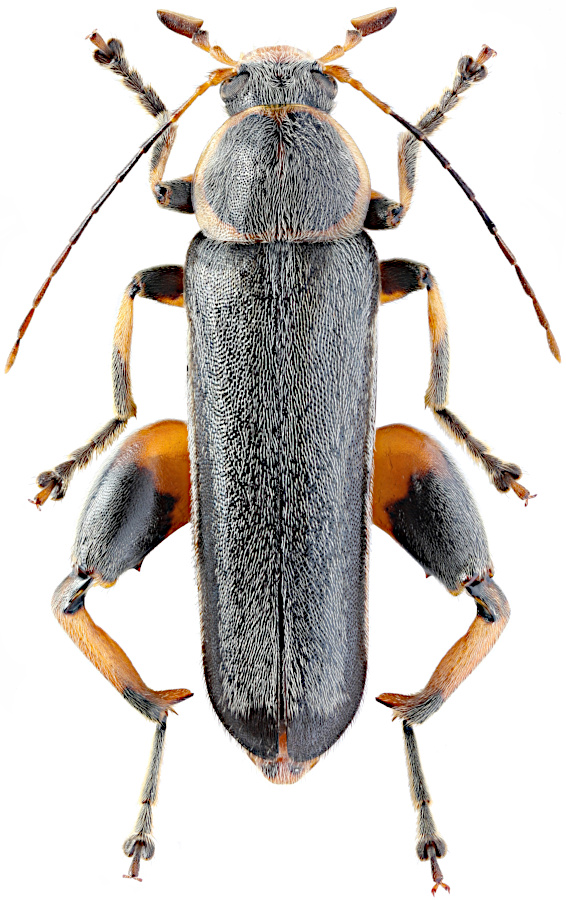
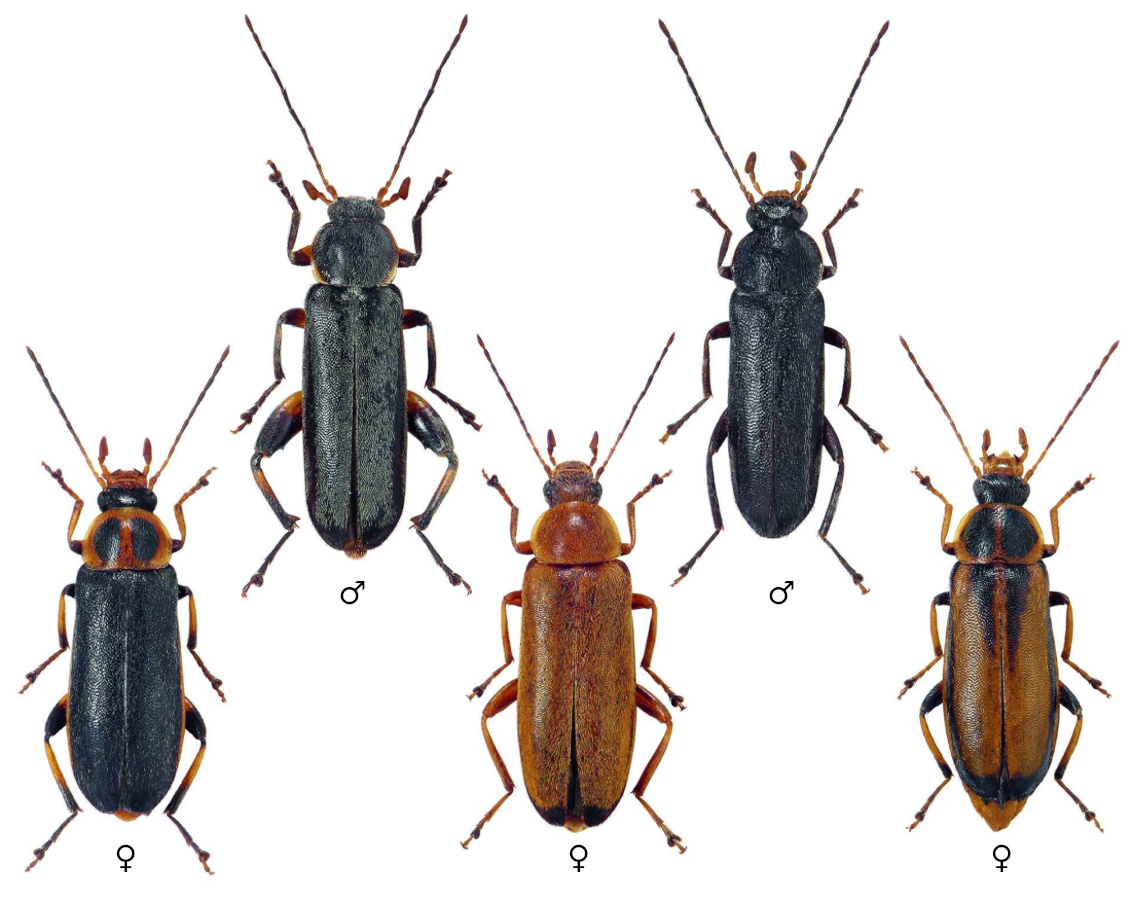
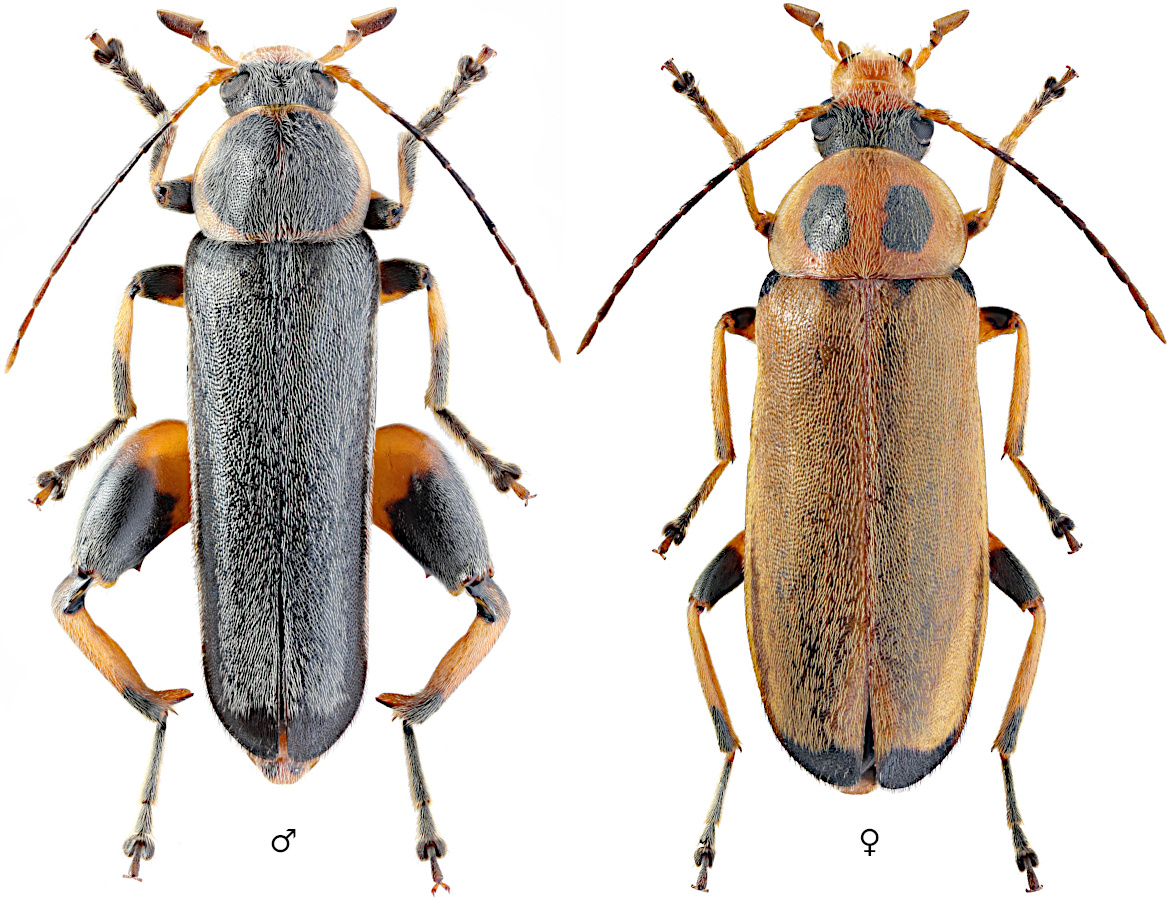
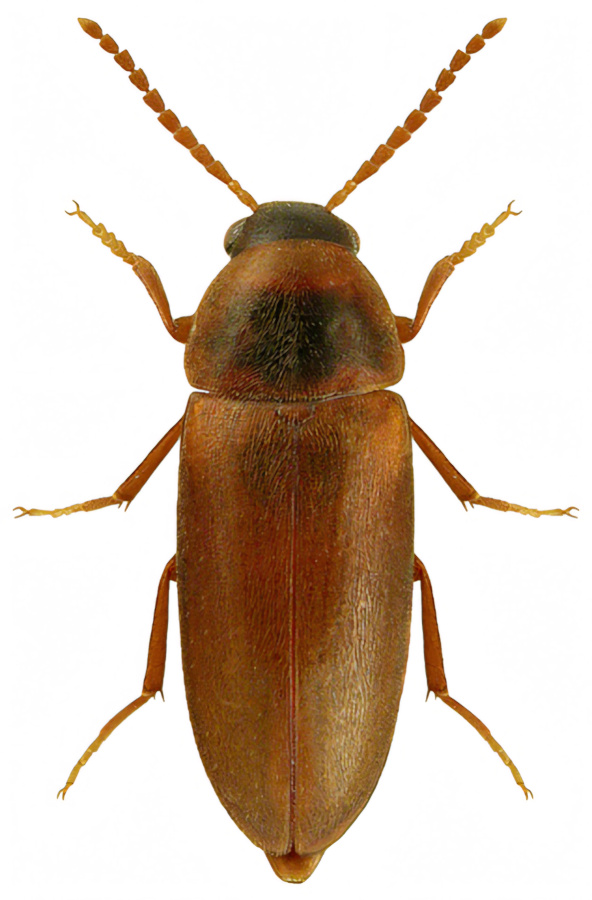
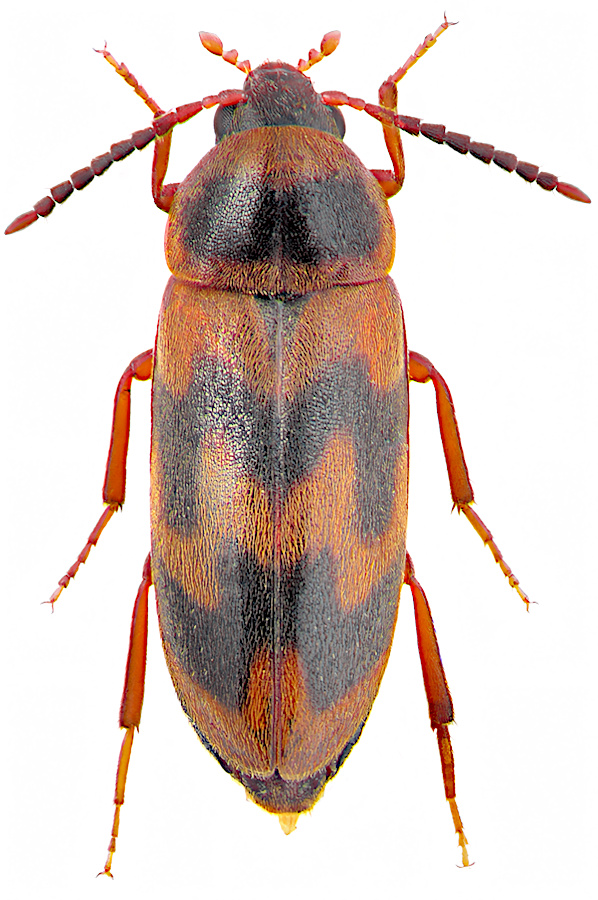
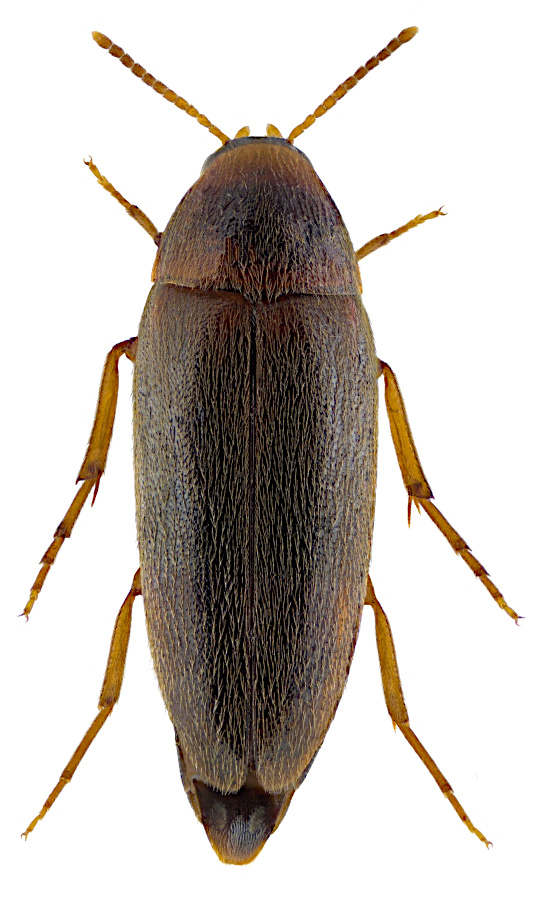
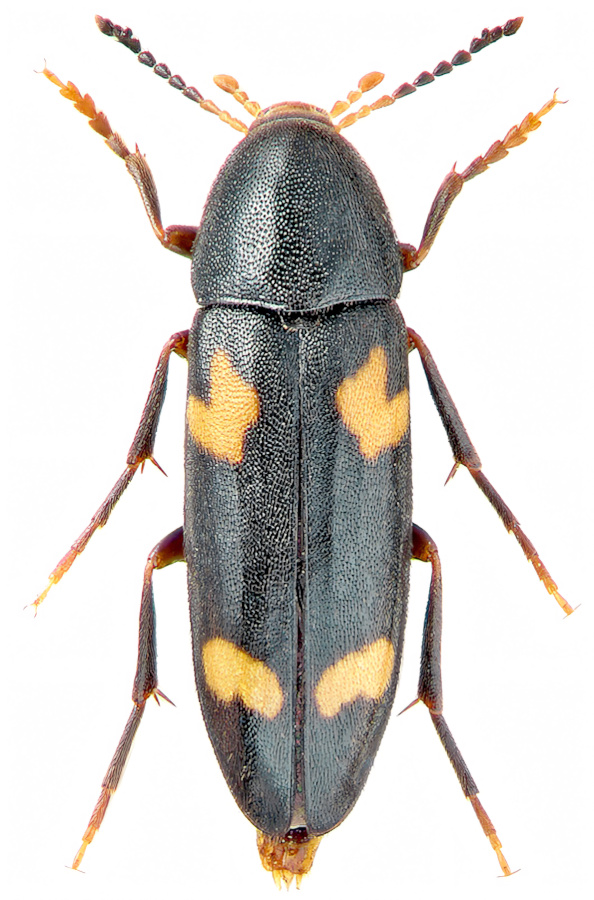
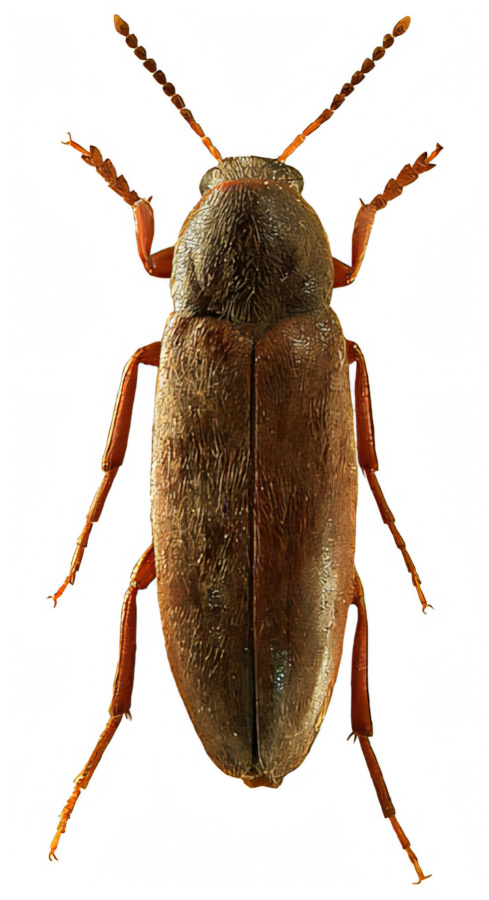
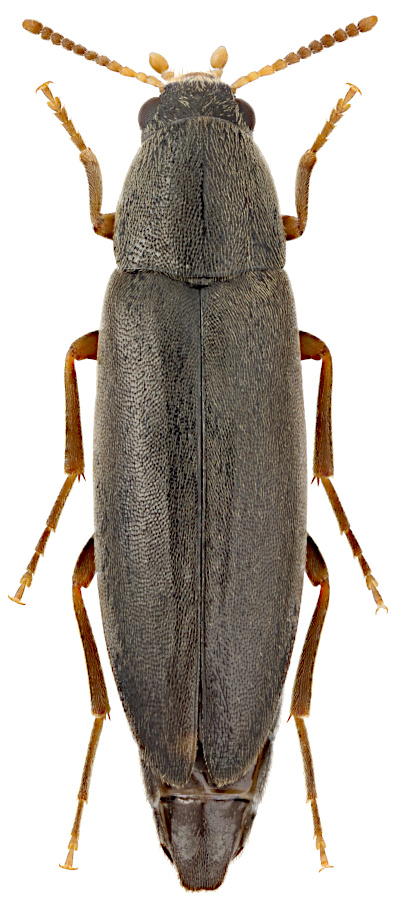
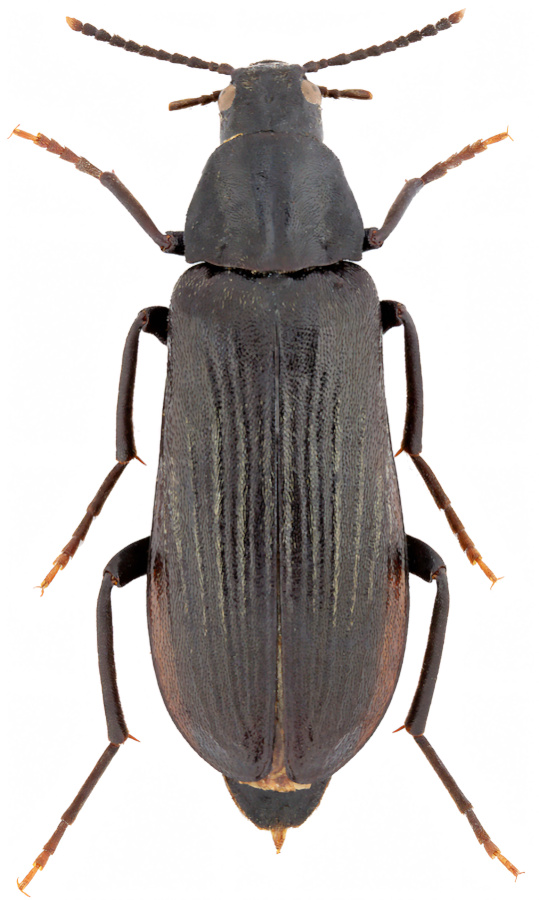
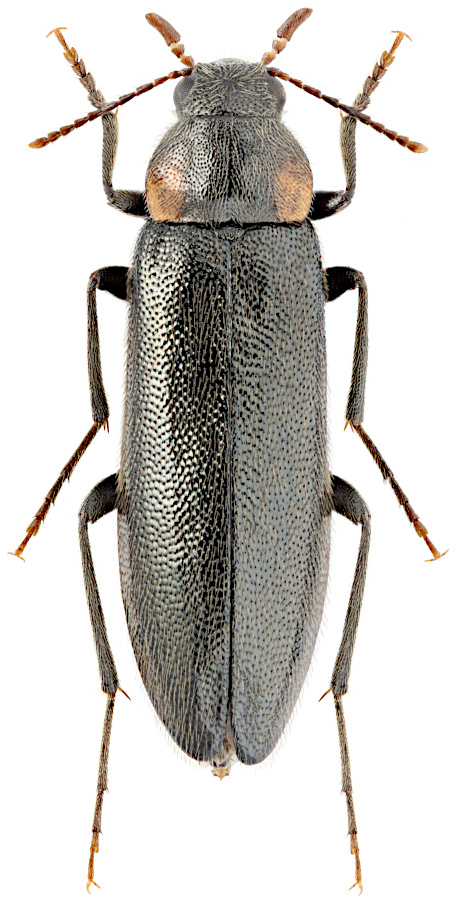
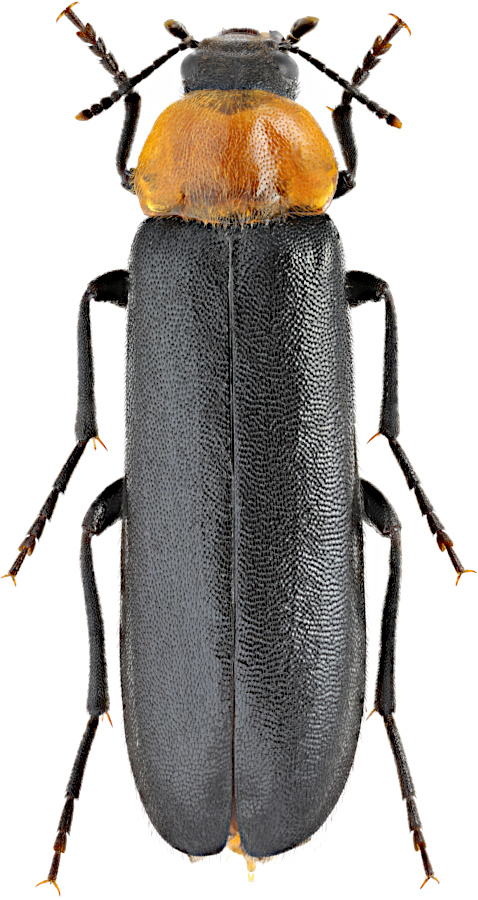
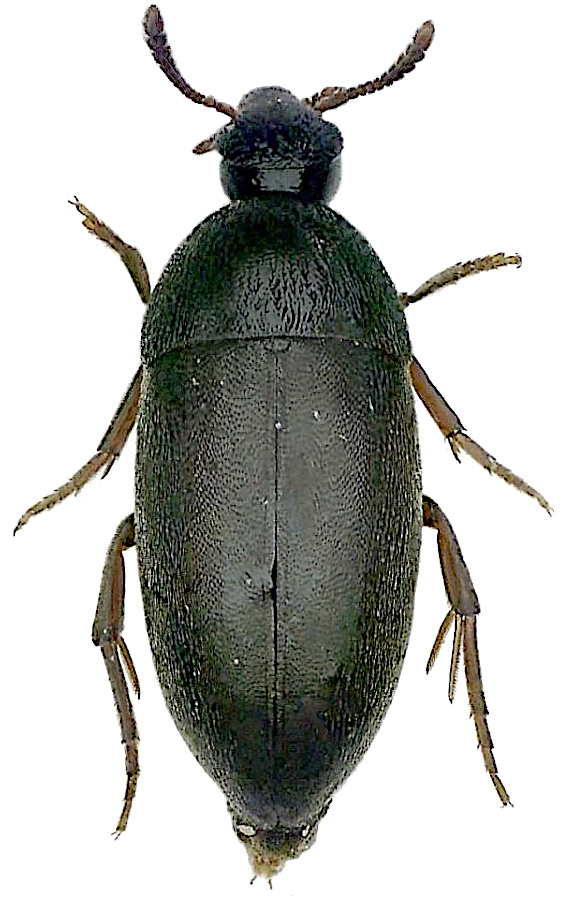
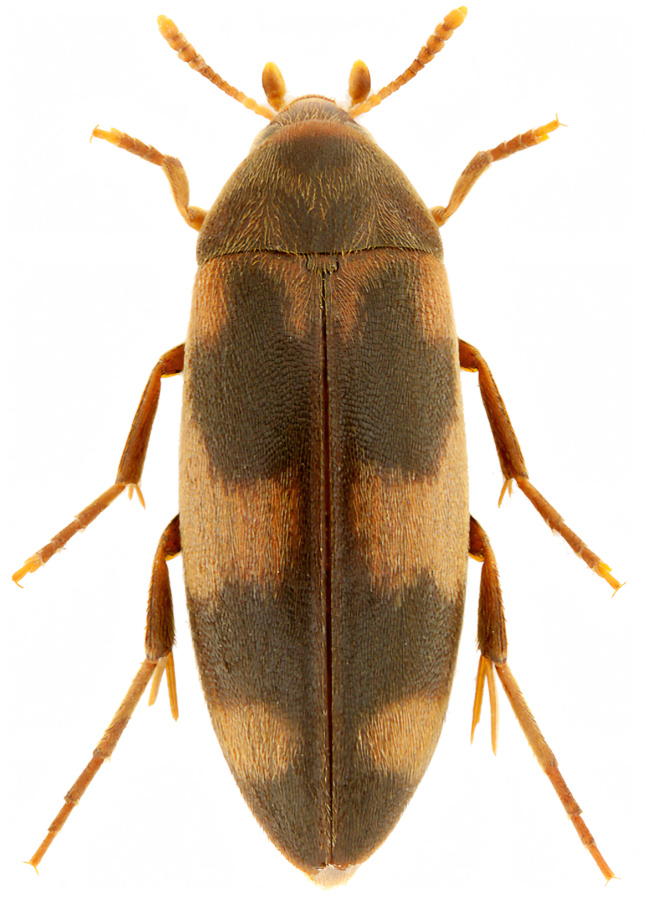
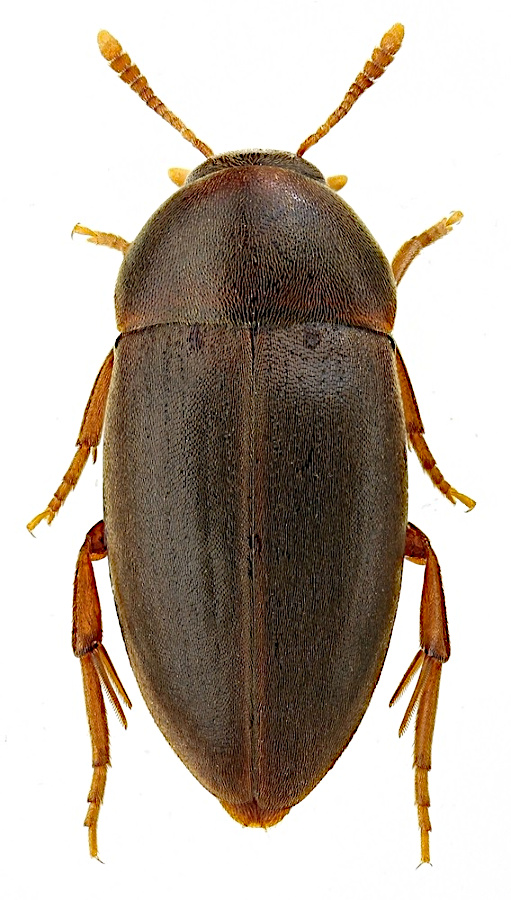
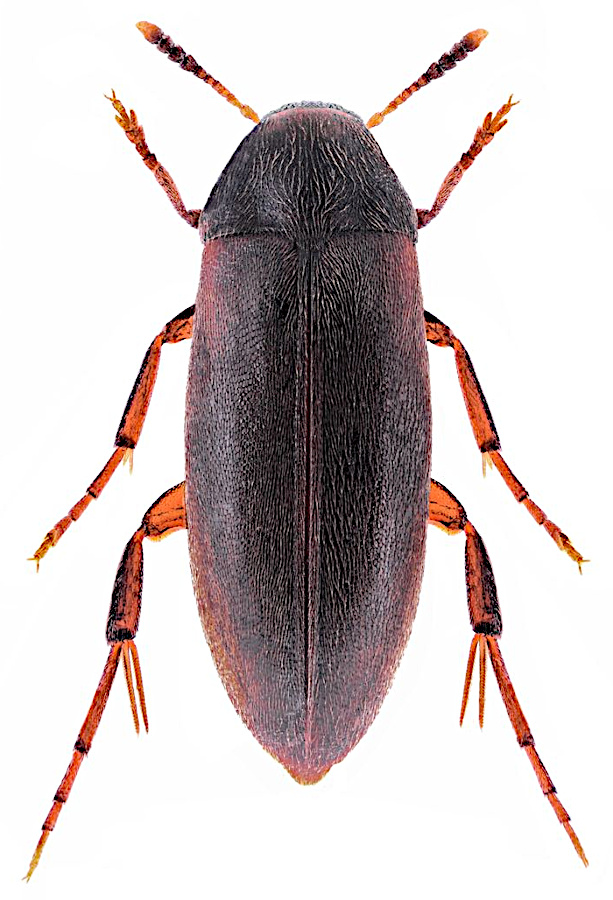
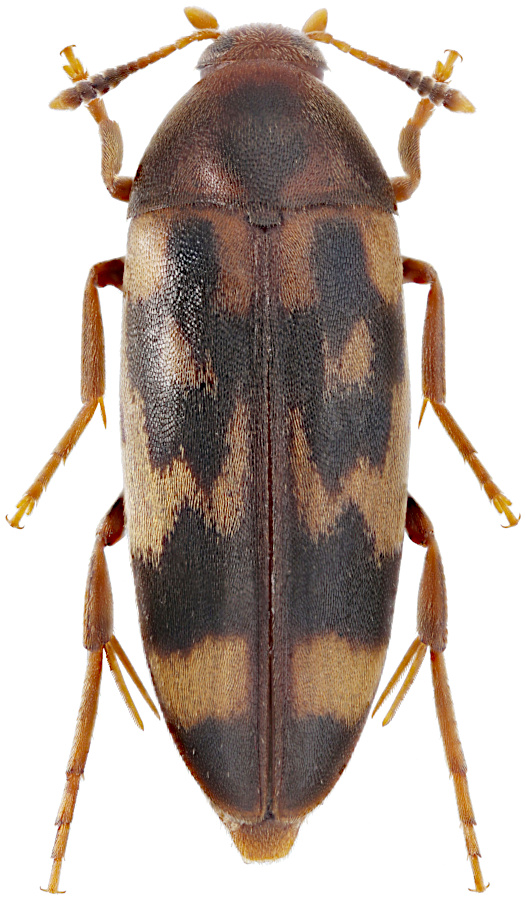
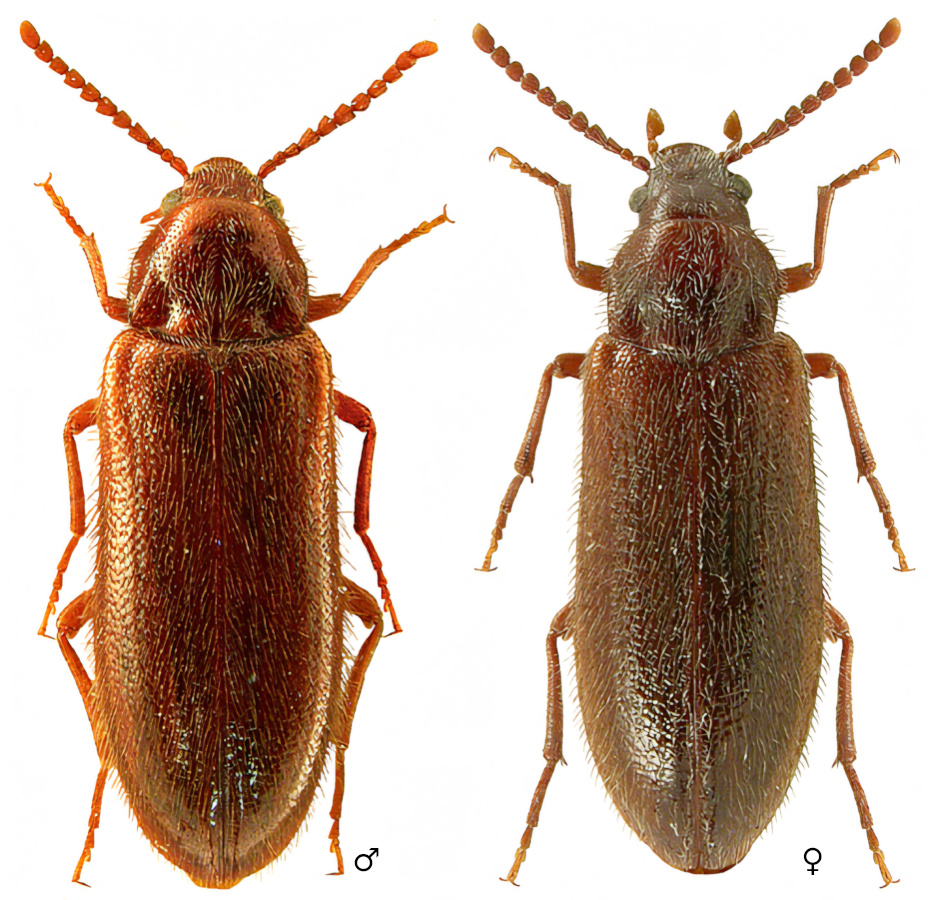
The Melandryidae are a small to medium-sized family of beetles within the superfamily Tenebrionoidea, whose members are a typical component of saproxylic insect communities. Most species are closely associated with decaying and dead wood, particularly wood infested with fungal mycelium, as well as wood-decaying fungi, rotten wood and spaces beneath loose bark. Whilst the larvae develop in decaying wood or fungal fruiting bodies, the adults live under the bark of old trees, on branches overgrown with fungi and sometimes even on flowers. The beetles have an elongated to oval-elongated, slender body, which may be parallel-sided or taper towards the rear end. They are usually brown, black or reddish-brown in colour, though some species have contrasting patterns with yellow, red or orange spots on their elytra. They are predominantly forest species found in both deciduous and mixed forests, associated with old trees, stumps and damp habitats where fungi are present. Many species are active at dusk or at night, so even relatively widespread members of the family often go unnoticed. The family is significant primarily as an indicator of the preservation of old-growth forests and the continuity of deadwood.
Number of Species:
| World | 420 | |
| Palaearctic Region | 197 |
| Europe | 58 | |
| Central Europe | 38 |
 |
Family Card |
MELANDRYIDAE (Leach, 1815) |
Melandryinae (Leach, 1815) |
Dircaeini (Kirby, 1837) |







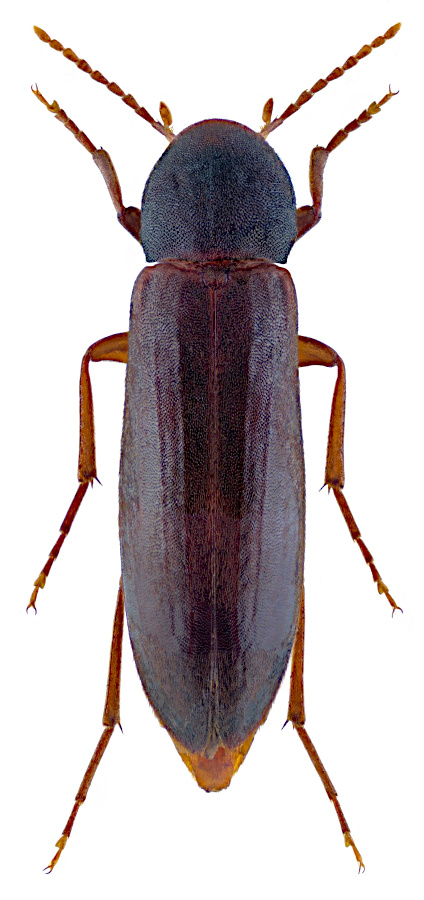
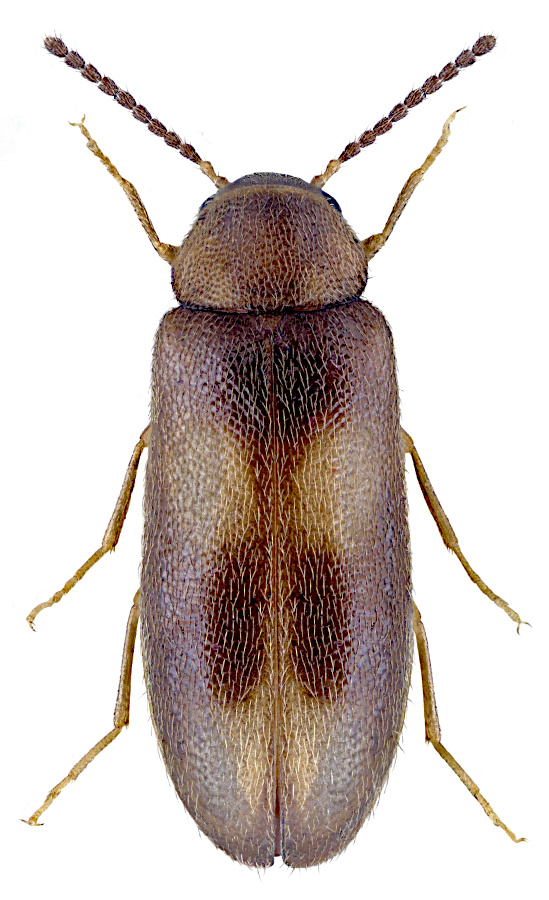
Hypulini (Gistel, 1848) |
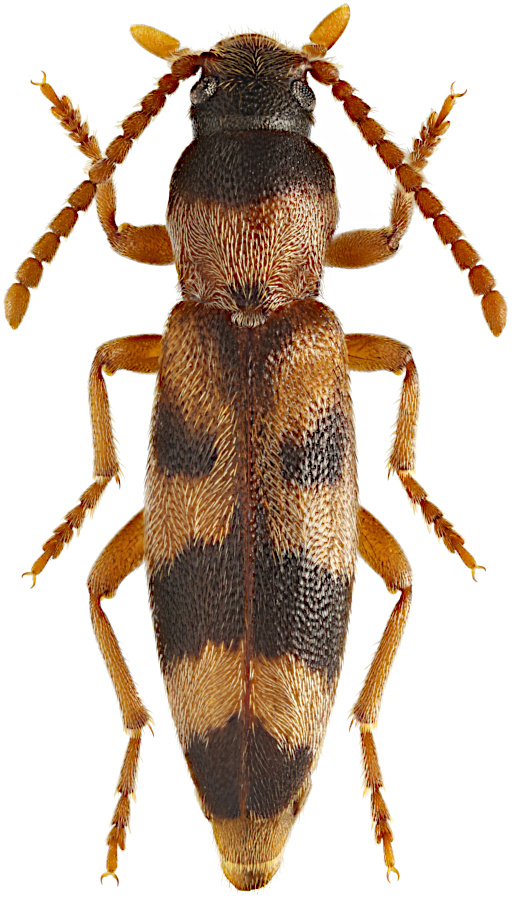
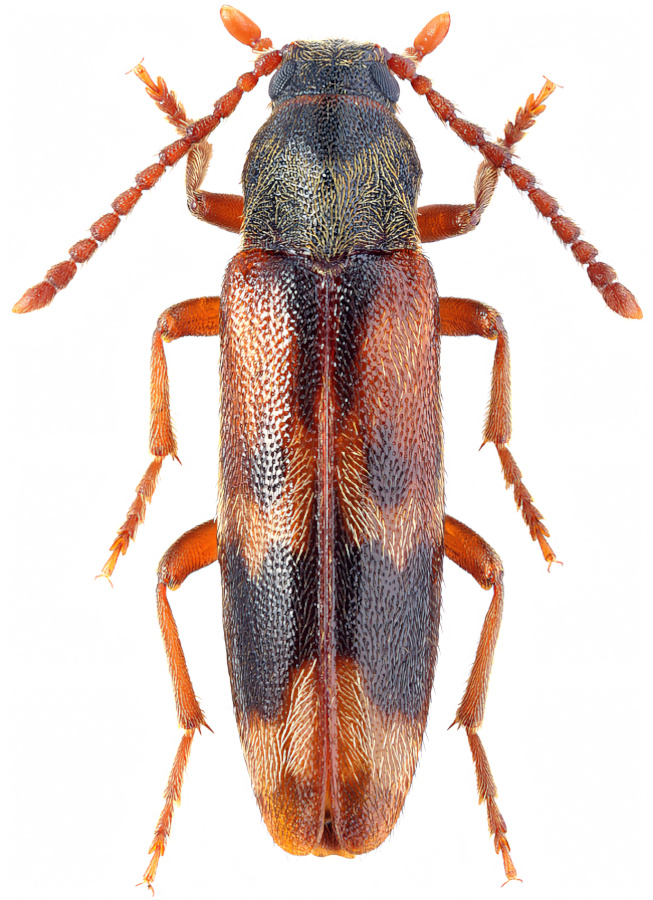
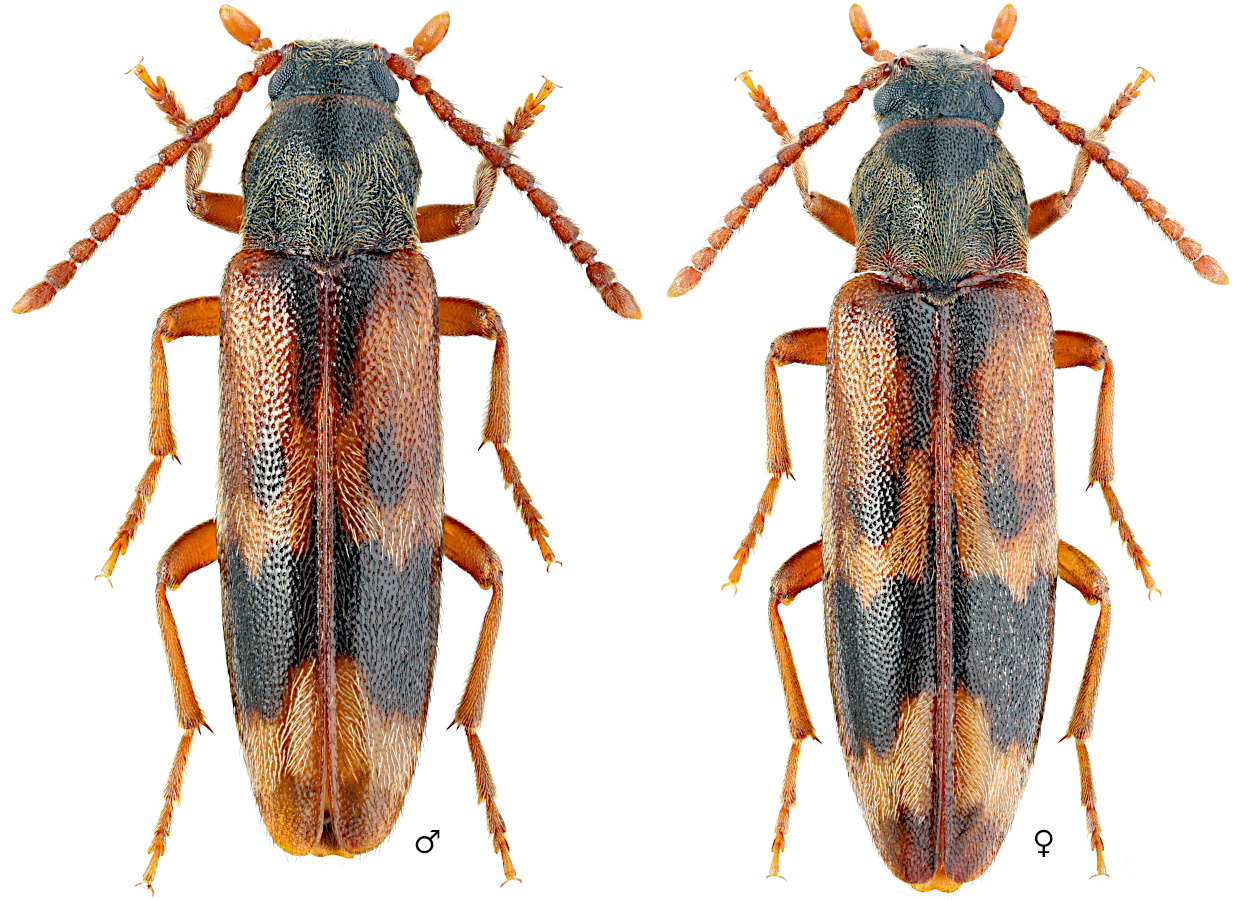
Melandryini (Leach, 1815) |
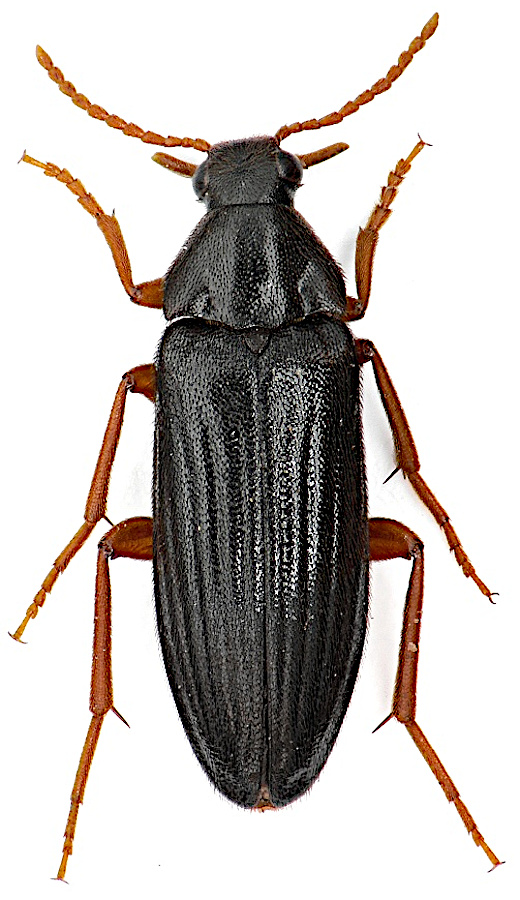
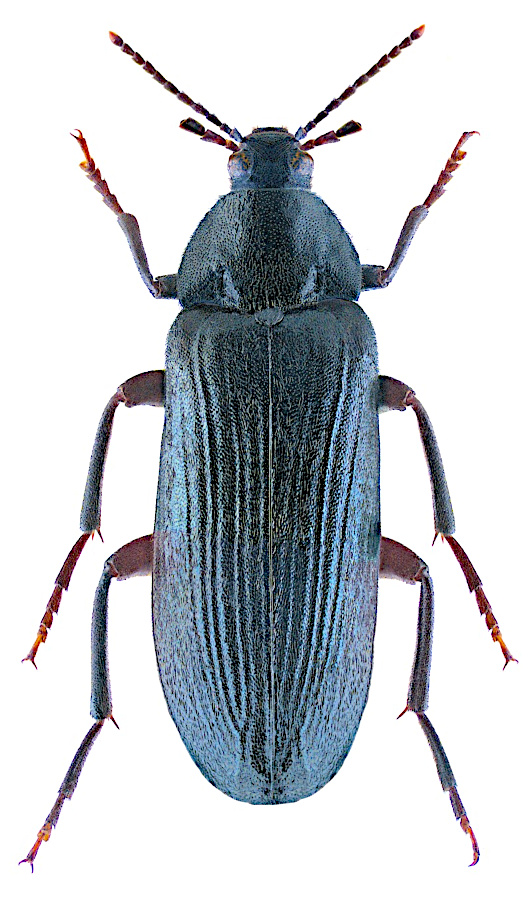
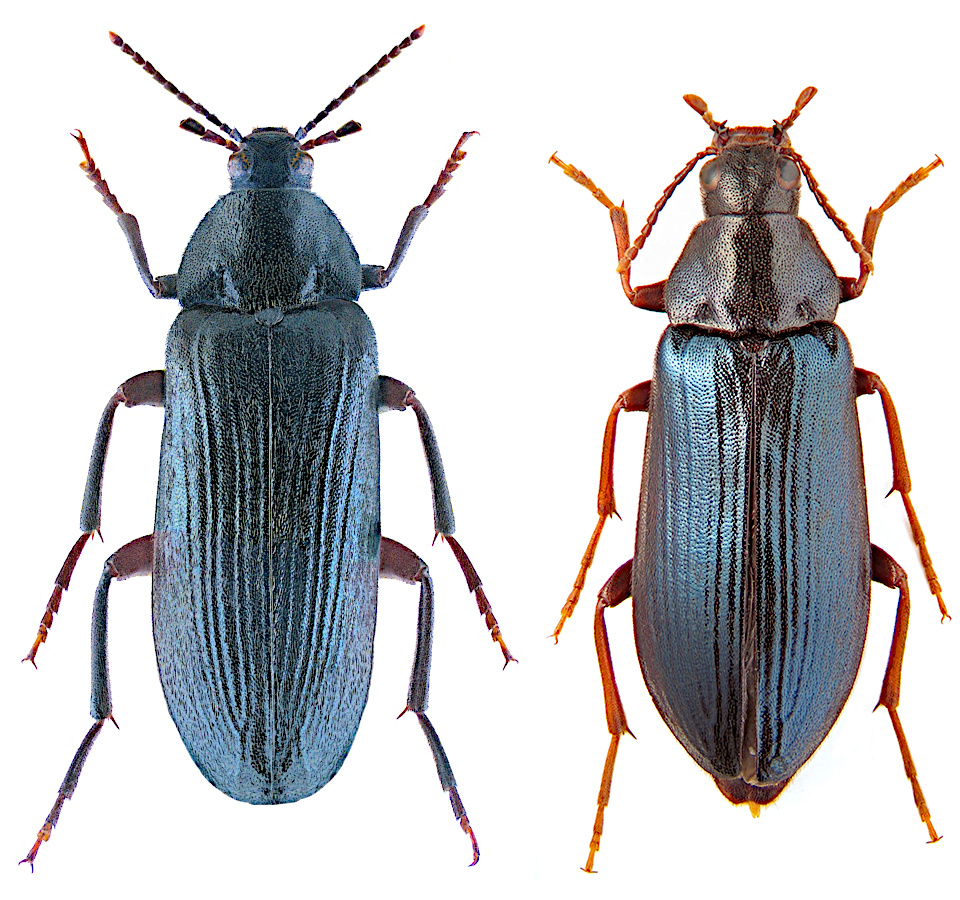
Orchesiini (Mulsant, 1856) |

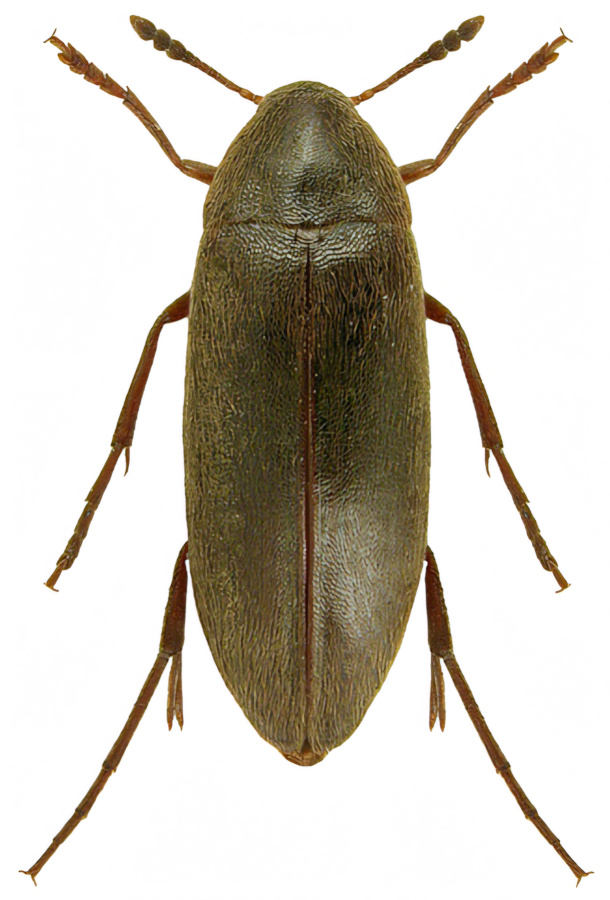
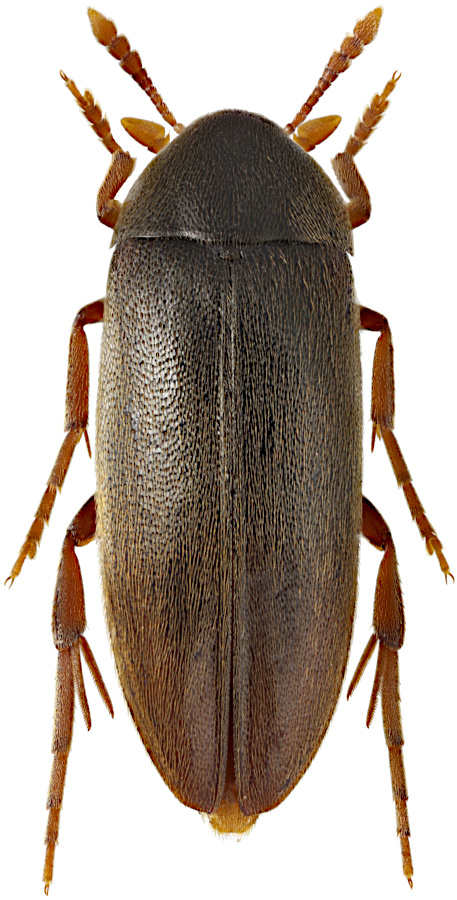
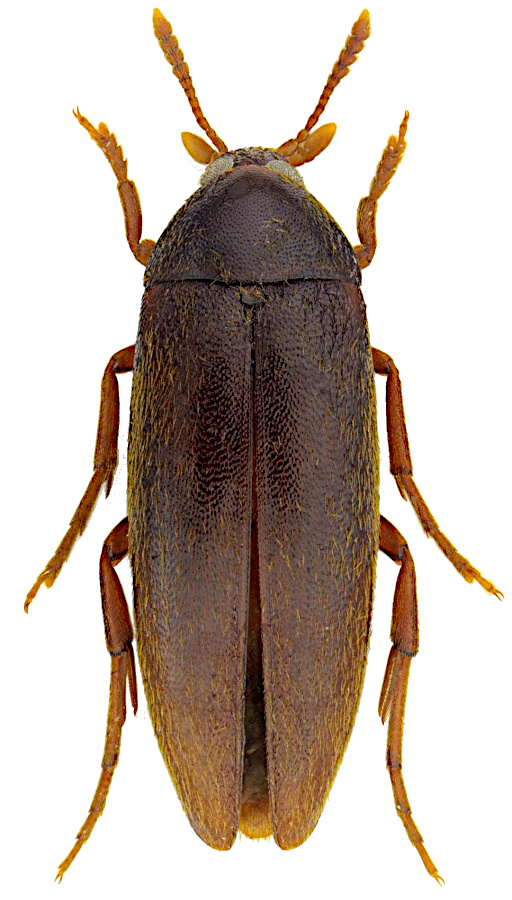
Serropalpini (Latreille, 1829) |
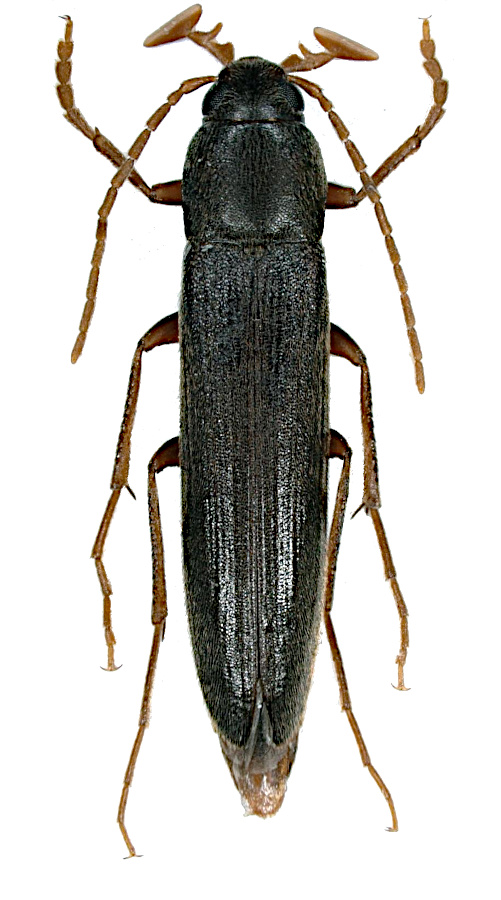
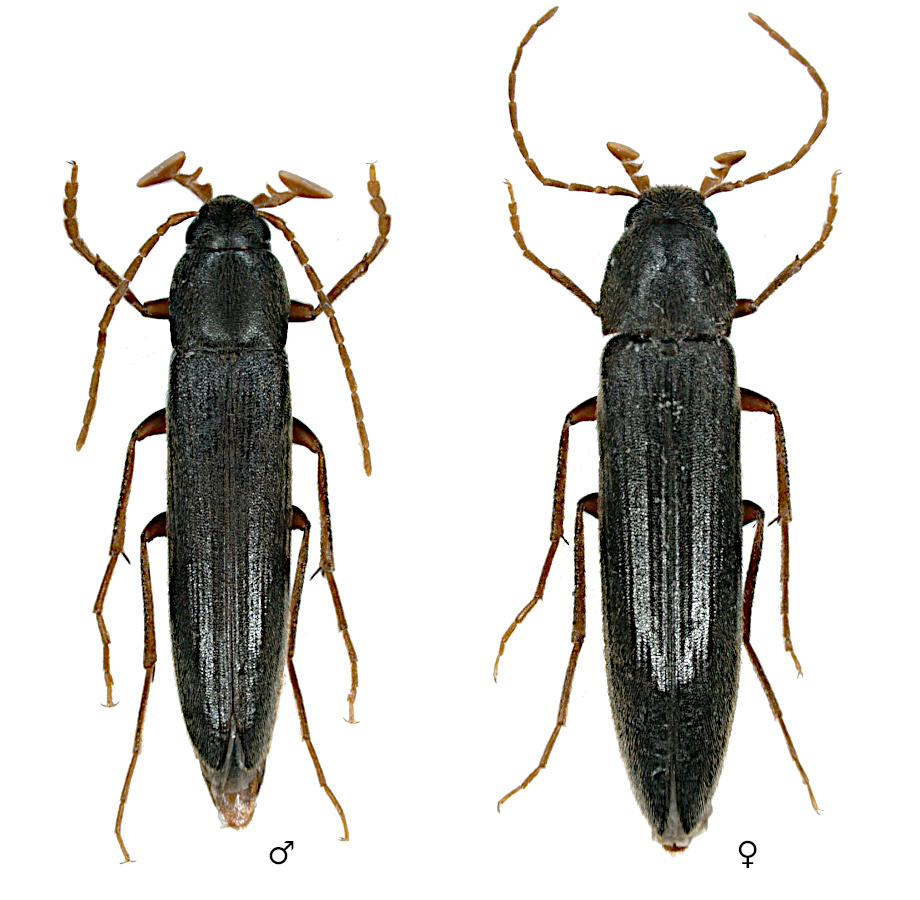
Xylitini (C.G. Thomson, 1864) |
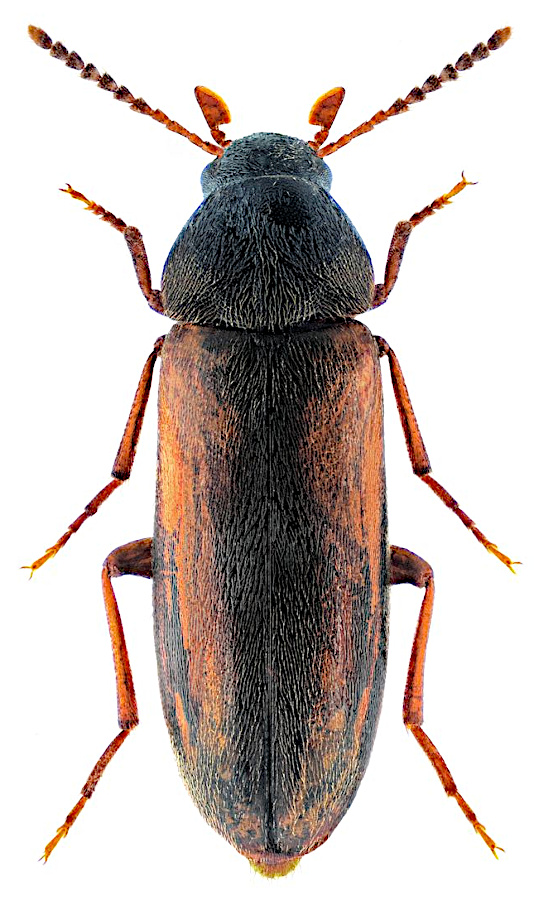
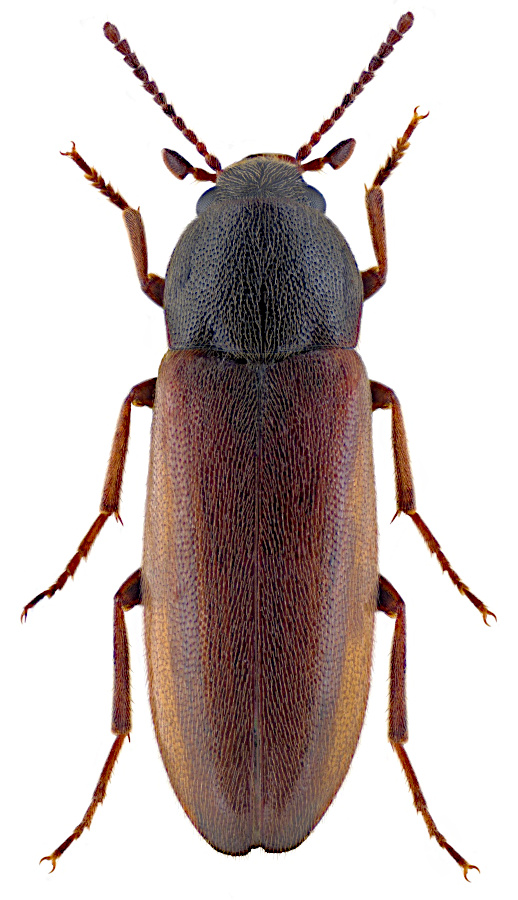
Zilorini (Desbrochers des Loges, 1900) |
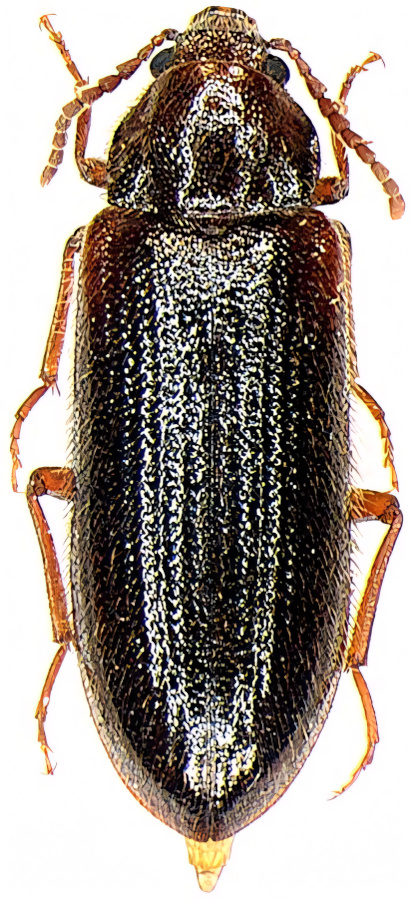
Osphyinae (Mulsant, 1856 (1839)) |